
Reviewed · MUNICH HISTORY TOURS
Munich’s 500 Years of Architecture Guided Tour
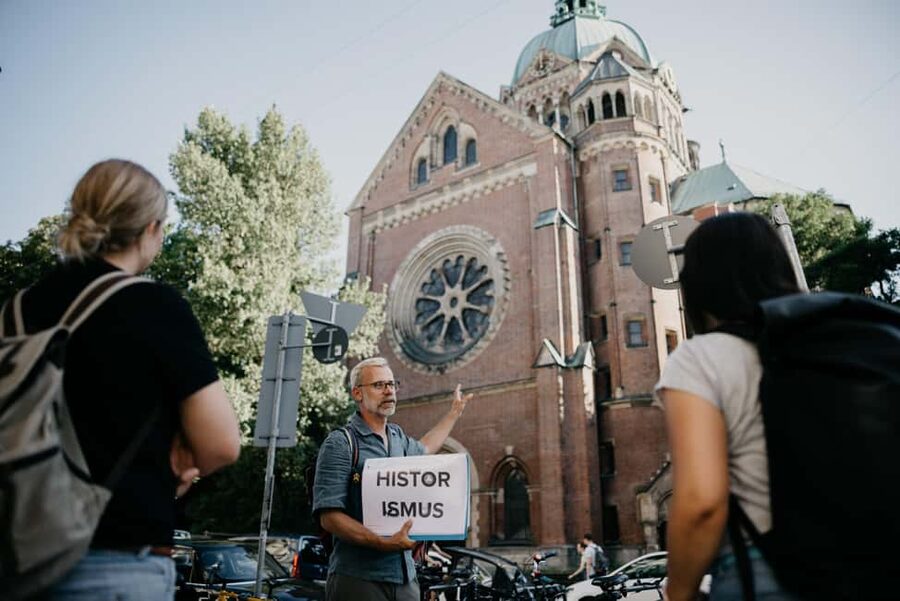
Munich’s story comes into focus when you follow its buildings in time order. Philipp’s tour starts at the late Gothic Frauenkirche, moves through Renaissance, Baroque, Neoclassical, and Historicist design, then heads toward the Isar for Jugendstil, street art, and modern architecture. I especially like the chronological route and the switch from grand Old Town churches to the quieter river district.
I also like that the tour includes up to three impressive interiors, not just outside views, and that Philipp adds royal stories, legends, and darker chapters. The tour’s 5.0 rating from eight published reviews points to a guide who is friendly, engaging, and good at making facts stick. The main drawback is pace: two hours is short for so many stops, and this is not a good fit if you need step-free access or dislike brisk walking.
Key points at a glance
- Five centuries in two hours: See Munich’s architecture progress from late Gothic to modern art.
- A strong guide-led story: Philipp connects churches, royal buildings, legends, and less cheerful chapters.
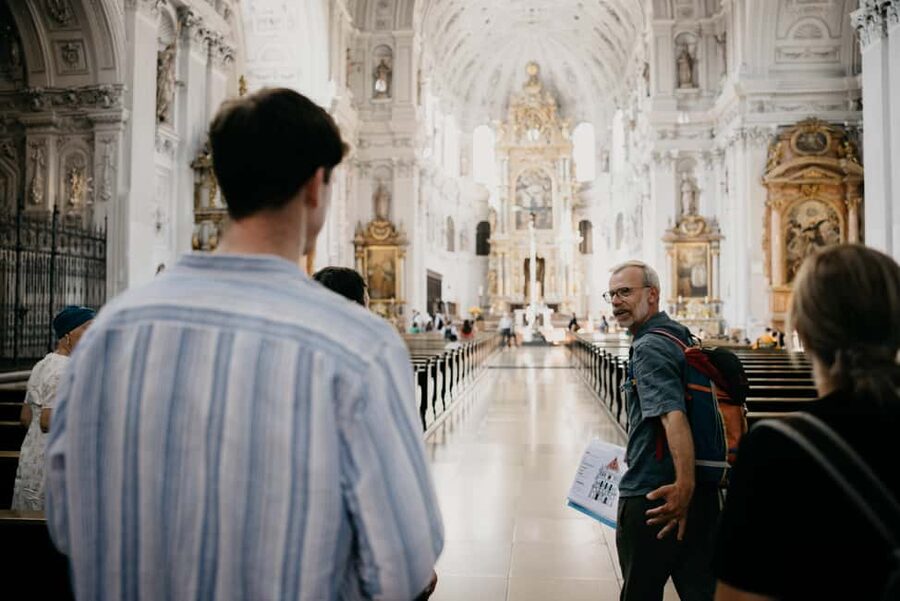
- Several interiors included: You may enter up to three notable buildings, including major churches.
- The route changes character: Old Town monuments give way to the Isar, Art Nouveau, graffiti, and a modern museum.
- Winter markets add local atmosphere: Seasonal stops may include Munich’s medieval Christmas market.
- Plan for walking and cold: Wear sturdy shoes and warm clothing; the tour is not suitable for wheelchair users or people with mobility impairments.
Starting beneath the Frauenkirche’s twin towers
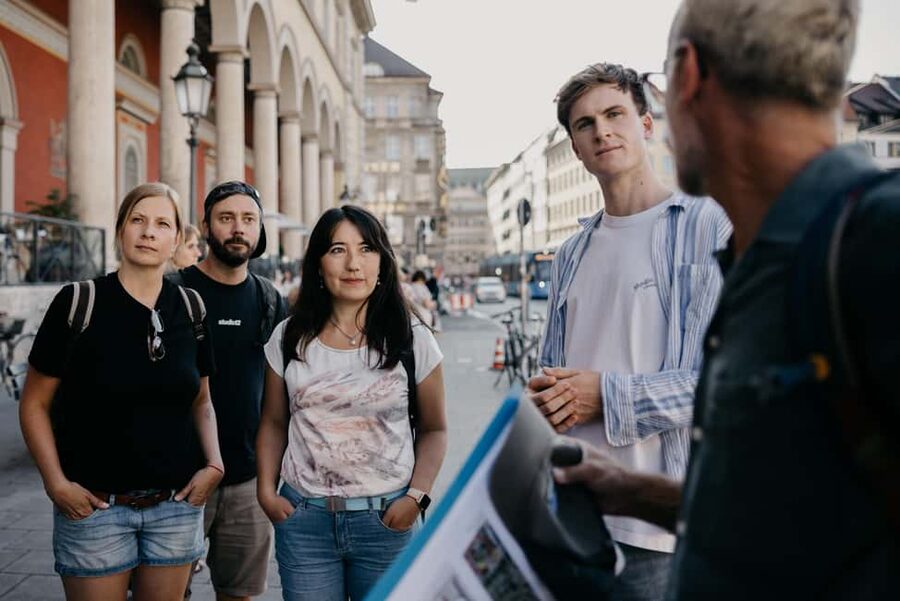
Meet Philipp outside the main entrance of the Frauenkirche at Frauenplatz 1. He is easy to spot, wearing a yellow winter hat and carrying a yellow backpack and a large blue presentation folder. That is useful in a crowded square, especially during the Christmas market season.
The simplest route is the five-minute walk from Marienplatz, served by the S-Bahn and U3 and U6 subway lines. From Munich’s central station, Hauptbahnhof München, allow about 15 minutes on foot.
The tour begins with one of Munich’s most recognizable buildings, the Frauenkirche. Its late 15th-century construction places you at the Gothic end of the time line. This is a smart opening choice because the cathedral gives Philipp a clear starting point for explaining how Munich looked and felt before the later royal avenues, grand churches, and modern districts took shape.
You should expect a guided visit rather than a long architectural lecture. Philipp’s approach, based on the available tour details, mixes design with stories about the people and events connected to each place. That makes the first stop useful even if you already know the cathedral’s outline.
More history tours in Munich:
- Munich 3-Hour Segway Tour: Nazi Munich & Royal Architecture
★ 4.9 · 194 reviews - Munich: Guided Tour of the historic Town Hall on Marienplatz
★ 4.8 · 63 reviews - Munich’s Hidden Architecture Guided Tour
★ 4.9 · 47 reviews
From Gothic Frauenkirche to Renaissance St. Michael’s
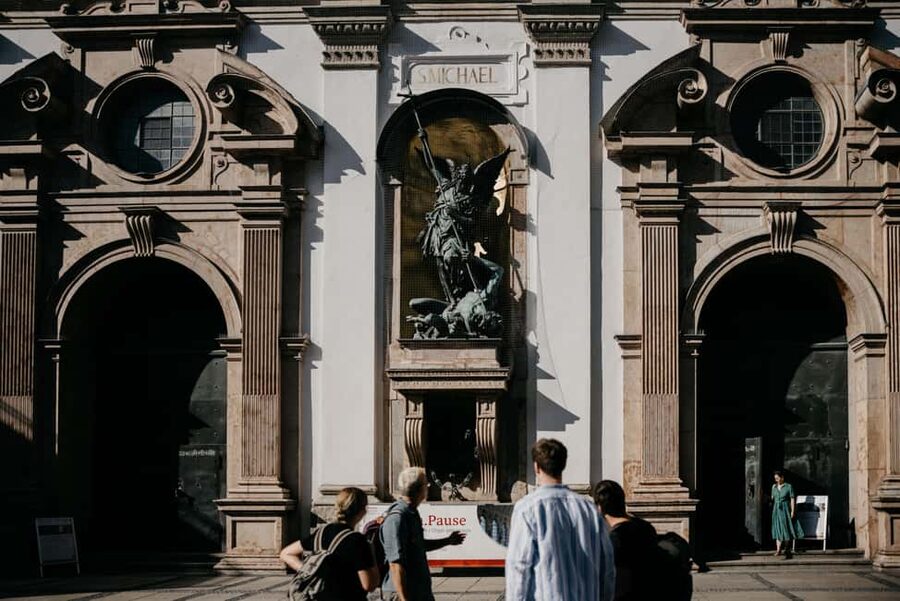
The next major stop is St. Michael’s Church, a key change in style and period. The church represents the Renaissance chapter of the tour and is described as a world-record-holding architectural masterpiece. The exact record is not specified, so I would treat that phrase as a prompt to ask Philipp for the detail rather than a fact to repeat without context.
The value here is the comparison. At the Frauenkirche, you begin with Gothic verticality and medieval forms. At St. Michael’s, you see how Munich adopted Renaissance ideas and reshaped them for Bavarian religious and royal ambitions.
Because the route is chronological, you do not simply collect famous churches. You learn to look for changes between them. That is the tour’s strongest teaching tool. A guide can point out details you might pass without noticing, then tie them to the city’s rulers, religious life, and changing taste.
Trinity Church follows, adding another stop to the religious architecture sequence. The itinerary lists an interior visit, though exact access can depend on opening conditions. This is one reason the promise is phrased as a chance to enter up to three impressive buildings, rather than a guarantee that every interior will be open at every departure.
Baroque drama and royal Munich
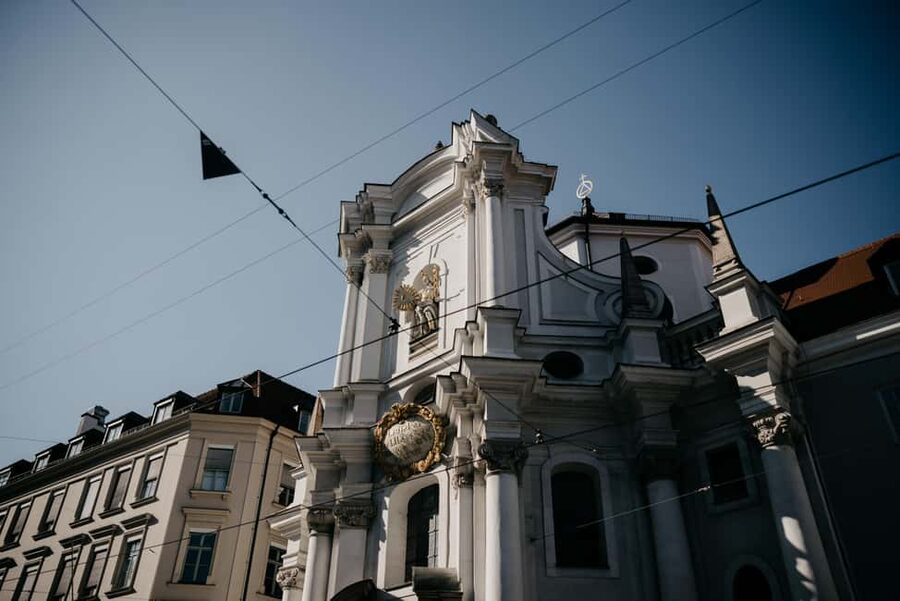
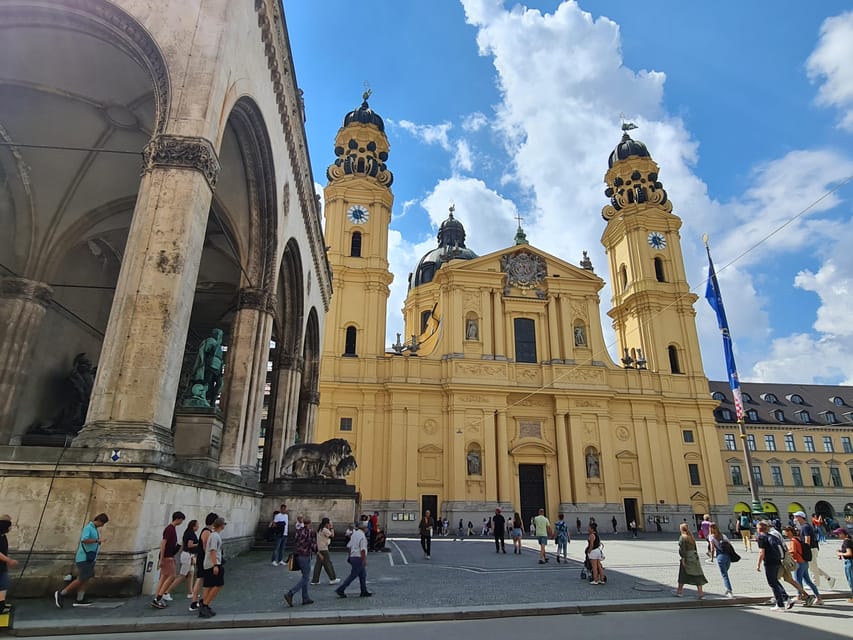
The Theatine Church takes the tour into Munich’s Baroque and courtly world. Its place in the route helps explain how the city shifted from medieval religious power toward a more theatrical style linked to princes and royal display.
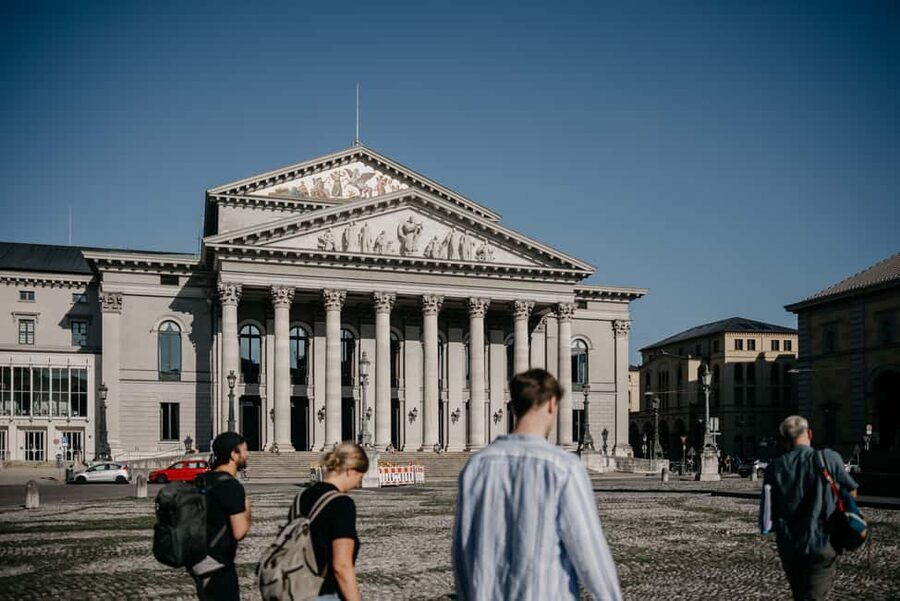
The tour then reaches the Bavarian State Opera and Maximilianstraße. These stops broaden the subject beyond churches. The opera represents Munich as a cultural capital, while Maximilianstraße brings in royal planning, ceremony, and the city’s grand 19th-century face.
This part should appeal to you if you enjoy seeing architecture as politics made visible. Streets and public buildings tell you how a ruling family wanted Munich to appear. Philipp also includes royal tales, amusing legends, and darker episodes, so the walk is not limited to dates and construction styles.
The itinerary covers Neo-Classicism and Historicism before moving on. Those labels matter because they describe different ways Munich looked backward and forward. Neo-Classicism favored order and classical references. Historicism borrowed from earlier styles, creating a city where medieval, Renaissance, and later forms can sit close together.
In two hours, you cannot study every façade in detail. The benefit is the broad view: you get a mental map of how Munich’s center developed and a useful framework for exploring more on your own.
A calmer turn at St. Lukas and the Isar
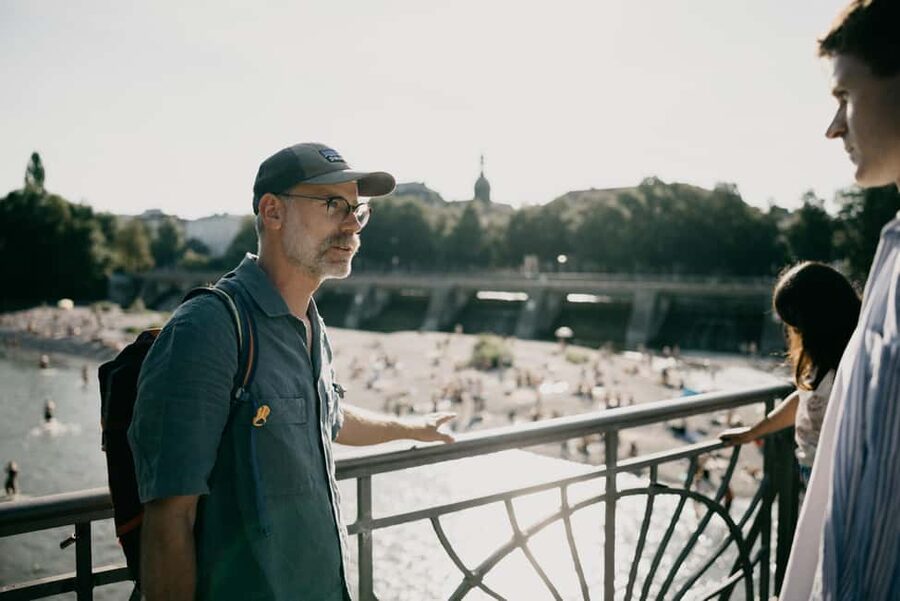
The tour changes mood at St. Lukas. This church is part of the move away from the most visited Old Town sights and toward the Isar River. That change is important. Munich can feel crowded around Marienplatz and the Christmas markets, so a quieter riverside stretch gives your eyes and ears a break.
The route includes a tram ride to the Isar area. Transportation to and from the meeting point is not included, and the tour information does not spell out whether you need a separate ticket for the tram segment. Ask Philipp about the fare before setting out, especially if you are using a day ticket or traveling in winter.
At the river, you visit Müllersche Volksbad, an important Jugendstil, or Art Nouveau, stop. The building adds a playful and decorative chapter after the more formal churches and royal buildings. The tour description also promises two more world records in this part of the route, though it does not identify them in advance.
This section is a good reason not to judge the tour as a standard Old Town walk. You see a different side of Munich, one that links architecture with everyday city life and the river. You also get a break from the steady line of monuments.
A few more Munich tours worth comparing
- Munich 3-Hour Guided Bike Tour
★ 4.5 · 1,731 reviews - Munich’s Beer Halls and Breweries: 3-Hour Guided Tour
★ 4.6 · 928 reviews - Guided Dachau Concentration Camp Memorial Site Tour with Train from Munich
★ 5.0 · 920 reviews - Munich: Birthplace of the Third Reich Guided Walking Tour
★ 4.6 · 771 reviews
Jugendstil, street art, and a modern finish
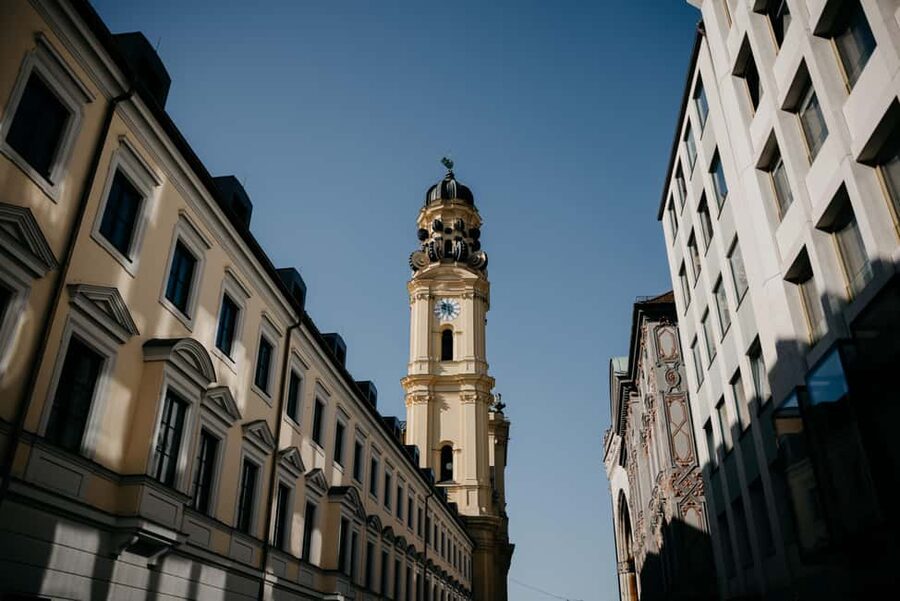
The final stretch brings in Art Nouveau, street art, and the Sudetendeutsches Museum. That combination sounds deliberately unexpected. After centuries of churches, royal buildings, and historic façades, the tour ends with modern visual language and a museum building that the description calls fantastic and crazy.
The Sudetendeutsches Museum is both the final visit and the stated finish of the route. The supplied meeting information also says the activity ends back at the meeting point, so there is a small practical inconsistency. Confirm the exact end location with Philipp before booking or arranging a timed train departure.
This last section gives the tour a useful present-day finish. Many architecture walks stop once they reach the old center. Here, the route asks you to compare old forms with current art and museum design. The street art also keeps the experience from becoming too polished or focused only on official monuments.
You should not expect a full museum tour in the remaining minutes. The museum is better understood as the final modern note in a fast-moving architectural story. If you want an extended visit, plan to return separately.
Christmas markets and seasonal atmosphere
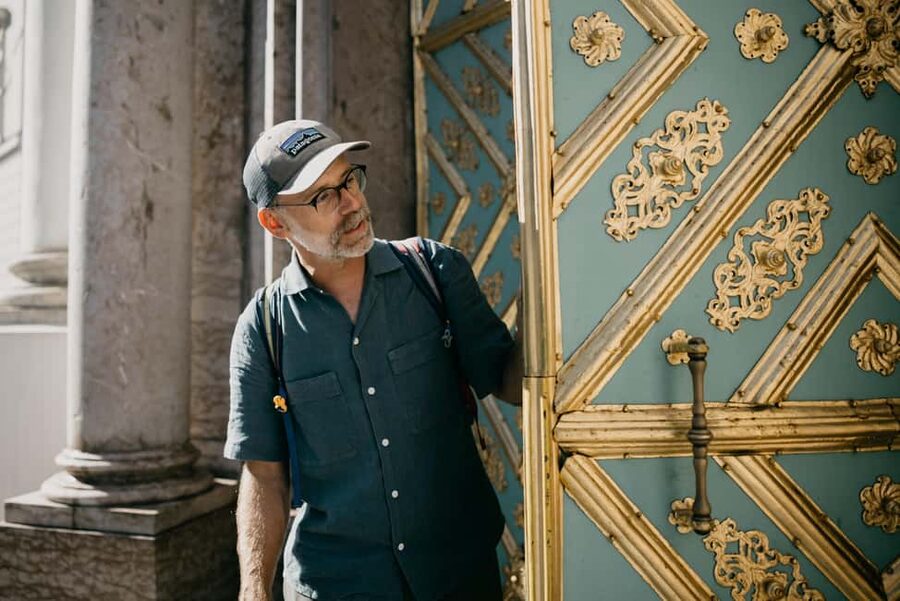
Several Christmas markets are part of the experience, including a unique medieval Christmas market in a memorable setting. The exact market stops can vary with the route and season, but the timing matters: this is especially suited to a winter visit.
Markets add atmosphere and local context, yet they also create practical problems. Crowds can make it harder to hear, and outdoor winter walking can be cold. Bring warm clothing, even if the forecast seems mild, and wear shoes with good support.
Food and drinks are not included. That is not a major issue on a two-hour tour, since you can buy something at a market or nearby afterward, but budget for your own purchases if you want a hot drink or snack.
The Alte Utting connection
The tour also includes the iconic Alte Utting, praised by The New York Times. The supplied schedule does not place it among the numbered stops, so you should confirm whether it is visited on every departure or included as part of the wider modern and street-art section.
Its presence fits the tour’s interest in unusual urban spaces. The experience is not only about palaces and churches. It also points you toward the more playful side of Munich, where creative reuse and contemporary art interrupt the formal historic center.
Ask Philipp about this stop when you meet. That will help you understand how much time is planned there and whether you should return later for a longer visit.
What $36 buys you
At $36 per person, the price is fair if you want a compact, guide-led introduction rather than a simple list of landmarks. You get two hours with a live guide, a route through the Old Town and Isar area, several seasonal market stops, and the chance to enter up to three notable buildings.
The value rests heavily on Philipp’s storytelling. The published feedback describes him as personable, friendly, present with his group, and effective at making the material memorable. One especially useful point is that the tour does not stay in the familiar center. It moves from well-known sights to quieter places near the Isar, then finishes with Art Nouveau, graffiti, and modern design.
There are limits. The tour does not include food, drinks, or transportation to the meeting point. Two hours also means quick transitions and limited time inside each building. If you want detailed art history at every church, choose a longer specialist tour. If you want a lively overview with sharp contrasts, $36 is reasonable.
Private groups are available, which may be worth considering for families or groups with a particular interest in architecture. The tour is offered in English and German.
Who will enjoy this route most
I would recommend this experience to you if you want:
- A clear time line from Gothic Munich to the present
- A mix of famous landmarks and less obvious districts
- Stories about royal life, legends, and difficult chapters
- Some indoor visits without spending the whole day in museums
- A winter activity that includes Christmas markets
- A guide who keeps the pace lively and personal
It is less suitable if you need wheelchair access, have a mobility impairment, or find extended walking difficult. The provider also lists the activity as unsuitable for people over 95 years old. Comfortable shoes are essential, and winter clothing is not optional.
The group can be private, but the standard group size is not provided. Ask about this if crowded tours make it hard for you to hear or keep up.
Booking details worth knowing
You can cancel up to 24 hours before the start for a full refund, and reserve now while paying later. That flexibility helps if winter weather or a changing Munich schedule affects your plans.
Participation is at your own risk, and smoking is not allowed. Bring a camera if you want photographs of the churches, river setting, street art, and modern architecture.
The stated duration is two hours, but plan extra time for reaching Frauenplatz and for the finish. Since the schedule names the Sudetendeutsches Museum while the meeting details refer to the original meeting point, do not book a tight train connection until Philipp confirms where the group ends.
Should you book Philipp’s Munich architecture tour?
Book it if you want Munich explained as a changing city rather than a row of famous buildings. The chronological structure, the shift from Gothic churches to the Isar, and the move into Jugendstil and modern art give you more range than a standard Old Town walk.
The strongest reason to go is Philipp himself. His style appears to combine clear information with humor, personal attention, and stories that help the architecture stay in your memory. The main caution is pace and access. Two hours is brisk, winter conditions can be tough, and the route is not designed for wheelchair users or people who need easy mobility.
For a first look at Munich, $36 is a sensible buy. Just wear warm, comfortable shoes, ask about the exact end point and tram arrangements, and leave room in your schedule to revisit the museum or any market that catches your eye.
FAQ
How long does the Munich architecture tour last?
The tour lasts two hours. Starting times vary, so check availability when booking.
Where does the tour start?
It starts outside the main entrance of the Frauenkirche at Frauenplatz 1 in Munich.
How will I recognize Philipp?
Philipp will be wearing a yellow winter hat and carrying a yellow backpack and a large blue presentation folder.
How do I reach the meeting point?
The closest public transport stop is Marienplatz, served by the S-Bahn and the U3 and U6 subway lines. From there, the meeting point is about a five-minute walk. Hauptbahnhof München is about a 15-minute walk away.
Which languages are available?
The live tour is available in English and German.
Are church interiors included?
The tour includes visits to several churches and offers the chance to enter up to three impressive buildings. Access can depend on conditions at the time of the tour.
Does the tour include a tram ride?
The route description includes taking a tram toward the Isar River. Transportation to and from the meeting point is not included, so ask Philipp about any ticket needed for the tram portion.
Is food or drink included?
No. Food and drinks are not included in the tour price.
Is the tour suitable for wheelchair users?
No. The activity is not suitable for wheelchair users or people with mobility impairments.
Can I cancel for a refund?
Yes. You can cancel up to 24 hours in advance for a full refund. You can also reserve now and pay later.
Recently reviewed in Munich
- München: Vegetarische Viktualienmarkt-Probiertour Deutsch★ 4.8 · 6 reviews
- Wright Europe Vacations – Private Escorted Auto Tours★ 5.0 · 35 reviews
- Best of Munich Electric Bike Tour★ 5.0 · 38 reviews
- Munich Walking Quiz: Explore and Discover the City’s Highlights★ 5.0 · 7 reviews
- Walking Tour on Resistance to Nazism in Munich★ 5.0 · 8 reviews
- Private Transfer from Munich to Salzburg with 2 hours for sightseeing★ 4.5 · 13 reviews
- Private Transfer from Munich to Vienna with 2 hours for sightseeing★ 4.5 · 6 reviews
- From Munich: Neuschwanstein Castle and Linderhof Private Tour★ 5.0 · 13 reviews
Munich History Tours, compared.
Munich 3-Hour Segway Tour: Nazi Munich & Royal Architecture
Read our review →
Guided Tour of the historic Town Hall on Marienplatz
Read our review →
Death and Chocolate: Walking Tour of Munich’s Old South Cemetery
Read our review →
Munich History Tour: Private & Personalized with a Local Guide
Read our review →
Munich and Nazi History Combination Day Tour Small Group
Read our review →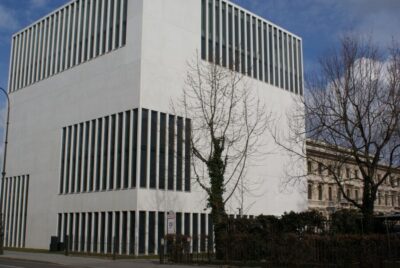
Private Sound-of-Music and Historic Salzburg Tour from Munich
Read our review →Browse the lists this tour appears in