
Reviewed · MUNICH THIRD REICH & WWII TOURS
Munich and Nazi History Combination Day Tour Small Group
Dachau and Nazi-era Munich form a difficult but important pair. This eight-hour small-group tour connects the concentration camp memorial outside the city with the streets where Hitler’s political career began, giving you the wider story rather than a single isolated site.
I like two things right away: public transport is handled for you, and the group is limited to 15 people. Guides Alun Evans and Alan receive especially strong praise for clear explanations, smooth train navigation, and making room for questions. The main drawback is the long, serious day, with a one-hour lunch break and plenty of walking. Children under 14 cannot join.
Key points
- Dachau Memorial comes first, with about three hours for a guided visit and museum time.
- The morning and afternoon fit together, linking the camp system to Munich’s Nazi political sites.
- Alun Evans and Alan lead the tour, with strong subject knowledge and careful explanations.
- Public transport is included, so you do not need to work out the trains and connections.
- Groups are capped at 15, small enough for questions and personal attention.
- The tour finishes at Königsplatz, near the Führerbau and the Documentation Center of National Socialism.
Why combine Dachau with Nazi Munich?
Dachau can be visited on its own, but the Munich portion adds useful context. At the memorial, you confront the machinery of persecution and imprisonment. Back in the city, you see where the Nazi movement organized, negotiated, and presented itself to the public.
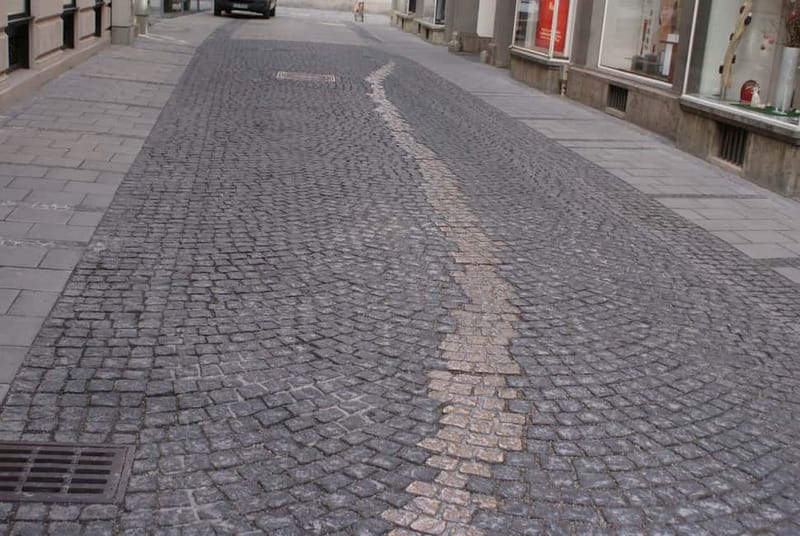
That connection is the chief reason I find this tour worthwhile. A casual walk through Munich reveals churches, beer halls, grand squares, and medieval streets. It does not always reveal how those same streets were tied to the rise of the Nazi Party. A guide helps you read the less obvious layers of the city.
The day is also efficient. You meet in central Munich, travel to Dachau, return to Marienplatz for lunch, then set off on the city walk. You do not need to book separate transport or spend time planning two different visits.
This is not a light sightseeing outing. Dachau is a memorial site devoted to remembrance, reflection, and education. The Munich walk deals with Hitler, anti-Jewish persecution, Nazi power, and the Munich Agreement. You should expect a serious tone throughout, even when the route passes attractive city sights.
Other Third Reich and wartime history tours in Munich:
- Munich: Third Reich & WWII Walking Tour
★ 4.6 · 6,181 reviews - Third Reich Walking Tour Munich
★ 4.5 · 4,291 reviews - Munich: Birthplace of the Third Reich Guided Walking Tour
★ 4.6 · 771 reviews
Starting at Marienplatz at 9:00 AM
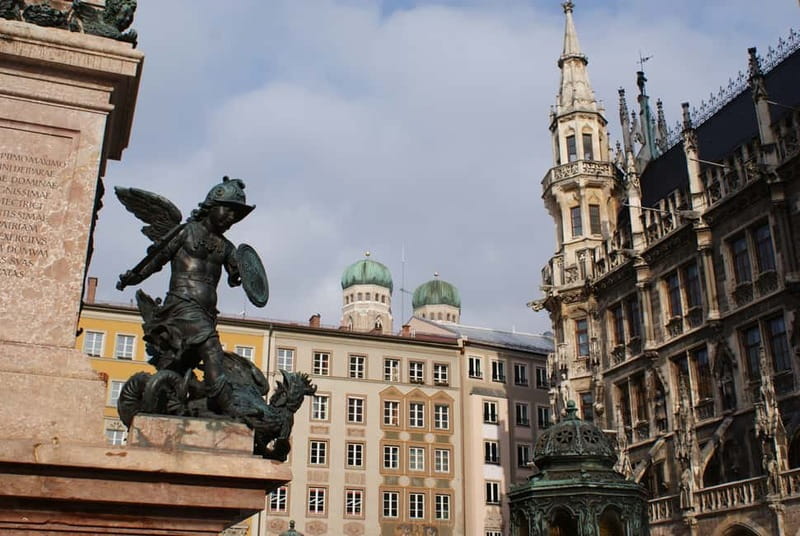
The meeting point is in front of the Tourist Information Center at Marienplatz. Look for the guide holding a placard marked Dachau Memorial Tour. This central location is practical, especially if you are staying in central Munich or already planning to visit the square.
The tour begins with the journey to Dachau using Munich’s public transport system. The train portion is listed at roughly 45 minutes each way. The transport costs during the tour are included, and you remain with the guide rather than having to work out the route yourself.
That matters more than it may sound. A visit to Dachau requires a trip beyond central Munich, and missed connections or uncertainty about tickets can add stress before a difficult morning. Alun Evans and Alan are praised for handling the trains and crowded transport with calm efficiency.
You should arrive on time. One person noted that the guide waited as long as possible when the group was running late, but that is not something to count on. The day has a fixed structure, and delays can reduce time at the memorial.
Three hours at Dachau Memorial
The Dachau Concentration Camp Memorial Site is the heart of the morning. You spend about three hours there with a guide accredited by the memorial. The visit includes a guided tour of the grounds and time to examine the museum exhibition independently.
That mix is important. A guide can explain what you are seeing, place events in order, and answer questions. The museum then gives you space to read, look closely, and absorb the material at your own pace. One hour in the museum is scheduled within the visit, though you could easily want longer.
The guide’s role here goes beyond pointing out buildings. The tour aims to explain how Dachau operated and how the Nazi system developed an atmosphere of control and fear. The supplied information does not list each memorial stop, so you should think of this as a guided introduction to the site rather than a promise of a particular room, barracks area, or exhibit sequence.
The subject demands care. A strong guide needs to give facts without turning the memorial into a spectacle. Alun Evans receives repeated praise for presenting the material sensitively, answering difficult questions, and providing historical context. Alan is also praised for being thorough without making the explanations feel scattered.
You will have independent time on the grounds and in the museum. Use it quietly. Comfortable walking shoes are recommended, and dress for the weather, since you will spend part of the visit outside. Large bags and luggage are not allowed, so leave suitcases at your accommodation.
The memorial may alter how the guided information is delivered because of current regulations. In that case, some historical explanations may take place offsite, with extra independent time on the grounds. That is worth knowing before booking, since the exact balance between commentary and self-guided time can change.
Returning to Marienplatz for lunch
After Dachau, you return with the guide to Marienplatz. A one-hour break is set aside for lunch and refreshments. Meals are not included, but the guide can suggest places to eat.
This break is useful for practical reasons. Dachau is emotionally demanding, and the pause gives you time to rest before the afternoon walk. It also prevents the entire day from becoming one long continuous lecture.
Do not expect a long restaurant meal if you want to be back at the meeting point for the afternoon start. The schedule begins again at about 3:00 PM. You may prefer a quick meal and drink, especially because the Munich section involves more walking.
The lunch stop is also the one part of the day you manage more independently. The guide offers suggestions, but the meal and drinks are your responsibility. That keeps the tour price down, though you should budget for lunch in addition to the $109 booking cost.
More history tours in Munich:
- Munich 3-Hour Segway Tour: Nazi Munich & Royal Architecture
★ 4.9 · 194 reviews - Munich: Guided Tour of the historic Town Hall on Marienplatz
★ 4.8 · 63 reviews - Munich’s Hidden Architecture Guided Tour
★ 4.9 · 47 reviews - Death and Chocolate: Walking Tour of Munich’s Old South Cemetery
★ 5.0 · 35 reviews
Hitler and the Nazi Party in central Munich
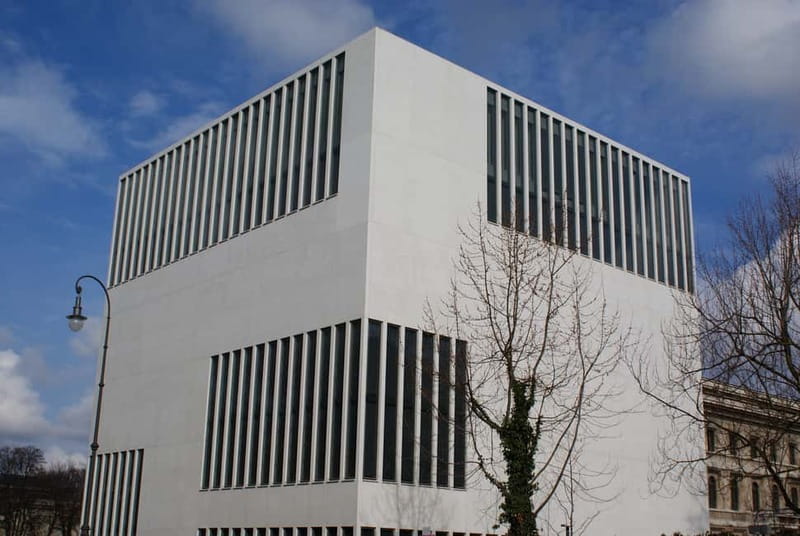
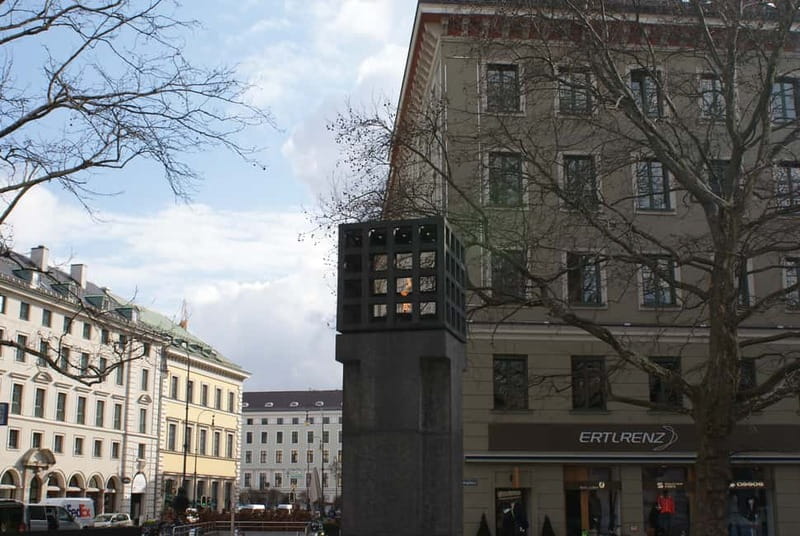
The afternoon begins at Marienplatz with a walking tour focused on the Nazi movement and Hitler’s connection to Munich. The route includes locations where Hitler joined the German Workers Party, where the decision was made to carry out a pogrom against German Jews in November 1938, and where the Munich Agreement was signed in 1938.
These places do not all announce their importance. This is where a guide adds real value. Without historical explanation, you may pass an ordinary-looking building or square without realizing what happened there. The tour gives those locations a political and human context.
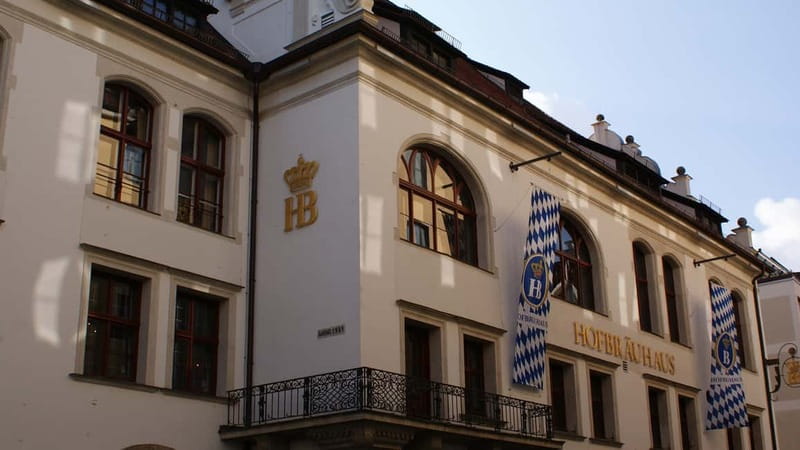
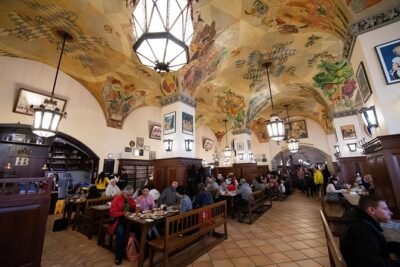
The walk also includes sights outside the Nazi subject. You see Munich’s oldest parish church, one of the city’s quaintest beer gardens, and the Hofbräuhaus. This variety helps you understand the city as a living place rather than a museum devoted only to dictatorship.
The Hofbräuhaus stop is brief, listed at about 10 minutes. Do not book this tour expecting a beer tasting or a long visit inside. It is included because the famous beer hall forms part of Munich’s public identity and political story.
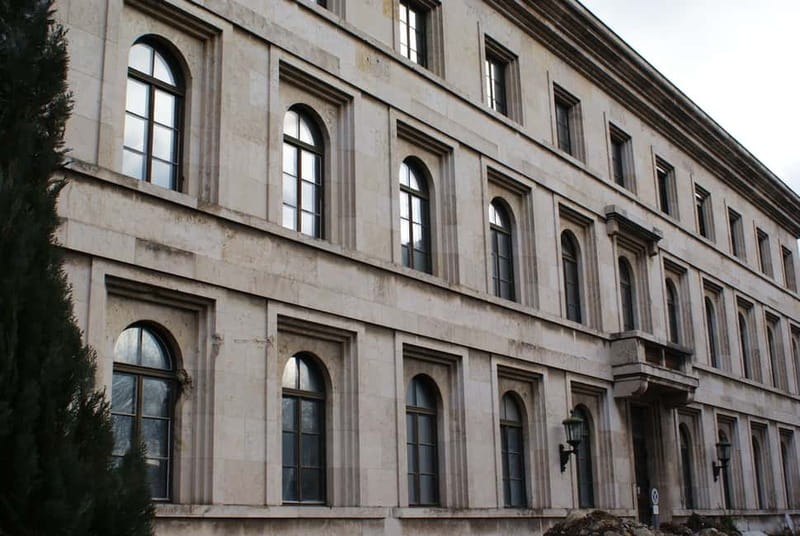
The same applies to the Führerbau, another short stop. The building is tied to Nazi power and the signing of the Munich Agreement. The purpose is to explain its role, not to spend an extended period touring the interior.
Ending at Königsplatz
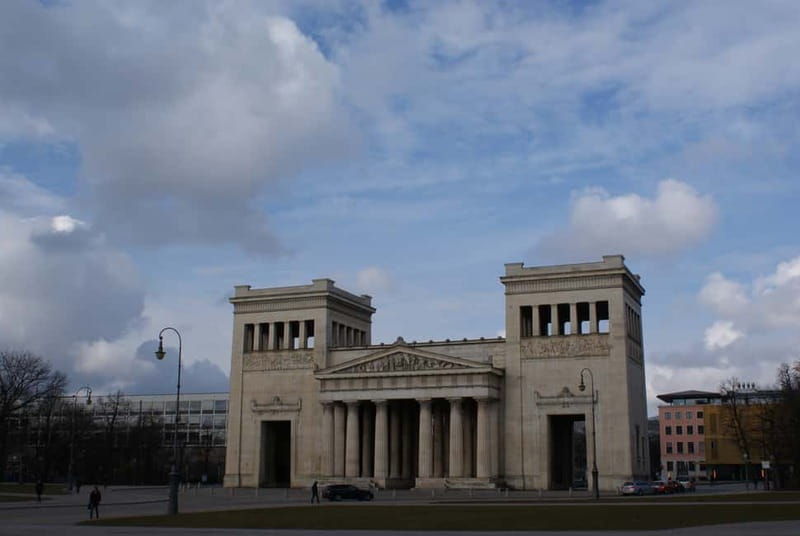
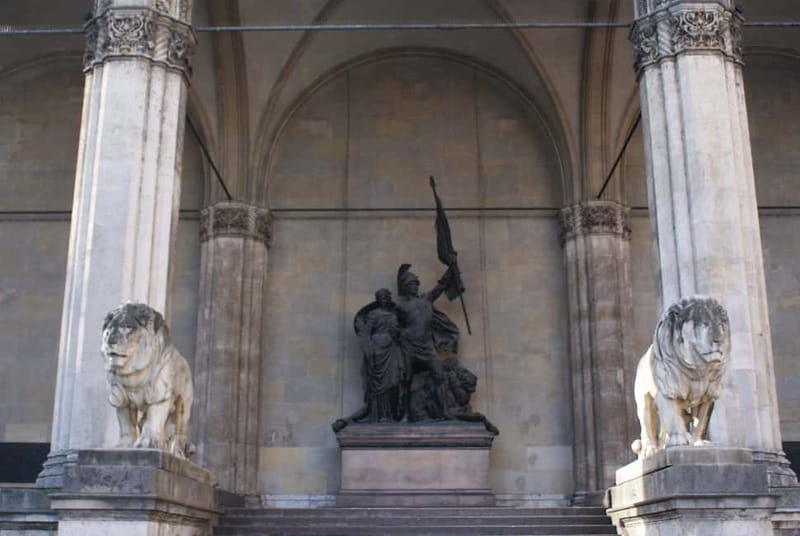
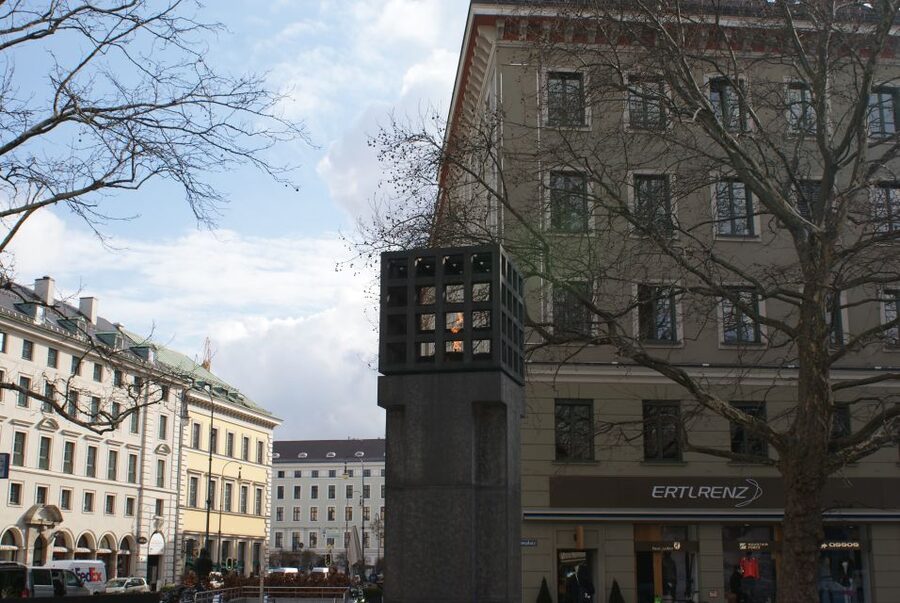
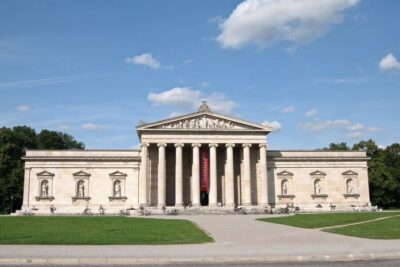
The walk finishes at Königsplatz, where the Nazis held rallies. The square is also near the former Führerbau and the Documentation Center of National Socialism.
Königsplatz makes a fitting final stop because its monumental setting helps explain how public space was used for political theater. The tour brings you back to physical places after the morning’s memorial visit, allowing you to connect ideology, public ceremony, and state power.
The supplied schedule gives about 15 minutes at Königsplatz. That is enough for an explanation and orientation, but not a full visit to every nearby institution. If you want to spend more time at the Documentation Center, ask the guide for advice about fitting it into your plans.
At the end, you can be escorted back to Marienplatz by train with the guide or make your own way onward. The activity officially ends back at the original meeting point. Your guide can also help with directions and restaurant suggestions.
What the small group changes
The maximum group size is 15. That is not a private tour, but it is small enough to make questions practical. You are less likely to lose the guide’s voice, and the guide can keep an eye on everyone during train changes and city walking.
The smaller format is especially helpful at Dachau. This is not a place where you want a rushed, noisy group. A limited group allows the guide to explain difficult material and respond when someone needs clarification.
The group can still be as large as 15, so do not picture an individual walking tour. The experience depends partly on the day’s attendance. The strong feedback about groups of 11 and 13 suggests that the format can remain comfortable near its limit.
A key benefit is the guide’s handling of public transport. Munich’s system is excellent, but navigating stations with a group takes attention. Alun and Alan are praised for moving people efficiently through trains and buses, which protects your time at Dachau.
The guides: Alun Evans and Alan
The guide can be Alun Evans, the experience provider, or another guide from his personal guiding operation. Alun is repeatedly praised for his command of World War II history, clear storytelling, friendly manner, and ability to answer unexpected questions.
Several comments also describe him as a history major and a native English speaker. For an English-language tour dealing with complex political events, that can make a difference. You need explanations that are precise but easy to follow, especially when names, dates, and organizations begin to pile up.
Alan is also praised for giving historical perspective, keeping the tour organized, and making the subject come to life without losing accuracy. The descriptions of both guides point to the same useful qualities: strong preparation, clear delivery, and a willingness to let you ask questions.
No guide can make Dachau easy. The best a guide can do is help you understand what happened and why the places matter. This tour seems designed around that serious responsibility rather than quick photo stops.
Is $109 a fair price?
At $109 per person, the tour is not the cheapest way to see Dachau. You could use Munich public transport and visit the memorial independently. You would then avoid the guide fee and control your own schedule.
The value here is the combination. Your transport during the tour is included, a memorial-accredited guide leads the Dachau visit, museum time is built in, and the same day includes an organized Munich history walk. You also avoid researching train routes, historic addresses, and the relationship between the sites.
For me, the price makes the most sense if you want a full explanation and have only limited time in Munich. It is less appealing if you prefer reading exhibits alone, setting your own pace, or spending a full day at Dachau without returning to the city.
The small group also supports the price. You are paying for guidance rather than a large coach excursion. Meals, drinks, hotel pickup, and transport outside the tour are not included, so factor those costs into your plans.
Free cancellation is available up to 24 hours before the tour, and you can reserve now and pay later. Those terms help if your Munich schedule is still taking shape.
Who should book this day?
I would recommend it to adults and older teenagers who want a serious, guided look at Munich’s Nazi past. It suits first-time visitors who may otherwise miss the city’s less visible political sites.
It is particularly useful if you want Dachau and central Munich in one day. The schedule is demanding, but it saves you from arranging two separate experiences and gives you a guide who can connect them.
I would not choose it for children under 14, since they are not permitted. I would also think twice if you dislike fixed schedules or need plenty of quiet time between historic sites. The day runs from morning until late afternoon, with a planned lunch break but no large amount of free time.
Bring comfortable shoes, weather-appropriate clothing, and only a small personal bag. Leave luggage behind. Most of all, allow yourself time after the tour to process what you have seen.
Should you book it?
Book this tour if you want an efficient, carefully guided introduction to Dachau and Nazi Munich, especially if you value clear English explanations and help with public transport. Alun Evans and Alan appear to be the strongest part of the experience, and the small group gives the day a more personal feel than a large organized excursion.
Skip it if you want a relaxed sightseeing day, a long independent museum visit, or a tour centered mainly on beer halls and attractive city views. This is a history day first, with Munich’s famous sights serving as context.
For the right visitor, $109 buys more than transportation and stops. It buys structure, explanation, and a direct link between a memorial outside the city and the political story written into Munich’s streets.
FAQ
Where does the tour start?
It starts at Marienplatz in central Munich, in front of the Tourist Information Center. The guide carries a placard marked Dachau Memorial Tour.
How long does the experience last?
The tour lasts about eight hours. It begins around 9:00 AM, returns to Marienplatz for lunch, and starts the Munich walking section at about 3:00 PM.
Is transport included?
Transportation costs during the tour are included. The group uses Munich’s public transport system. Transport outside the tour is not included.
How much time is spent at Dachau?
The guided visit to Dachau takes about three hours. You also receive independent time to explore the museum exhibition and grounds.
Is lunch included?
No. Lunch and drinks are not included. You have about one hour at Marienplatz, and the guide can suggest places to eat.
Can children join the tour?
Children under 14 are not permitted on the tour.
What happens if memorial regulations change?
The itinerary may change because of current regulations at Dachau Memorial. Historical information may then be given offsite, with additional independent time on the grounds.
Recently reviewed in Munich
- München: Vegetarische Viktualienmarkt-Probiertour Deutsch★ 4.8 · 6 reviews
- Wright Europe Vacations – Private Escorted Auto Tours★ 5.0 · 35 reviews
- Best of Munich Electric Bike Tour★ 5.0 · 38 reviews
- Munich Walking Quiz: Explore and Discover the City’s Highlights★ 5.0 · 7 reviews
- Walking Tour on Resistance to Nazism in Munich★ 5.0 · 8 reviews
- Private Transfer from Munich to Salzburg with 2 hours for sightseeing★ 4.5 · 13 reviews
- Private Transfer from Munich to Vienna with 2 hours for sightseeing★ 4.5 · 6 reviews
- 2 hour Sights Guided E-Scooter Tour in Munich★ 4.0 · 6 reviews
Munich Third Reich & WWII Tours, compared.
Birthplace of the Third Reich Guided Walking Tour
Read our review →
Munich World War II Sites Including Dachau Concentration Camp
Read our review →
Munich 3-Hour Segway Tour: Nazi Munich & Royal Architecture
Read our review →
Dachau Concentration Camp Memorial Site And Third Reich Day Tour From Munich
Read our review →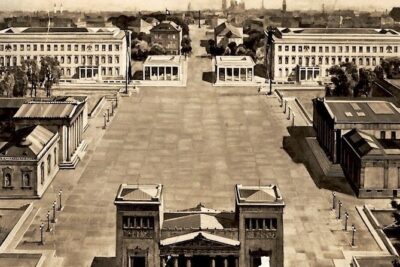
Browse the lists this tour appears in