
Reviewed · MUNICH HISTORY TOURS
Munich’s Hidden Architecture Guided Tour
Munich’s south has a different rhythm from the postcard center. On this two-hour walk, architect Philipp leads you through street art, converted shipping containers, old neighborhoods, river paths, and three unusual Christmas markets before reaching Gans Woanders. The famous stop is Alte Utting, a ship perched on a bridge, but the real pleasure is seeing how these places fit into Munich’s changing cultural life.
I like the route for two clear reasons. First, it takes you beyond the usual Marienplatz and palace circuit into Giesing and the Isar district, places many first-time visitors miss. Second, Philipp’s background in architecture gives the walk a sharper eye for details, design, and urban change. The drawback is equally clear: this is an outdoor winter walk with uneven city walking and no food or drinks included, so warm layers and good shoes matter.
Key points to know
- Architect-led commentary: Philipp brings professional architecture knowledge and a strong interest in art, buildings, and urban culture.
- Three alternative Christmas markets: The seasonal stops add local character, but the tour is most useful in winter.
- Alte Utting: See the former ship on Lagerhausstrasse, a highly unusual Munich landmark.
- Isar and Little Venice: The route includes river views, nature, willow island, and quieter waterside scenery.
- South Munich focus: Giesing’s 700-plus years of history give the walk more substance than a simple street-art outing.
- Two hours and $36: A fair price for a small-group guided introduction, provided you want an active walk rather than a museum visit.
Why Munich’s southern districts are worth your time
Munich is easy to reduce to the old center, beer halls, grand churches, and royal buildings. Those places deserve attention, but they can give you a polished and incomplete idea of the city. South of the center, Munich feels more mixed and more current. Older residential quarters sit near creative workspaces, repurposed structures, river paths, and informal cultural venues.
That contrast is the main reason I find this tour appealing. You are not simply ticking off monuments. You are looking at how a city uses leftover spaces and how neighborhoods change without losing every trace of their past.
The walk also adds a useful local scale. You begin at Piazza Zenetti, then move through several southern districts rather than staying in one compact historic zone. At the end, you have seen art, architecture, water, public gathering places, and old neighborhood streets in one continuous route.
Philipp’s role matters here. The supplied feedback consistently praises his clear explanations, patience with questions, and ability to point out small details. One local couple who had lived in Munich for nearly 25 years still found new information on the walk. That is a good sign for anyone who wants more than a basic orientation tour.
More history tours in Munich:
- Munich 3-Hour Segway Tour: Nazi Munich & Royal Architecture
★ 4.9 · 194 reviews - Munich: Guided Tour of the historic Town Hall on Marienplatz
★ 4.8 · 63 reviews - Death and Chocolate: Walking Tour of Munich’s Old South Cemetery
★ 5.0 · 35 reviews
Starting at Piazza Zenetti
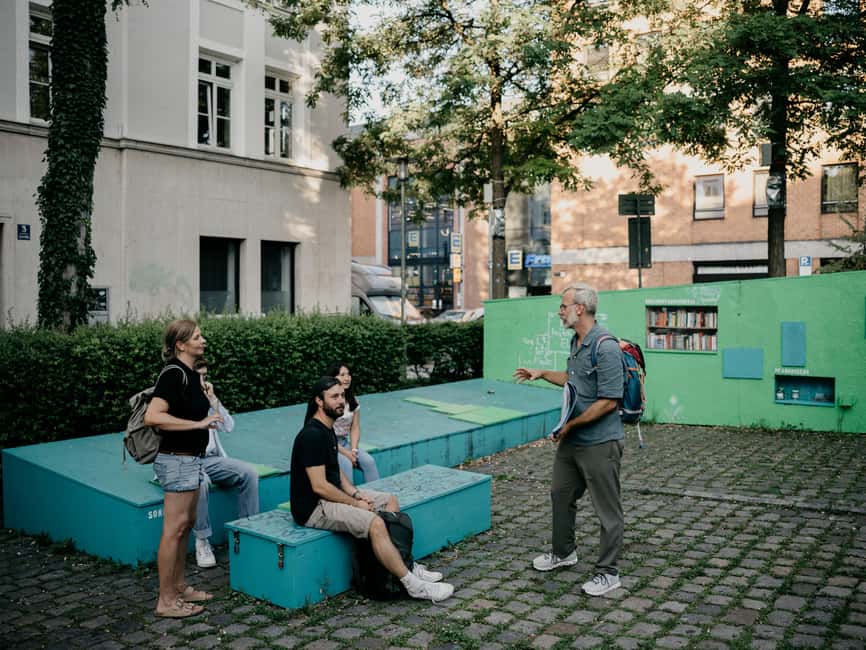
The meeting point is Piazza Zenetti, at the corner of Tumblingerstrasse and Zenettistrasse. Look for turquoise and green outdoor furniture and small trees in boxes. Philipp is described as carrying a blue folder and wearing a colorful backpack, which should make the meeting easier.
The simplest arrival is the U3 or U6 to Goetheplatz, followed by a walk of about 10 minutes. Since transportation to the meeting point is not included, allow enough time to find the square without rushing. Munich’s public transport system makes the approach practical, but you will need to handle that first connection yourself.
Piazza Zenetti is a fitting launch point. The tour begins in an area where public space, art, and neighborhood life matter more than grand civic architecture. From here, expect to get moving quickly rather than spending a long time at one formal monument.
Münchner Volkstheater and the first look at the south
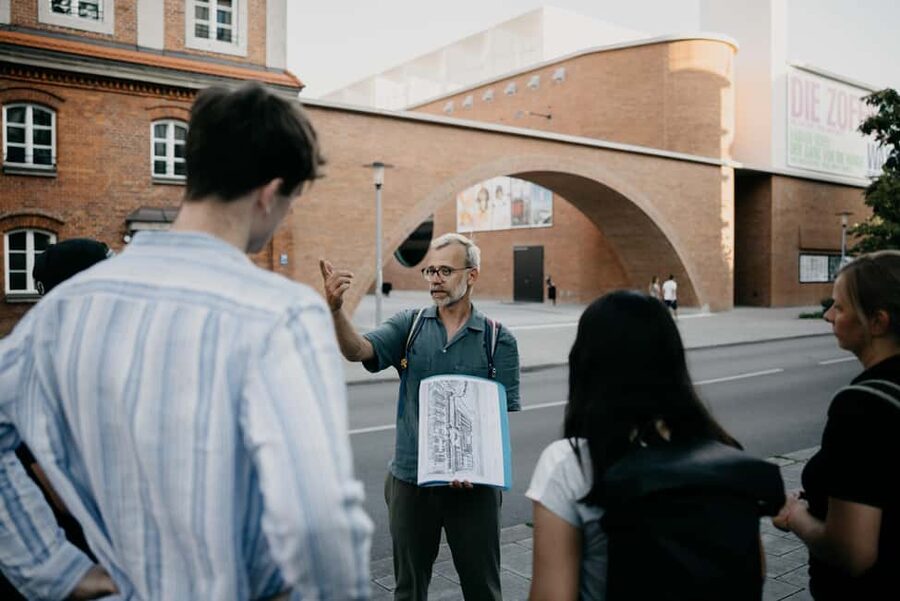
The route includes the Münchner Volkstheater, where Philipp provides a guided explanation. This stop helps establish the tour’s interest in culture and design. You are not only looking at old facades. You are considering how theater, public buildings, and creative spaces help shape a district.
The stop is also useful because it gives context before the route reaches more experimental places. A theater may feel familiar compared with the later container-built cultural hubs, yet it belongs to the same larger story: Munich’s cultural life is not confined to the historic core.
Do not expect a full theater performance or an interior visit. The activity is a walking tour, and the stop functions as part of the outdoor route. If you want a detailed architectural study of the building itself, you may need a separate visit.
Bahnwärter Thiel and Munich’s creative side
Bahnwärter Thiel is one of the tour’s most distinctive stops. The venue is associated with shipping containers, wood, street art, and an informal cultural setting. It shows how ordinary or industrial materials can become places for art, events, and community use.
I like this part because it gives you something that standard sightseeing often misses: a sense of how residents and artists reshape neglected or spare urban spaces. The setting is not polished in the traditional sense, and that is precisely the point. Its appeal comes from improvisation and personality.
Philipp’s architecture background is especially useful here. You can look beyond colorful walls and unusual structures and consider how the site works as a place. The commentary may help you notice small design choices, materials, and the relationship between creative activity and the surrounding neighborhood.
The practical note is that this is an outdoor stop. Winter weather can make the area feel cold, especially if the group pauses while Philipp explains its background. Wear shoes that can handle a full walk and clothing that keeps you warm while standing still.
A few more Munich tours worth comparing
- Munich 3-Hour Guided Bike Tour
★ 4.5 · 1,731 reviews - Munich’s Beer Halls and Breweries: 3-Hour Guided Tour
★ 4.6 · 928 reviews - Guided Dachau Concentration Camp Memorial Site Tour with Train from Munich
★ 5.0 · 920 reviews - Munich: Birthplace of the Third Reich Guided Walking Tour
★ 4.6 · 771 reviews
Alte Utting on Lagerhausstrasse

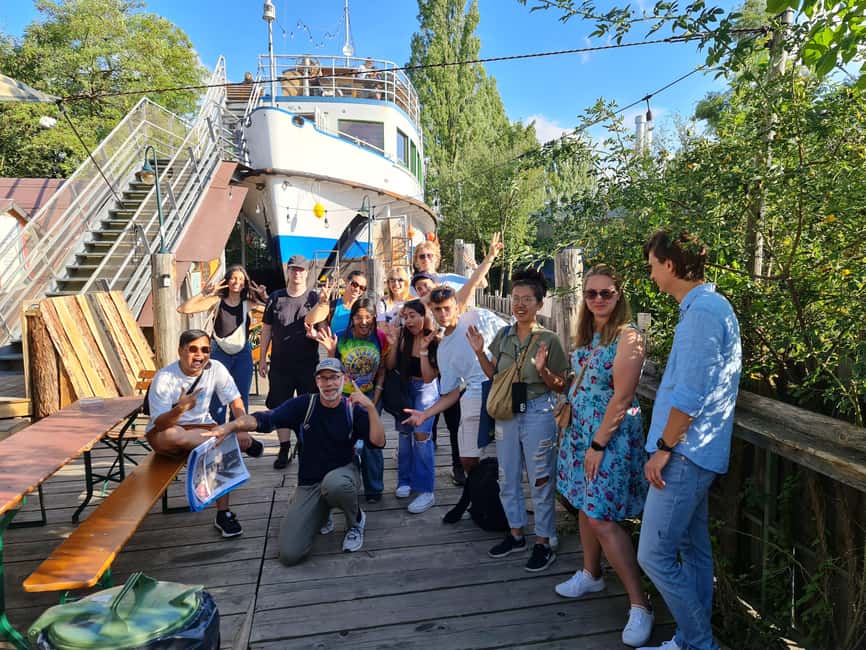
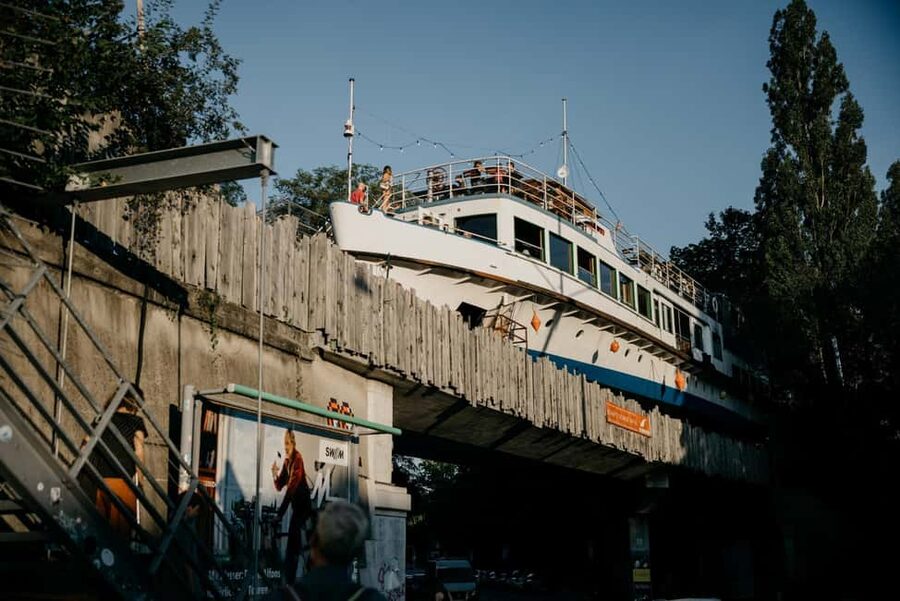
Alte Utting is the route’s most memorable visual landmark. A former ship sits on a bridge at Lagerhausstrasse, creating one of those unmistakably odd Munich scenes that you would be unlikely to find by accident during a standard city-center stroll.
The attraction is not just the novelty of seeing a boat above the street. It represents the city’s taste for reusing structures in unexpected ways. A vessel that once belonged on water now serves as a cultural meeting place on land. That change of setting is what makes the stop so interesting from an architectural point of view.
The location received international attention from The New York Times, which asked if Munich was getting cool and directed readers toward the boat on the bridge. You do not need that headline to enjoy the place, but it explains why Alte Utting has become one of the south’s best-known alternative landmarks.
This is a good spot for photographs, though the experience remains guided rather than purely photo-focused. Philipp explains the site as part of the wider story of Munich’s creative districts. If you prefer palaces and formal interiors, this may feel unusual. If you enjoy adaptive reuse and offbeat public spaces, it will likely be one of the tour’s strongest moments.
Dreimühlenstraße and the move toward the Isar
After Alte Utting, the route continues through Dreimühlenstraße and toward the river. The change is important. The tour moves from built-up creative venues to streets, water, and open air, showing that southern Munich is not defined by one style.
You will want to pace yourself here. The experience lasts two hours, but it includes several stops and a fair amount of walking. Since the route crosses different types of urban space, comfortable shoes are more important than fashionable ones.
This part can also help you read Munich as a connected city rather than a series of isolated sights. Cultural venues, residential districts, bridges, and river paths all sit within the same southern area. Philipp’s explanations tie those pieces together, which is why the tour offers more value than simply receiving a list of addresses.
Crossing at Wittelsbacherbrücke
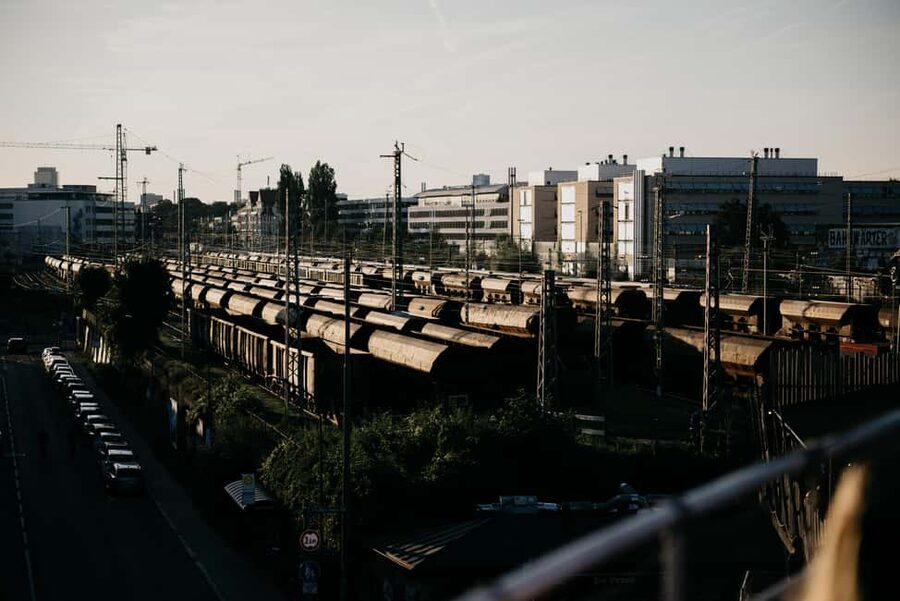
Wittelsbacherbrücke brings the Isar into the center of the experience. From the bridge, you can see the river as a major natural feature within Munich, not just as a line on a map between sightseeing stops.
The tour includes the chance to see the city and the Isar by night. In winter, darkness comes early, so starting time affects the mood of this section. Check the available departure times before booking if evening views are important to you.
Bridge stops can be brief, depending on the pace of the group and weather conditions. Still, this is a valuable change of perspective. After the dense creative spaces and city streets, the river gives you room to notice Munich’s natural setting.
Bring a camera if you enjoy evening photographs, but keep expectations realistic. The tour is not presented as a dedicated photography outing, and winter light can be limited. A small camera or phone is enough for most people.
Claude-Lorrain-Straße and Giesing’s local character
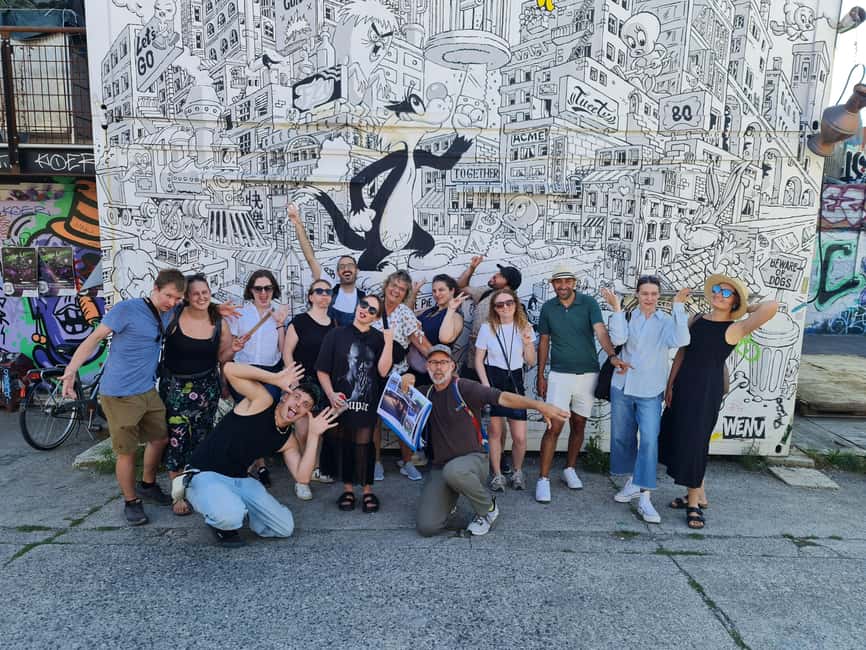
The route then reaches Claude-Lorrain-Straße and continues toward Giesing, one of the southern districts that gives this experience its strongest local identity. The area is presented as one of Munich’s last more authentic neighborhoods, with its own character rather than a look designed only for visitors.
Giesing’s story reaches back more than 700 years. That long timeline adds weight to a tour that also includes street art, containers, and contemporary gathering places. You get to see old neighborhood identity alongside newer creative uses of space.
This is where Philipp’s detailed approach becomes especially useful. The area may not announce its history with a grand monument at every corner. You need someone to point out what changed, what survived, and why the district feels different from central Munich.
I would choose this tour for its combination of local history and present-day culture. A purely historical walking tour might focus on churches, rulers, and major events. A purely alternative tour might show murals and unusual venues without much context. This route tries to connect both sides.
Little Venice and the willow island
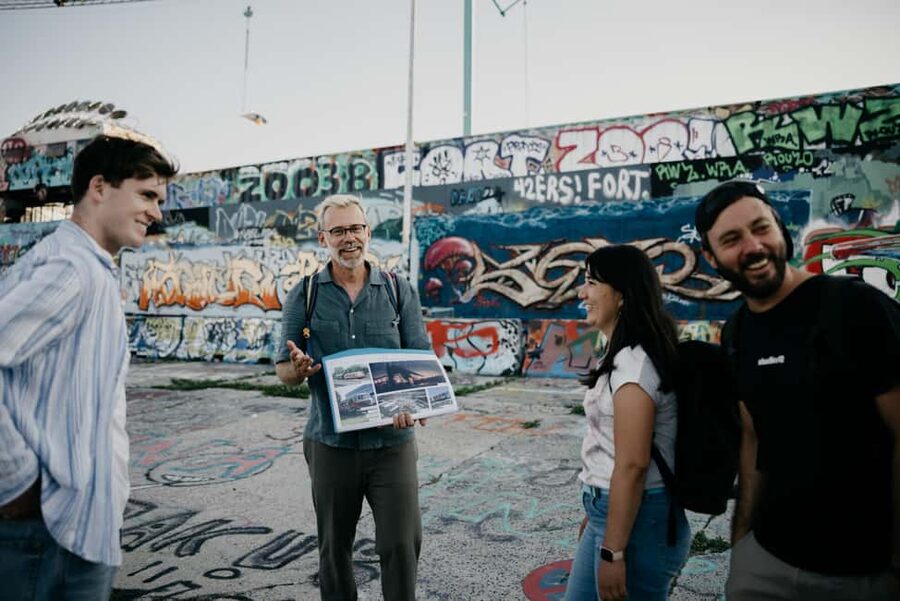
Little Venice is the final scenic part of the route. The name suggests a waterside setting, and the experience includes the Isar, nature, and a beautiful willow island. It offers a quieter finish after the street art and cultural stops.
The willow island is one of the details that makes the route feel more personal. It is not a headline monument, but it gives you a chance to see the river environment and the softer edge of the city. This stop may appeal most to people who like combining architecture with walking through nature.
The route is listed as finishing at Gans Woanders, another southern cultural venue with a distinctive local feel. The meeting information also says the activity ends back at the meeting point, so confirm the exact finishing arrangement when you book. Either way, do not plan a tightly timed connection immediately afterward until you know where Philipp will conclude the walk.
Three Christmas markets, with a seasonal catch
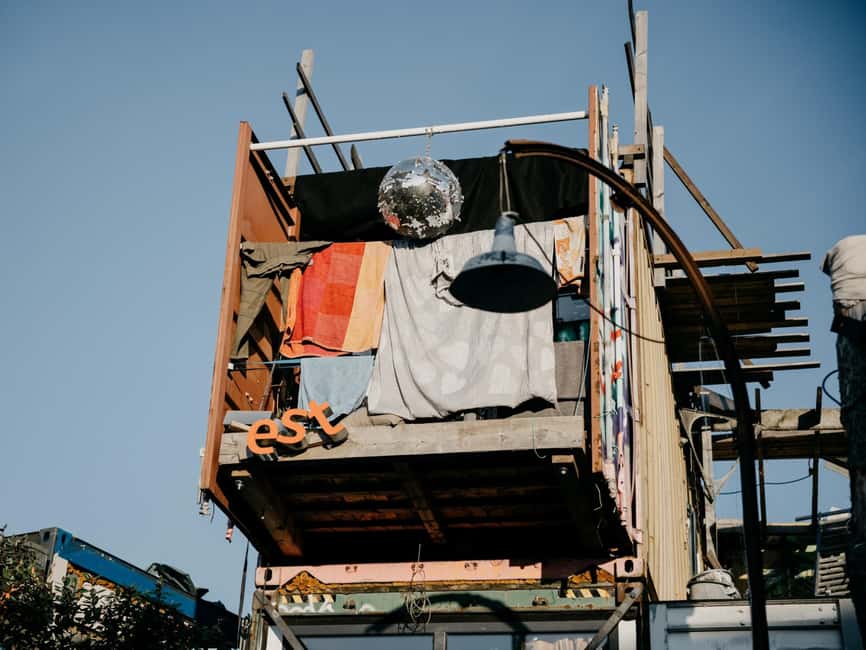
The tour includes three alternative Christmas markets, including one described as among Munich’s coolest and most unusual. These are not simply decorative add-ons. They fit the wider focus on local culture, temporary public spaces, food, craft, and neighborhood gathering.
For a winter visit, the markets help break up the walking route. You can see how Munich celebrates the season beyond the biggest and most famous central markets. The atmosphere should feel more tied to the city’s creative south than to a standard tourist square.
Food and drinks are not included, so budget extra if you want to buy something along the way. That is also a benefit: you choose what interests you instead of paying for a fixed tasting package.
The obvious limitation is seasonal timing. This experience is built around winter markets and evening atmosphere, so it makes the most sense when those markets are operating. Check the date and starting time carefully. If you are visiting outside the Christmas season, ask Philipp what parts of the route remain available and how the market stops are handled.
What $36 buys you
At $36 per person, the tour sits in a reasonable range for a two-hour guided city walk. The value depends on what you want. You are paying for a route that would be difficult to assemble efficiently on your own, plus explanations from Philipp, a professional architect who can answer questions and connect design with local history.
The price is less attractive if you want a long stop at every venue, included food, or entry into major interiors. None of those are part of the activity. This is an outdoor orientation walk with several guided locations.
I think the cost works best for first-time visitors who have already seen, or plan to see, central Munich and want another side of the city. It also suits residents who want fresh context for familiar districts. The 4.9 rating from 47 ratings supports the idea that the guide’s delivery is a major part of the value, especially for people who enjoy asking questions.
Private groups are available. That may be useful if you want to set the pace, arrange a special request, or give the tour as a Christmas voucher. Contact Philipp directly for those options.
Walking demands and winter planning
This is not a mobility-friendly activity. It is not suitable for wheelchair users or people with mobility impairments, and the route involves walking between several stops. Participation is at your own risk.
Bring warm clothing and comfortable walking shoes. Winter is not the time to rely on thin city clothes, especially when the group pauses outdoors near the river or at cultural venues. Smoking is not allowed during the activity.
The tour is offered in English and German. A private group is available, but the supplied details do not specify the standard group size, so ask if that matters to you.
Cancellation is flexible up to 24 hours before the start for a full refund, and you can reserve now and pay later. Those terms are useful if your Munich plans are still shifting, but the main decision remains seasonal: book this because you want an active winter walk through the southern districts, not because you are searching for an indoor backup plan.
Who should book this Munich walk
I would choose this experience if you like architecture, street art, adaptive reuse, local districts, and city walks with a strong sense of place. It is also a good pick after a traditional Munich introduction, when you want to see how the city looks away from royal squares and famous churches.
It fits couples, curious solo visitors, friends, and private groups who enjoy listening and asking questions. Philipp’s clear speaking style and willingness to answer questions are especially helpful if you want explanations rather than a quick photo stop.
I would skip it if you have limited mobility, dislike cold weather, need frequent indoor breaks, or want a classic old-town tour. The route is active, seasonal, and intentionally different from Munich’s formal sightseeing circuit.
Should you book it?
Book this tour if Alte Utting, Giesing, street art, the Isar, and alternative Christmas markets sound more appealing than another pass through the old center. The strongest reason to go is Philipp’s mix of architectural insight and local curiosity. He helps you see why these places matter, not just where they are.
For the best fit, schedule it early in your Munich stay so you can return to any place that catches your eye. Wear warm layers, leave room for a market snack, and allow flexibility after the finish because the supplied meeting details give two different end-point descriptions. If you want an off-center, thoughtful look at Munich in winter, $36 is a sensible spend.
FAQ
How long does the Munich’s Hidden Architecture Guided Tour last?
The tour lasts two hours.
How much does the tour cost?
The listed price is $36 per person.
Who leads the tour?
Philipp leads the tour. He is a professional architect with a strong interest in art, architecture, and Munich’s southern districts.
Which languages are available?
The tour is available in English and German.
Where does the tour start?
The stated meeting point is Piazza Zenetti, at the intersection of Tumblingerstrasse and Zenettistrasse.
How do I reach Piazza Zenetti?
The suggested route is to take the U3 or U6 to Goetheplatz and walk about 10 minutes to Zenettiplatz.
What places are included on the route?
The route includes Münchner Volkstheater, Bahnwärter Thiel, Alte Utting on Lagerhausstrasse, Dreimühlenstraße, Wittelsbacherbrücke, Claude-Lorrain-Straße, Little Venice, and Gans Woanders.
Are Christmas markets part of the tour?
Yes. The activity includes visits to three alternative Christmas markets.
Is food or drink included?
No. Food and drinks are not included.
Is the tour suitable for wheelchair users?
No. The activity is not suitable for wheelchair users or people with mobility impairments.
What should I bring?
Bring warm clothing, comfortable walking shoes, and a camera if you want to photograph the sights.
Can I cancel for a refund?
You can cancel up to 24 hours in advance for a full refund.
Recently reviewed in Munich
- München: Vegetarische Viktualienmarkt-Probiertour Deutsch★ 4.8 · 6 reviews
- Wright Europe Vacations – Private Escorted Auto Tours★ 5.0 · 35 reviews
- Best of Munich Electric Bike Tour★ 5.0 · 38 reviews
- Munich Walking Quiz: Explore and Discover the City’s Highlights★ 5.0 · 7 reviews
- Walking Tour on Resistance to Nazism in Munich★ 5.0 · 8 reviews
- Private Transfer from Munich to Salzburg with 2 hours for sightseeing★ 4.5 · 13 reviews
- Private Transfer from Munich to Vienna with 2 hours for sightseeing★ 4.5 · 6 reviews
- 2 hour Sights Guided E-Scooter Tour in Munich★ 4.0 · 6 reviews
Munich History Tours, compared.
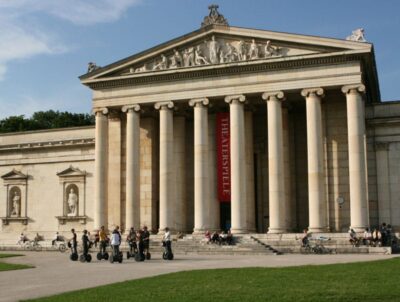
Munich 3-Hour Segway Tour: Nazi Munich & Royal Architecture
Read our review →
Guided Tour of the historic Town Hall on Marienplatz
Read our review →
Death and Chocolate: Walking Tour of Munich’s Old South Cemetery
Read our review →
Munich History Tour: Private & Personalized with a Local Guide
Read our review →
Munich and Nazi History Combination Day Tour Small Group
Read our review →
Private Sound-of-Music and Historic Salzburg Tour from Munich
Read our review →
Salzburg History & Food Private Tour with Munich train add-on
Read our review →Browse the lists this tour appears in