
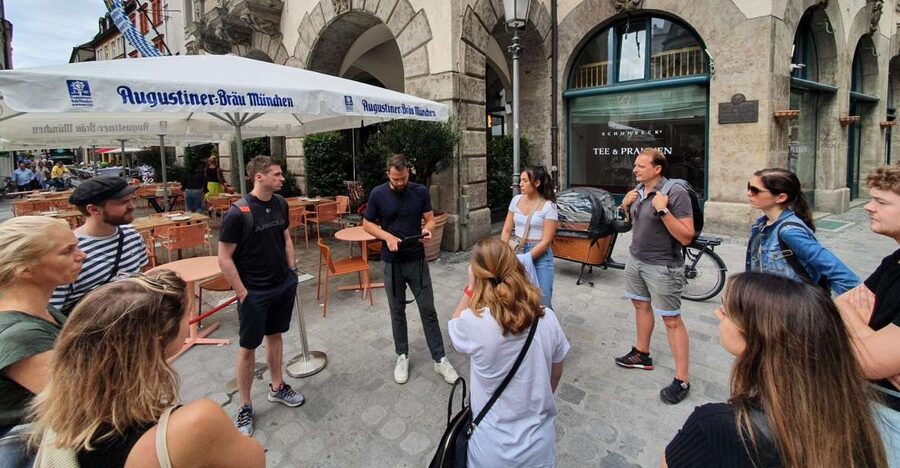
Reviewed · MUNICH THIRD REICH & WWII TOURS
Munich: Historical Walking Tour on the Rise of Hitler
Munich’s postcard image of beer halls, art, and grand squares hides a far darker story. This 2.5-hour walking tour follows the places where Hitler built his political career and where Munich became known as the capital of the Nazi movement. Alex, a Munich native, connects buildings and squares to the choices and events that allowed National Socialism to grow.
I like two things right away: the tour is arranged chronologically, which makes a difficult subject easier to follow, and Alex brings local knowledge rather than delivering a detached textbook lecture. I also like that the tour treats remembrance seriously without becoming stiff or joyless. The main consideration is language: the live tour is offered in German, so you’ll need strong German skills to get the full value.
Key points to know before booking
- Munich’s role comes first: The tour explains why this particular city became the early center of the Nazi movement.
- Alex leads the walk: He is a Munich-born professional guide who has studied the subject since his youth.
- The route uses real locations: Expect propaganda buildings, parade grounds, meeting places, and sites linked to wartime destruction.
- The story follows time order: You move from Hitler’s early political rise through the Nazi building boom and the war.
- Plan for nearly three hours: The advertised time is 2.5 hours, but the walk can run longer when questions and short pauses are included.
- Comfortable shoes matter: This is a rain-or-shine walking tour beginning at the Marian Column in Marienplatz.
Why Munich is the right place to study Hitler’s rise
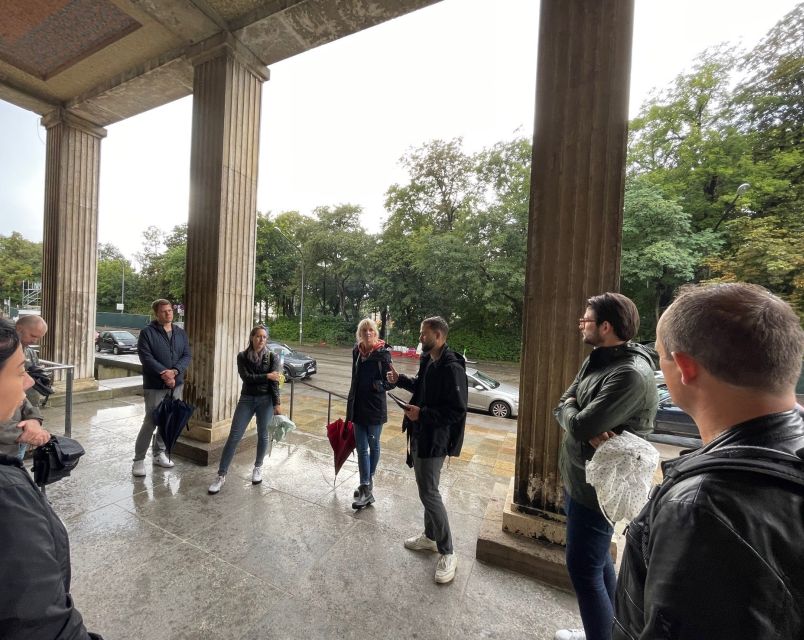
Munich was not simply a backdrop to Nazi history. It was where Adolf Hitler first developed his political identity, built alliances, delivered early speeches, and gained a following. The city’s role helps explain why Nazi leaders later gave Munich the loaded title of capital of the movement.
That local focus makes this tour more useful than a general account of the Third Reich. You are not only hearing about national events. You are looking at the city spaces where political ideas were performed, repeated, and turned into public spectacle.
The walk also asks a harder question: how could a major center of art and culture become the birthplace of such an inhuman dictatorship? Alex’s stated aim is to understand the conditions that made the rise of National Socialism possible, not to present Hitler as a mysterious figure who appeared from nowhere.
That approach matters. The tour is about political choices, public support, propaganda, and the misuse of civic spaces. It does not treat the past as a spooky story detached from ordinary life.
Other Third Reich and wartime history tours in Munich:
- Munich: Third Reich & WWII Walking Tour
★ 4.6 · 6,181 reviews - Third Reich Walking Tour Munich
★ 4.5 · 4,291 reviews - Munich: Birthplace of the Third Reich Guided Walking Tour
★ 4.6 · 771 reviews
Starting at Marienplatz with Alex
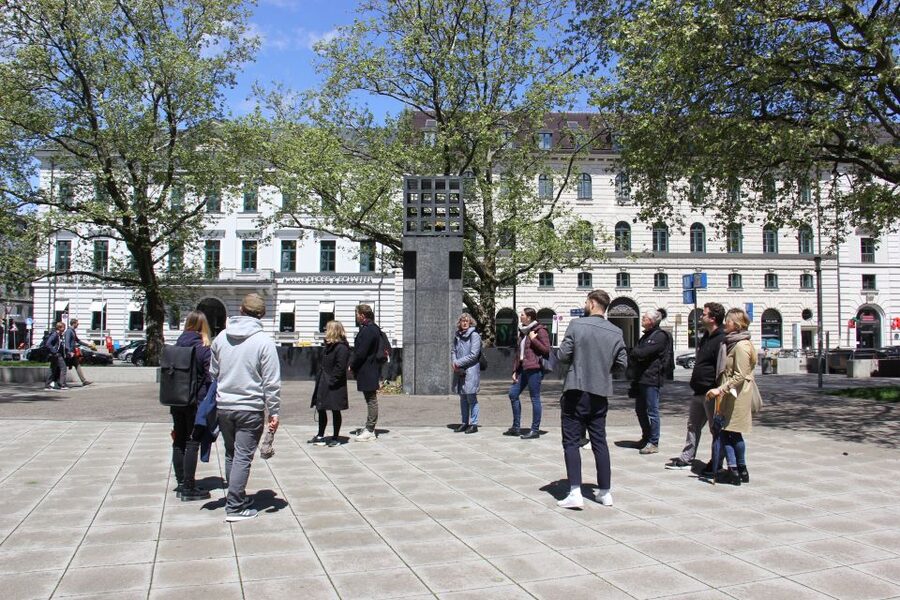
You meet at the Marian Column in Marienplatz, the large column with the small golden figure at its center. This is a clear central meeting point, but give yourself enough time to find the correct column in the busy square.
From here, Alex begins the story in Munich’s historic center. The exact route can vary with conditions, but the tour is built around the most important buildings and squares connected with the National Socialist period. Some were constructed for propaganda and administration. Others were used as places for speeches, parades, ceremonies, or political worship.
Alex was born and raised in Munich and is 32. His connection to the city gives the tour a personal local frame, while his long interest in the subject keeps the focus on history rather than sightseeing alone. He has been studying the topic since his youth, driven by a desire to understand how the dictatorship developed and how quickly it helped destroy Europe.
That personal motivation is useful when a subject becomes emotionally heavy. Alex aims to explain rather than simply condemn, though the human cost of the period remains central.
Following Hitler’s early political career
The first part of the walk deals with Hitler’s arrival in Munich and his transformation from an unknown Austrian soldier into a political leader. You follow the early stages of his public life and learn why Munich offered the setting in which his movement could take root.
This section is likely most valuable if your knowledge of Hitler begins with his later dictatorship. The tour fills in the earlier steps: the city where he began speaking, the places where the Nazi movement gathered support, and the way political theatre helped turn an extremist group into a force.
One specific stop mentioned in the route is the place where Hitler delivered his first speech. Seeing such a location changes the scale of the story. It reminds you that political movements grow through actual rooms, streets, and audiences, not only through later decisions made in grand government offices.
The chronological structure helps here. Instead of jumping between 1920s Munich, the war years, and the aftermath, Alex guides you through the sequence of events. That makes it easier to see how one stage created the conditions for the next.
Reading propaganda in Munich’s buildings
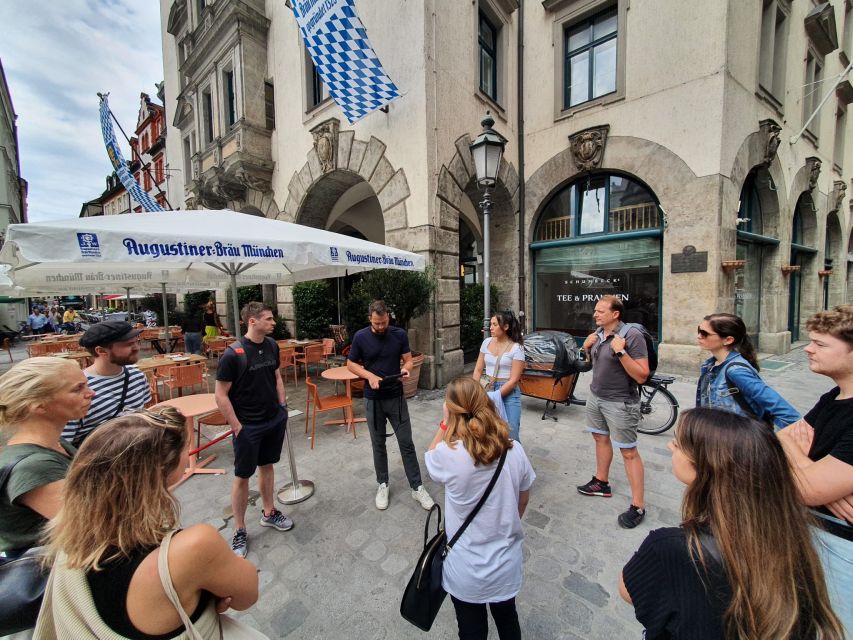
A major feature of the walk is Munich’s surviving Nazi-era architecture. The city experienced a building boom under the regime, with numerous propaganda buildings erected to give physical form to Nazi power. Many survived the war with relatively little damage and still shape the city center.
These buildings are not presented simply as impressive examples of architecture. Their purpose matters. Monumental scale, repeated symbols, formal spaces, and carefully planned public routes were used to make the regime appear permanent and powerful.
You will visit important buildings constructed by the National Socialists, as well as places that were misused for political ceremonies and public devotion. The value of seeing them with Alex is that you can consider both what they look like now and what they were designed to communicate at the time.
A building may appear ordinary or even grand when viewed without context. The guide’s explanation adds the missing layer: who commissioned it, how it was used, and how it fit into the regime’s public image. You also learn why these structures survived and why their presence continues to raise questions for modern Munich.
The tour does not turn architecture into a celebration of Nazi power. Instead, it shows how architecture helped sell an ideology.
More history tours in Munich:
- Munich 3-Hour Segway Tour: Nazi Munich & Royal Architecture
★ 4.9 · 194 reviews - Munich: Guided Tour of the historic Town Hall on Marienplatz
★ 4.8 · 63 reviews - Munich’s Hidden Architecture Guided Tour
★ 4.9 · 47 reviews - Death and Chocolate: Walking Tour of Munich’s Old South Cemetery
★ 5.0 · 35 reviews
The squares where politics became spectacle
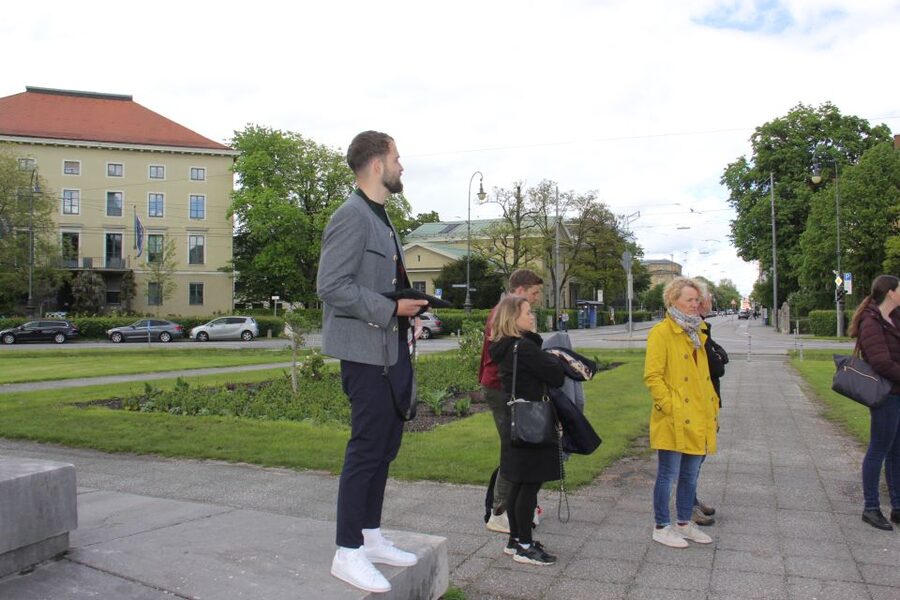
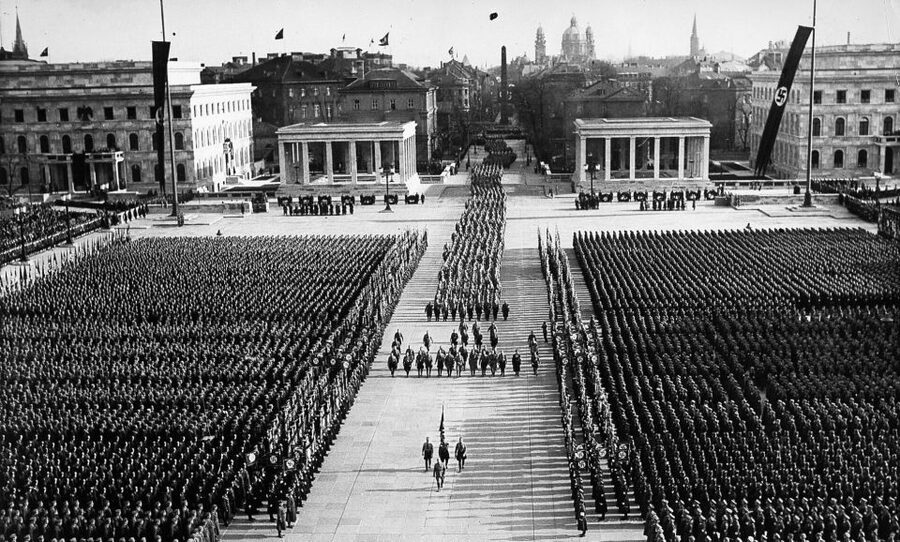
The route also includes squares and open spaces where the Nazis held parades and staged ceremonies. These locations help explain the difference between a private political meeting and a mass movement designed for public display.
Large gatherings gave the regime a way to project unity and control. Marching formations, speeches, flags, and carefully organized crowds made political loyalty visible. The setting itself became part of the message.
As you walk through these spaces today, the contrast can be unsettling. Munich’s streets now serve ordinary civic life, shopping, transport, and daily routines. Alex connects those same places to the period when they were used to command attention and enforce a sense of belonging.
This is one of the tour’s strongest educational features. You do not need to memorize dates to understand the point. You can see how public space was adapted to support propaganda and how a city’s familiar center became a stage for dictatorship.
From political rise to bombing and war
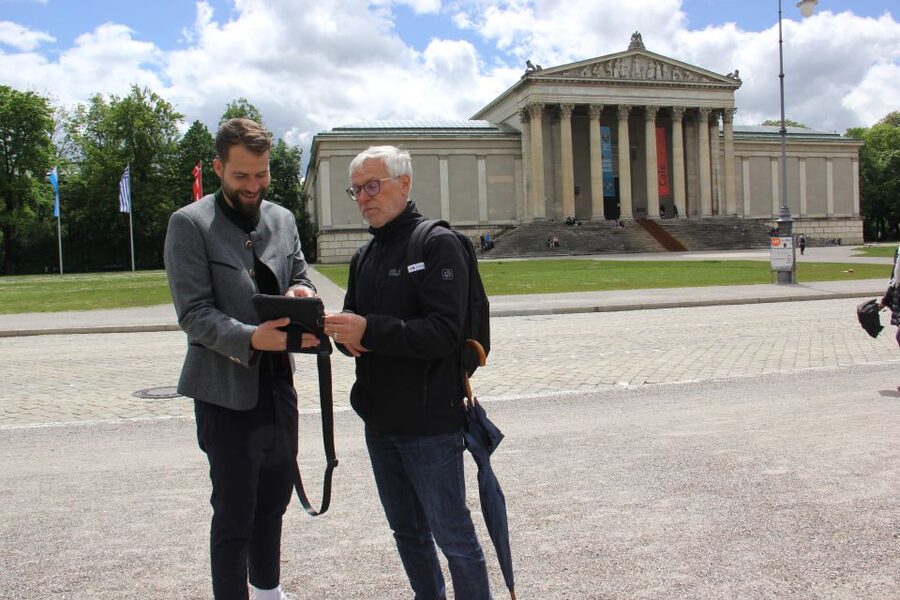
The later part of the story moves into the war years and the bombing of Munich. The tour visits places connected with the bombing war, showing how the city was affected by the conflict that Nazi Germany helped create.
This section prevents the tour from ending with Hitler’s rise. You also see the consequences of that rise: a city shaped by militarism, destruction, and the wider European catastrophe.
The walk’s chronological format is especially important here. It links the early speeches and political ceremonies with the later damage and suffering. You are encouraged to see cause and effect, rather than treating the war as a separate chapter.
The tour may run close to three hours when Alex allows time for questions and short breaks. That is longer than the stated 2.5 hours, but it can be a benefit if you want a fuller explanation. If you have another booking immediately afterward, leave a little space in your schedule.
A serious subject with room for human warmth
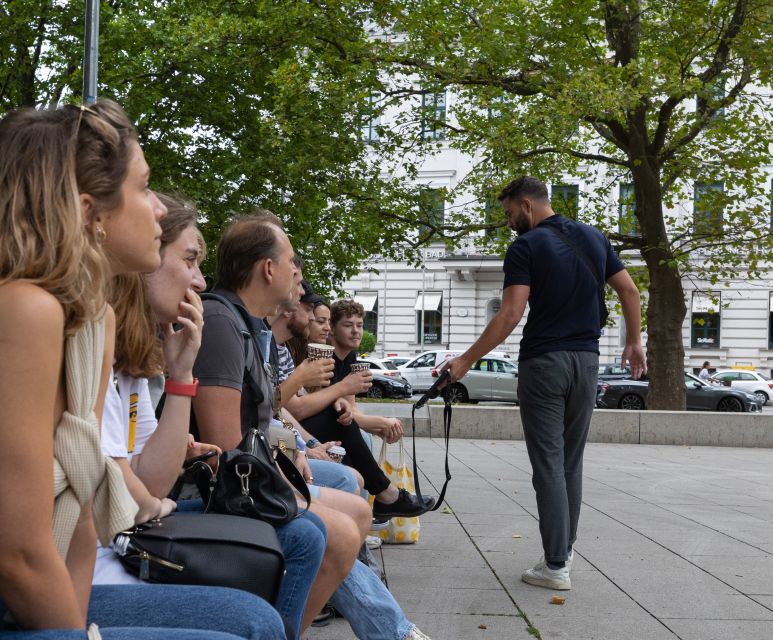
This is a difficult topic, but Alex does not believe a guided walk must feel grim every minute. He brings a relaxed manner and allows some humor, while keeping the subject from becoming shallow.
That balance is not easy. A tour about Hitler and the Nazi regime should never feel like entertainment built around cruelty. At the same time, a rigid presentation can make it harder for people to ask questions or stay engaged for several hours.
Alex’s approach appears to be conversational and attentive. He responds to questions, builds in brief pauses, and adjusts to the needs of the people on the walk. He also welcomes both Munich residents and visitors, so you do not need to be a history specialist.
For you, the practical result is a tour that suits different levels of background knowledge. If you already know the major events, the local sites and political context add detail. If you are new to the subject, the chronological route gives you a clear starting point.
What the $30 price gets you
At $30 per person, this is a reasonable price for a 2.5-hour specialist walking tour led by a local guide. You are paying for more than a stroll past historic façades. The value comes from the connections between places, dates, political decisions, and the way Munich’s public spaces were used.
The price looks particularly fair if you want a focused introduction to Nazi Munich without arranging several separate visits. Alex also provides personal suggestions for exploring Munich like a local, which can be useful after the walk.
There are limits. Hotel pickup is not included, and you will need to reach Marienplatz on your own. The tour is conducted in German, so non-German speakers should not book it expecting an English explanation.
The published duration is 2.5 hours, but allow extra time if the group asks questions or Alex includes additional pauses. One walk extended to almost three hours and still felt worthwhile to the people taking it, but a tight afternoon schedule could make that inconvenient.
You can cancel up to 24 hours ahead for a full refund, and the reserve-now, pay-later option keeps your plans flexible. Those policies are helpful in Munich, where weather and changing sightseeing plans can affect a walking day.
Practical advice for the walking route
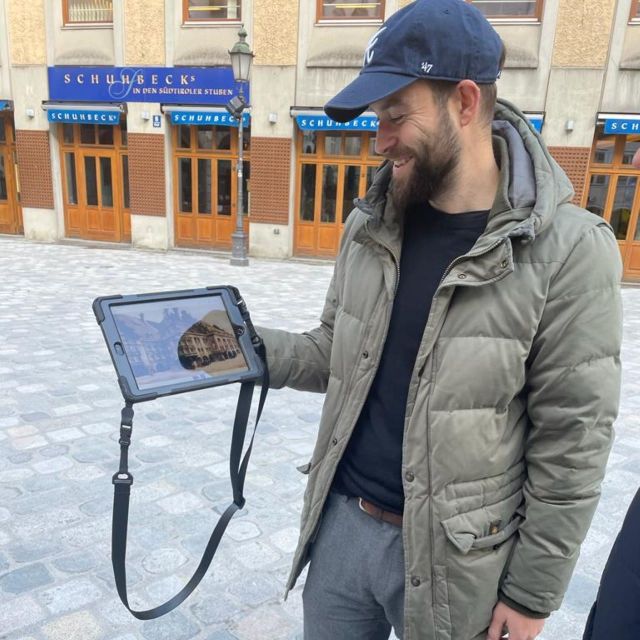
Wear comfortable shoes. The tour takes place outdoors and continues in rain or shine, so check the forecast and dress for changing weather.
The meeting point is central, but Marienplatz can be crowded. Look for the Marian Column, not a hotel or shop entrance. The column is the large monument with a small golden statue at the top of the square.
The tour is wheelchair accessible, which makes it a practical option for many visitors. Still, this is a city walk, so anyone with mobility concerns should feel free to ask Alex about the route and planned pauses before setting out.
Bring questions. This tour is not only a one-way lecture. Alex’s style includes responding to the group, and the subject benefits from asking about cause, responsibility, memory, and how Munich deals with these sites today.
I would also avoid placing this tour right before a museum reservation or train departure. The route is advertised at 2.5 hours, but the discussion can naturally extend.
Who will get the most from this tour
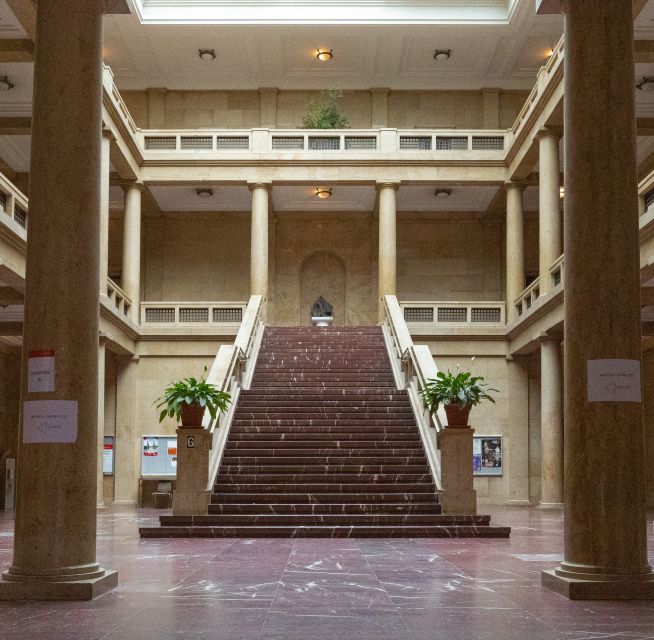
This walk is a strong choice for anyone interested in German politics, European history, or the way cities remember dictatorship. It is also useful for visitors who have already seen Munich’s main sights and want to understand the less comfortable story behind the city center.
It suits adults and older children who can engage with a serious subject. You do not need specialist training or a long reading list. Alex explains the historical development step by step.
Munich residents may find it worthwhile too. The route includes places that locals pass regularly, and the guide’s familiarity with the city can reveal details that are easy to miss on your own.
I would not choose it if you want a light sightseeing walk, an English-language tour, or a broad survey of every period in Munich’s history. This experience stays tightly focused on National Socialism and the city’s role in Hitler’s rise.
Should you book the Munich Nazi history walk?
Book it if you want a serious, place-based explanation of how Munich became the early center of the Nazi movement. Alex’s local roots, chronological storytelling, and willingness to answer questions give the walk a strong human scale.
The best reasons to choose it are the chance to see surviving propaganda buildings, understand how public squares were used, and connect Hitler’s early career with the later destruction of war. The $30 price is fair for the amount of time and specialist focus.
Skip it if your German is not strong enough for a detailed live presentation, or if you prefer a short overview with only famous sights. For everyone else, wear good shoes, keep your afternoon flexible, and expect Munich’s familiar center to look very different by the end.
FAQ
Where does the tour begin?
The tour begins at the Marian Column in Marienplatz. Look for the large column with the small golden statue in the middle of the square.
How long does the walking tour last?
The advertised duration is 2.5 hours. It can run closer to three hours when questions and short pauses are included.
What language is the tour in?
The live guided tour is conducted in German.
Is the tour wheelchair accessible?
Yes, the activity is listed as wheelchair accessible.
What should I bring?
Bring comfortable shoes. The tour takes place outdoors and runs rain or shine, so suitable clothing for the weather is also sensible.
Can I cancel the booking?
Yes. You can cancel up to 24 hours in advance for a full refund. A reserve-now, pay-later option is also available.
More Walks Through the Old Town
- Munich: Old Town & Viktualienmarkt City Walk in German
★ 4.7 · 2,304 reviews - Munich: Night Watchman Walking Tour
★ 4.7 · 2,092 reviews - Munich Ghosts and Spirits Evening Walking Tour
★ 5.0 · 1,900 reviews - Munich Old Town Walking Tour
★ 4.5 · 1,287 reviews
Recently reviewed in Munich
- München: Vegetarische Viktualienmarkt-Probiertour Deutsch★ 4.8 · 6 reviews
- Wright Europe Vacations – Private Escorted Auto Tours★ 5.0 · 35 reviews
- Best of Munich Electric Bike Tour★ 5.0 · 38 reviews
- Munich Walking Quiz: Explore and Discover the City’s Highlights★ 5.0 · 7 reviews
- Walking Tour on Resistance to Nazism in Munich★ 5.0 · 8 reviews
- Private Transfer from Munich to Salzburg with 2 hours for sightseeing★ 4.5 · 13 reviews
- Private Transfer from Munich to Vienna with 2 hours for sightseeing★ 4.5 · 6 reviews
- 2 hour Sights Guided E-Scooter Tour in Munich★ 4.0 · 6 reviews
Munich Third Reich & WWII Tours, compared.
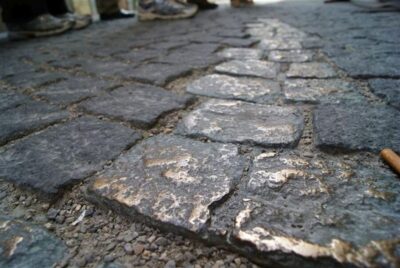
Birthplace of the Third Reich Guided Walking Tour
Read our review →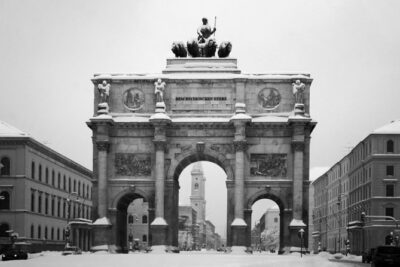
Munich World War II Sites Including Dachau Concentration Camp
Read our review →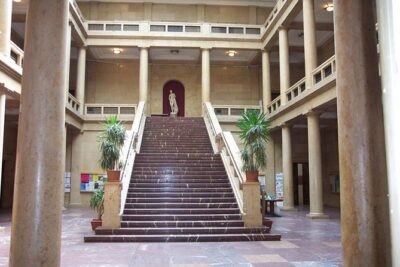
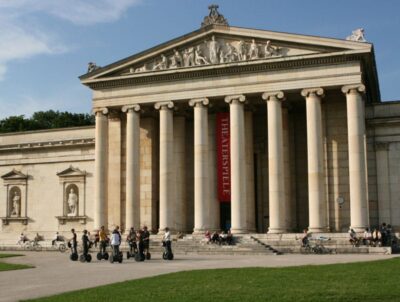
Munich 3-Hour Segway Tour: Nazi Munich & Royal Architecture
Read our review →
Dachau Concentration Camp Memorial Site And Third Reich Day Tour From Munich
Read our review →
Browse the lists this tour appears in