
Reviewed · MUNICH THIRD REICH & WWII TOURS
Munich: Resistance against Hitler – Historical Walking Tour
Munich was the birthplace of National Socialism, but this city also produced some of the bravest resistance to Hitler. On this two-hour walk, Alex leads you from Munich University to Odeonsplatz, linking famous stories such as the White Rose with lesser-known acts of courage.
I like the focus on original locations, including the university and the former Central Ministry. I also like that the tour reaches beyond the usual White Rose story to include Georg Elser’s lone bombing plan and a military plot against the Nazi regime. The main consideration is that the tour is conducted in German, so you need a strong grasp of the language to follow the detail.
Key points to know before you book
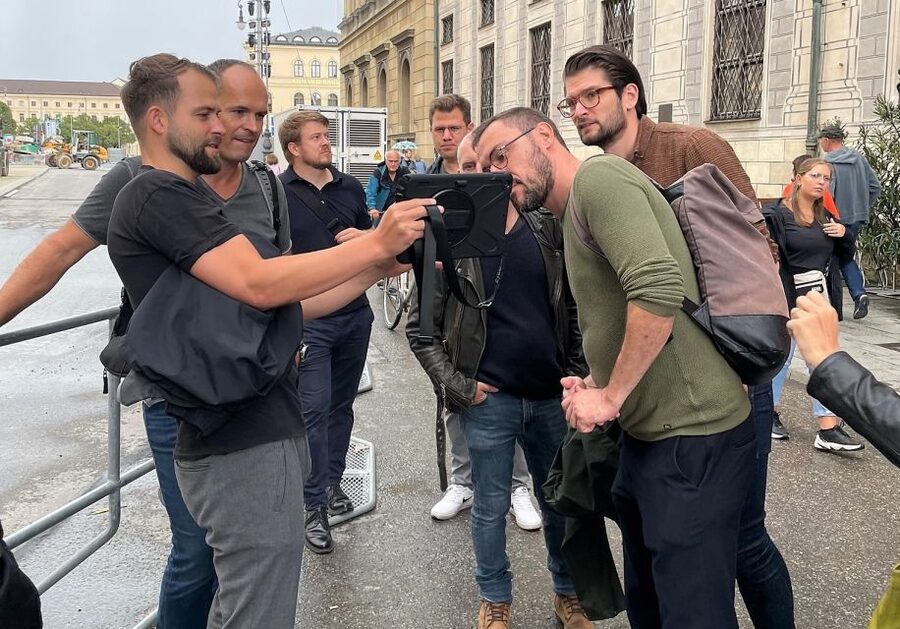
- Start at LMU: Meet by the large fountain outside the main entrance of Munich’s University at Geschwister-Scholl-Platz 1.
- Follow the White Rose: Learn how Munich students resisted the Nazi regime from the university buildings.
- Hear Georg Elser’s story: Discover how one determined man built a bomb intended to kill Hitler.
- Visit a coup site: See the original setting connected with a dramatic military plot against the Nazis.
- Walk with Alex: Your guide is a Munich local whose lively presentation and historical knowledge have earned strong praise.
- Plan for all weather: The tour runs rain or shine, so comfortable shoes and suitable clothing matter.
Why Munich is the right place to study resistance

Munich is not a neutral backdrop for this subject. Hitler gave some of his first speeches here, the Nazi Party was founded here, and the city became a major center of Nazi propaganda. Walking through Munich forces you to hold two facts in your mind at once: this was a city tied closely to Hitler’s rise, and it was also home to people who rejected him at enormous personal cost.
That contrast gives the tour its power. You are not studying resistance in a distant museum room. You are moving through streets and squares where students, soldiers, officials, and ordinary citizens made choices under a brutal dictatorship.
The stories are serious, and some are tragic. Yet the tour is not simply a march through defeat. It shows the different ways people resisted, from secret military planning to private assassination attempts and the public distribution of leaflets by young university students.
That range is important. Resistance was not one organized movement with a single plan. It included people from very different backgrounds, with different motives and different ideas about what Germany should become after Hitler.
Other Third Reich and wartime history tours in Munich:
- Munich: Third Reich & WWII Walking Tour
★ 4.6 · 6,181 reviews - Third Reich Walking Tour Munich
★ 4.5 · 4,291 reviews - Munich: Birthplace of the Third Reich Guided Walking Tour
★ 4.6 · 771 reviews
Beginning at the Munich University fountain
The meeting point is the large fountain in front of the main entrance to Ludwig Maximilian University, usually called LMU. The address is Geschwister-Scholl-Platz 1, a central location that is easy to identify once you are at the university entrance.
Arrive ready to walk. The tour lasts about two hours, and comfortable shoes are specifically recommended. Hotel pickup is not provided, so you will need to make your own way to LMU and arrange your return from Odeonsplatz.
Starting here is more than a practical choice. The university is one of the main locations in Munich’s resistance story, especially the story of the White Rose. The setting gives immediate meaning to the discussion. These were not distant political figures. They were students using classrooms, corridors, and public spaces to oppose a regime that had made dissent dangerous.
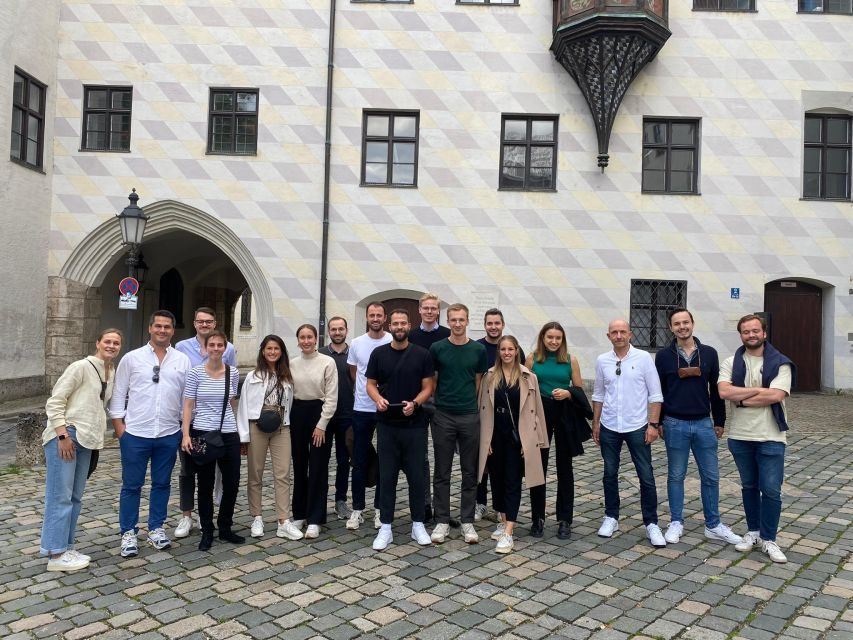
Alex is the guide for the tour. He is a Munich local with a strong interest in the city’s past, and the material is presented in German. His approach, based on the available feedback, is friendly and open rather than stiff or formal. He is also prepared to answer questions, which matters on a subject with many names, dates, motives, and connections.
The White Rose at the heart of the university
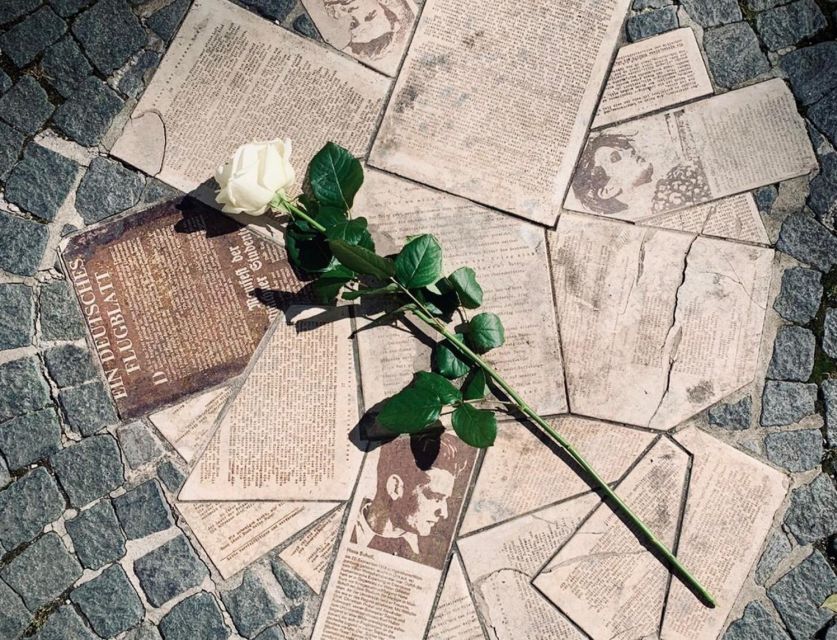
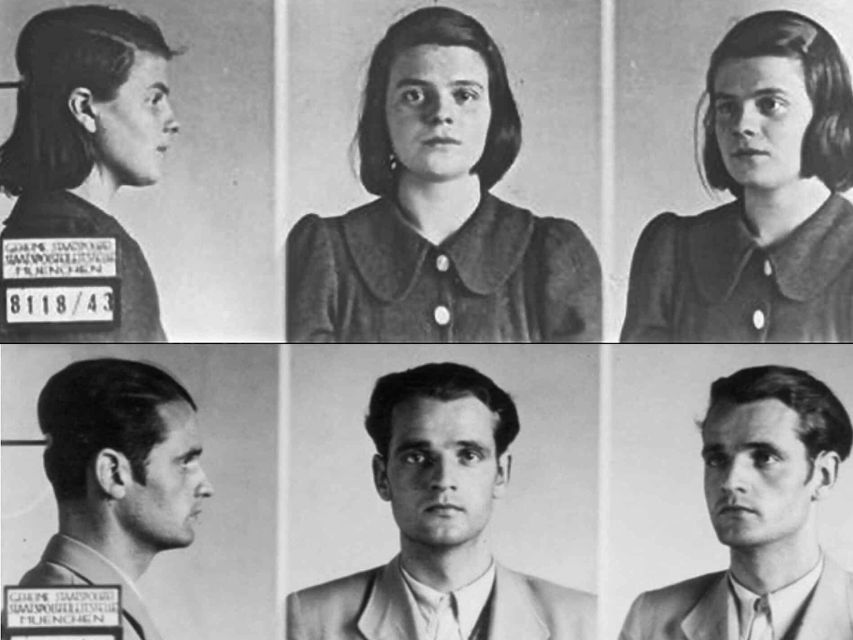
The White Rose is Germany’s best-known resistance group, and it receives an important part of the tour. The group was linked to students at LMU who produced and distributed leaflets challenging the Nazi government.
The university setting helps you understand the risk involved. These young people were not protected by distance or anonymity. They acted in a society where surveillance, denunciation, arrest, and execution were real threats.
A good guide can turn familiar names into human stories, and Alex’s presentation appears to do just that. The tour does not treat the White Rose as a simple symbol of courage. It places the group within the wider climate of fear and silence that shaped daily life in Nazi Germany.
You also learn that Munich’s younger generation was not uniformly passive. Some young people were prepared to resist even when many older citizens deliberately looked away. That point adds useful balance. It avoids the easy idea that resistance belonged only to a few famous heroes, while everyone else had no choice.
The university stop is likely to be the most emotionally direct part of the walk. You are standing at the center of a student resistance story, and the surrounding city continues its normal modern life. That contrast can be unsettling, but it is also why a walking tour works so well here.
From famous names to less familiar acts of courage
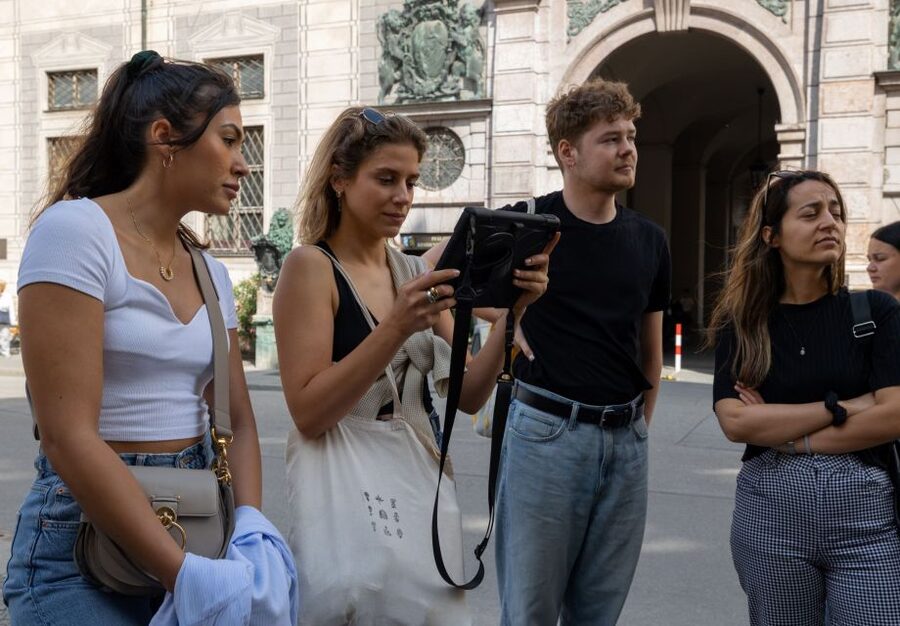
One of the tour’s strengths is its wider range of stories. If your current knowledge begins and ends with the White Rose, you will get a fuller picture of resistance by the end of the walk.
The tour includes people and movements that are less familiar outside Germany. Some worked within military or government circles. Others acted alone. Their plans did not always succeed, and their political goals were not always identical to one another.
That distinction matters. Opposing Hitler did not automatically mean sharing the same vision for democracy, human rights, or Germany’s future. Some opponents wanted to remove Hitler because they saw his war and crimes as catastrophic. Others resisted for moral, religious, political, or personal reasons.
Alex’s role is especially useful here because he can connect the separate stories rather than presenting them as isolated incidents. One story can show the danger of public opposition. Another can show the difficulty of organizing a secret plot. A third can reveal how much planning was required for a lone person to act.
The result is a more honest view of resistance. It was brave, but it was also fragmented, dangerous, and often unsuccessful.
More history tours in Munich:
- Munich 3-Hour Segway Tour: Nazi Munich & Royal Architecture
★ 4.9 · 194 reviews - Munich: Guided Tour of the historic Town Hall on Marienplatz
★ 4.8 · 63 reviews - Munich’s Hidden Architecture Guided Tour
★ 4.9 · 47 reviews - Death and Chocolate: Walking Tour of Munich’s Old South Cemetery
★ 5.0 · 35 reviews
Georg Elser and the lone assassination plan
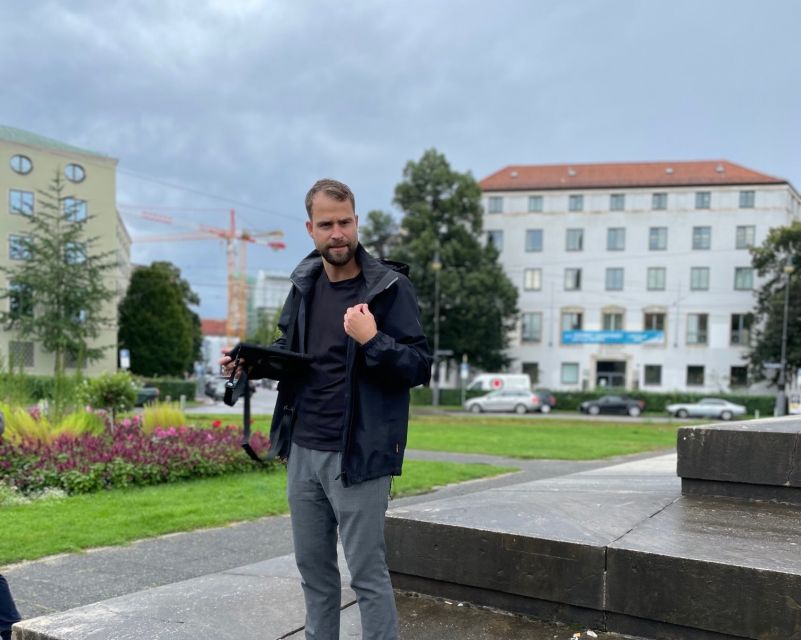
A particularly striking part of the walk concerns the man who built a bomb to kill Hitler. This is the story of Georg Elser, a solitary opponent who planned an assassination without the backing of a large organization.
The appeal of this story lies in its focus on preparation and persistence. Elser did not simply make a public gesture. He constructed a bomb and developed a plan aimed at Hitler, taking on a task that required patience, technical skill, and a willingness to accept extraordinary personal danger.
The tour brings this story into the wider pattern of resistance. A lone attempt looks very different from the student actions of the White Rose or the military planning discussed later. Yet all three show people trying to act when the machinery of the Nazi state seemed almost impossible to challenge.
You may find this one of the tour’s most memorable sections because it moves away from the better-known group narratives. It also raises a difficult question: how far can one person go when institutions, neighbors, and the wider public fail to stop a dictator?
The information provided does not promise a dedicated indoor visit or a museum display connected with Elser. You should expect the story to be explained at a relevant historical location during the walk, not a separate exhibition experience.
The former Central Ministry and the machinery of power
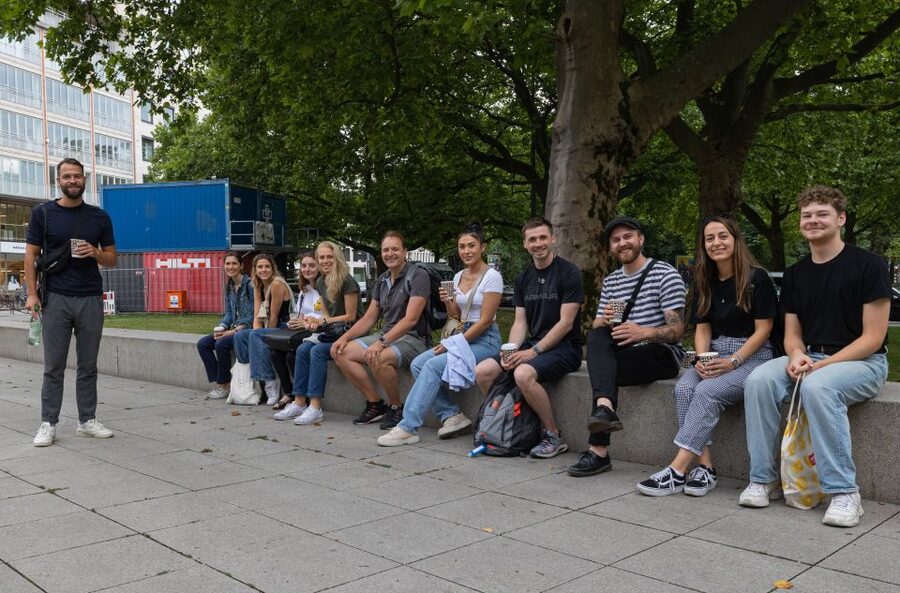
The route continues to the former Central Ministry, another original historical site included in the walk. The exact discussion at this stop depends on the guide’s presentation, but its purpose is clear: to connect the personal stories of resistance with the institutions that supported Nazi rule.
This is where the tour can help you see that dictatorship was not maintained by one man alone. Ministries, officials, soldiers, police, and administrators formed part of a system that spread propaganda, enforced obedience, and punished opposition.
Studying resistance at a former government site brings out the practical problem faced by anyone trying to oppose Hitler. The danger was not limited to the top leadership. The state had offices, records, laws, informers, and enforcement agencies. A person who resisted was challenging a large network, not merely a political speechmaker.
I like this part of the route because it widens the focus. The White Rose gives the tour a powerful human center, but a government site helps explain why their actions were so risky.
The tour is still a walking experience, not a museum program. You will not be stopping for long at every site, and you should expect the guide to build a connected story as the route progresses.
The military coup at its original setting
The final section of the walk leads toward Odeonsplatz and includes the story of a secret military plot against the Nazi regime. This is one of the tour’s most dramatic elements because it shows resistance from inside the military and political establishment.
The phrase military coup can sound tidy on paper. In practice, such a plot required coordination, secrecy, access to power, and a plan for what would happen after Hitler was removed. The tour uses the original setting to explain that tension.
Odeonsplatz is also a fitting final stop. It is a beautiful and important Munich square, but its appearance does not tell you much about the events connected with it. That is one of the useful things about a historical walk: familiar public spaces gain another layer of meaning.
Finishing here gives the tour a clear shape. You begin with student resistance at LMU, move through individual and institutional opposition, and end with a plan involving senior figures and military power.
Do not expect a triumphant ending. The stories are about courage under terrible conditions, but many ended in arrest, execution, or failure. The hopeful element comes from the fact that people did act, even when they had little reason to believe they would win.
Alex’s style and the value of a local guide
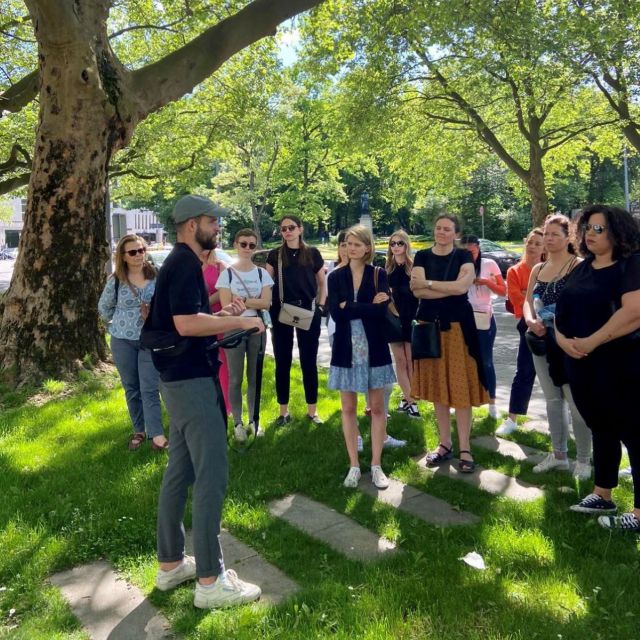
Alex’s local connection is one of the strongest reasons to choose this walk. The subject needs more than dates and names. You need someone who can explain how the sites fit into Munich today and why they still matter.
The available feedback points to several qualities that shape the experience. Alex is described as sympathetic, passionate about history, well prepared, and able to explain lesser-known events clearly. He also uses unusual historical images connected with the places on the route, which can help bridge the gap between the modern street and the wartime setting.
That visual material is especially useful on an outdoor tour. Buildings change, streets are repaired, and public squares continue to serve ordinary modern purposes. An old photograph or document can help you understand what you are looking at without pretending that the present city has been frozen in time.
The atmosphere is described as relaxed even though the subject is very serious. That is a good balance. A guide who is too casual can make the material feel shallow, while a guide who is too solemn can make it hard to ask questions. Alex’s friendly manner appears to leave room for both respect and conversation.
The tour is in German, so this benefit depends on your language ability. If you need English, the supplied information does not indicate that an English-language version is available.
Price, timing, and practical value
At $28 per person, this is a reasonable price for a fully guided two-hour walk with a specialist subject. You are paying for the guide’s preparation and interpretation, not for admission to a museum or a collection of included attractions.
The value is highest if you want context. You can walk past LMU, government buildings, and Odeonsplatz on your own, but the sites will not explain themselves. Alex’s job is to connect them to people, plans, and decisions that are easy to miss.
The two-hour length also makes the tour easy to fit into a Munich visit. It is long enough to cover several resistance movements without taking over an entire day. You can plan other activities before or after it, though you should allow time to reach the start and continue from the final stop.
The experience includes personal recommendations for exploring Munich like a local. That can be useful if you want to continue with historical sightseeing after the tour, though the specific recommendations are not listed in advance.
Booking is flexible: you can reserve now and pay later, and cancellation is free up to 24 hours before the tour for a full refund. Those terms matter if your Munich schedule is still shifting.
Who will get the most from this walk
I would choose this tour if you want to understand how resistance worked at different levels. It suits visitors who already know the basic White Rose story and want more about lesser-known individuals, military planning, and the political setting around Munich.
It is also a good fit for students, history-minded visitors, and anyone who prefers real places to a standard sightseeing loop. The route gives you a stronger sense of the city’s moral and political past than a general tour can provide.
You should think twice if you want a light introduction to Munich, an English-language tour, or a mostly indoor experience. This is a serious subject, the tour runs in German, and it takes place outdoors in all weather.
The route is wheelchair accessible, which makes it more practical for visitors who need step-free access. Still, the experience remains a walking tour, so it is sensible to confirm the route details if you have specific mobility needs.
Should you book the Resistance Against Hitler walk?
Book it if you want a focused, two-hour look at Munich’s role in both the rise of Nazism and the resistance against it. The combination of LMU, the White Rose, Georg Elser, the former Central Ministry, the military plot, and Odeonsplatz gives the tour a strong arc.
Alex appears to be at his best when explaining lesser-known stories and answering questions. That makes this more than a list of memorial stops. You will leave with a better sense of how varied resistance was, and you may look at familiar Munich streets differently afterward.
Skip it if you need an English tour or prefer cheerful sightseeing. For the right audience, though, $28 buys a serious and personal history lesson in the very places where these events unfolded.
FAQ
Where does the tour start?
The tour starts at the large fountain in front of the main entrance to the University of Munich, LMU. The address is Geschwister-Scholl-Platz 1.
Where does the tour finish?
The final stop is Odeonsplatz in Munich.
How long does the tour last?
The walking tour lasts about two hours.
What language is the tour conducted in?
The live guided tour is conducted in German.
Is the tour wheelchair accessible?
Yes, the tour is listed as wheelchair accessible.
What happens if it rains?
The tour takes place rain or shine. Bring suitable clothing and wear comfortable shoes.
More Walks Through the Old Town
- Munich: Old Town & Viktualienmarkt City Walk in German
★ 4.7 · 2,304 reviews - Munich: Night Watchman Walking Tour
★ 4.7 · 2,092 reviews - Munich Ghosts and Spirits Evening Walking Tour
★ 5.0 · 1,900 reviews - Munich Old Town Walking Tour
★ 4.5 · 1,287 reviews
Recently reviewed in Munich
- München: Vegetarische Viktualienmarkt-Probiertour Deutsch★ 4.8 · 6 reviews
- Wright Europe Vacations – Private Escorted Auto Tours★ 5.0 · 35 reviews
- Best of Munich Electric Bike Tour★ 5.0 · 38 reviews
- Munich Walking Quiz: Explore and Discover the City’s Highlights★ 5.0 · 7 reviews
- Walking Tour on Resistance to Nazism in Munich★ 5.0 · 8 reviews
- Private Transfer from Munich to Salzburg with 2 hours for sightseeing★ 4.5 · 13 reviews
- Private Transfer from Munich to Vienna with 2 hours for sightseeing★ 4.5 · 6 reviews
- 2 hour Sights Guided E-Scooter Tour in Munich★ 4.0 · 6 reviews
Munich Third Reich & WWII Tours, compared.
Birthplace of the Third Reich Guided Walking Tour
Read our review →
Munich World War II Sites Including Dachau Concentration Camp
Read our review →
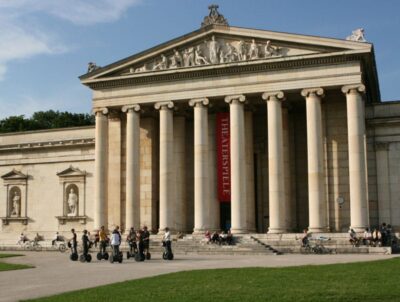
Munich 3-Hour Segway Tour: Nazi Munich & Royal Architecture
Read our review →
Dachau Concentration Camp Memorial Site And Third Reich Day Tour From Munich
Read our review →
Browse the lists this tour appears in