
Reviewed · DACHAU MEMORIAL TOURS
Private Dachau Concentration Camp Memorial Site Tour from Munich
Dachau is not a sightseeing stop in the usual sense. It is a place for careful attention, quiet reflection, and honest questions. This private tour follows the prisoners’ path from arrival and administration through daily life, punishment, death, and liberation. I especially like the four hours at the memorial site, which gives the subject the time it deserves, and the chance to hear individual survivor stories rather than only dates and statistics.
The private format also lets you choose a start time and set the pace with your guide. Guides such as Adam, Markus, and Marcin have been praised for clear explanations, patience, and empathy. The main drawback is the price: at $260.72 per person, this costs far more than joining a standard group visit. The subject is also emotionally demanding, so it is best approached with the right frame of mind.
Key points to know before booking
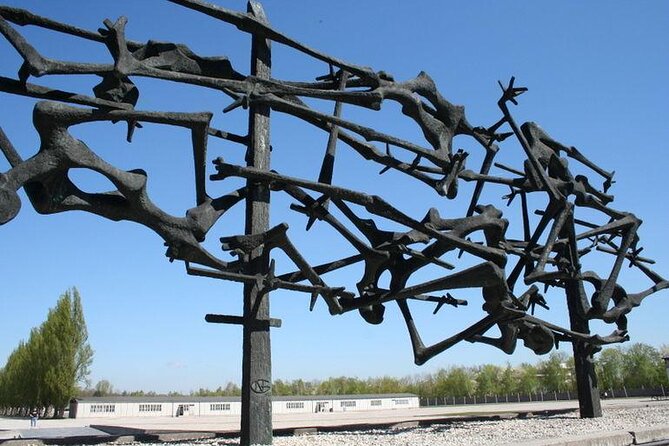
- Follow the prisoner path: The route is shaped around the recommendations of the Comite International de Dachau, a survivor group involved in creating the memorial museum.
- Allow five to six hours: About one hour is spent reaching Dachau, four hours at the memorial site, and one hour returning to Munich.
- Travel privately by public transit: Pickup and return are available from selected hotels, apartments, Airbnb addresses, or Munich Central Station when arranged in advance.
- Ask for a guide by name: Adam, Markus, Marcin, and other guides are praised for personal attention, thoughtful answers, and strong command of the subject.
- Children must be at least 13: This is a memorial-site rule, and proof of age may be requested.
- Expect an all-weather visit: Wear smart-casual clothing and shoes suitable for several hours of walking.
Why this Dachau visit needs more than a quick stop
Dachau was the first regular concentration camp built by the Nazi regime, and it later became a model for the wider camp system. The point of this tour is not simply to show you a few buildings. It explains how the camp system developed, how Dachau influenced other camps, and how ordinary routines were turned into tools of control.
That structure matters. Without guidance, you might see the gate, barracks, museum, crematoria, and memorials as separate pieces. Your guide connects them into a clear sequence. You learn what happened when prisoners arrived, how the camp administration worked, what daily life looked like, and how the system treated people as numbers rather than individuals.
The route also addresses the different types of camps that existed. That helps you understand that Nazi detention sites did not all have the same purpose or conditions, even though they were part of the same system of persecution and violence.
The discussion does not stop in 1945. You also examine how German society has dealt with this past and how the memorial site became a place of learning. That modern context is useful because Dachau is not only a preserved historical site. It is also part of an ongoing conversation about memory, responsibility, and education.
Other guided visits to the Dachau memorial site:
- Dachau Concentration Camp Memorial Site Tour from Munich by Train
★ 4.5 · 5,637 reviews - From Munich: Dachau Memorial Site Day Tour
★ 4.8 · 2,723 reviews - From Munich: Dachau Memorial Site Half-Day Trip
★ 4.7 · 2,526 reviews
Meeting in Munich and taking the train to Dachau
The standard meeting point is at Munich Central Station, at Bahnhofstraße 1. If you are staying at a selected hotel, Airbnb, or private apartment, pickup may be possible. You need to provide the address when booking so the operator can confirm if the location works.
The journey to Dachau is made on Munich’s public transit system. The trip from the station area takes about one hour as part of the stated itinerary. That may sound less convenient than a private vehicle, but it gives your guide a useful chance to explain the local rail system and the route ahead.
Several guides have also helped with practical Munich questions during the journey. Adam, for example, has been praised for explaining the rail network and pointing out additional city sights. This is a small benefit, but it can make the first day or two in Munich easier.
You return by public transit at the end of the day. The tour ends at Munich Central Station or at your accommodation, depending on the pickup arrangement. Build in the full five to six hours rather than trying to squeeze this visit between tightly timed activities.
Arriving at the Dachau Memorial Site
The first stop listed in the route is DB Reisezentrum Dachau Bahnhof, followed by the former concentration camp memorial site. Admission to the transit portion is included, and the memorial site itself has no separate admission charge in the tour details.
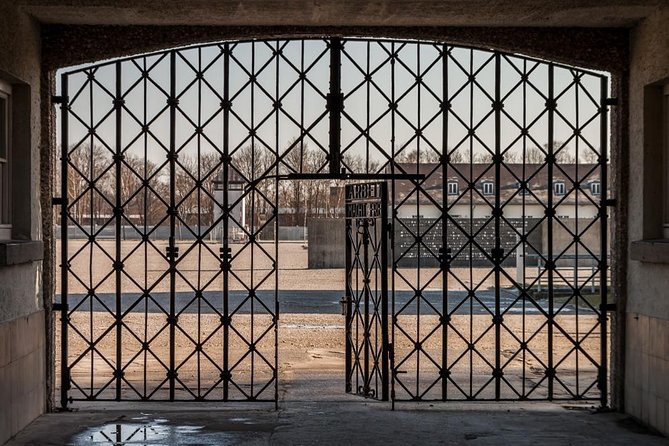
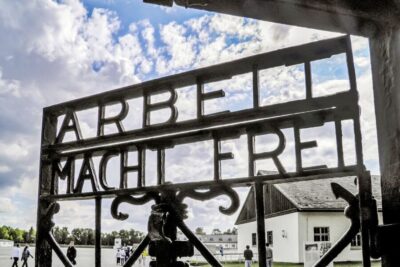
Once you arrive, the guide takes you through the memorial complex using the prisoner route. This is important because the order gives shape to the visit. You do not simply wander among the surviving buildings. You follow the same broad progression that prisoners experienced, from arrival to registration, confinement, forced daily routines, and the final areas of the camp.
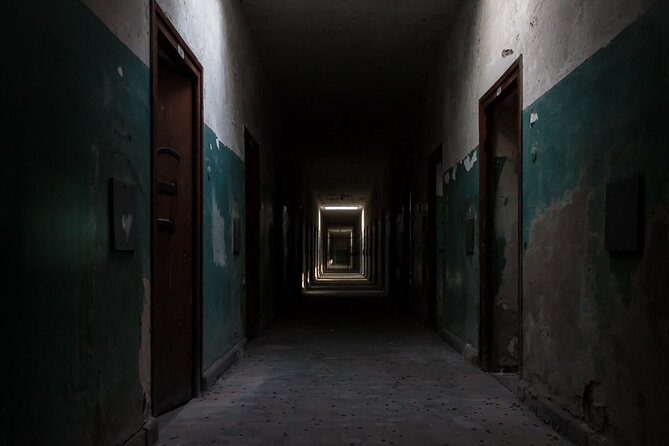
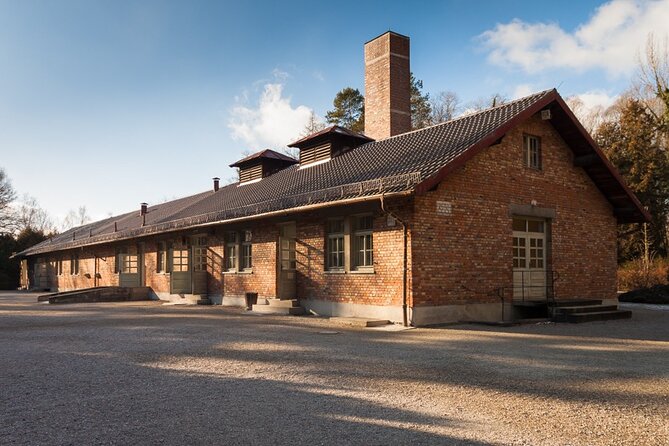
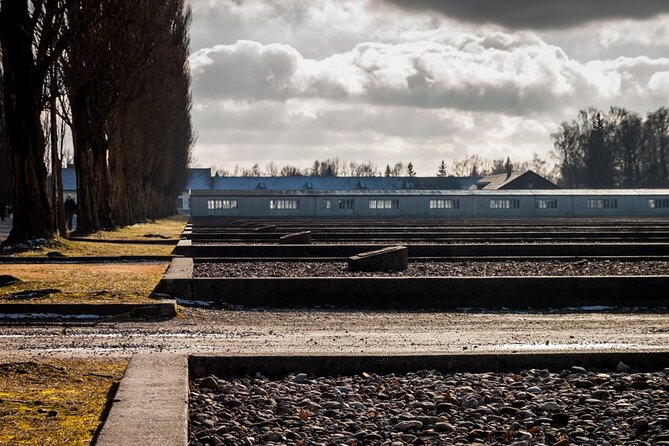
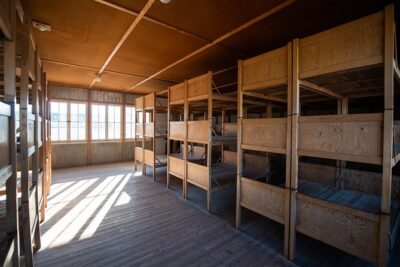
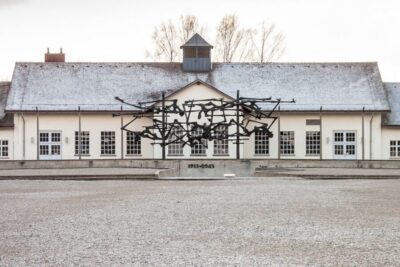
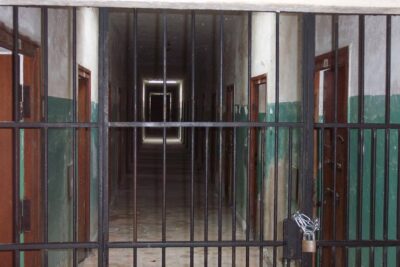
The site includes original buildings, the museum complex, the crematoria, and the original gas chamber. The material is difficult. You should expect a serious, quiet experience rather than a casual museum outing.
Your guide can explain what you are seeing and answer questions as they arise. That private setting is one of the strongest reasons to consider paying more. You can pause when a topic needs more explanation, ask about a detail that catches your attention, or move at a pace that suits your group.
Four hours following the prisoners’ path
The main visit lasts about four hours. That is enough time to give the museum and grounds proper attention without making the day feel rushed.
The route begins with arrival and administration. You learn how prisoners entered the camp system and how the administration recorded, categorized, and controlled them. This early part of the visit helps show how bureaucracy supported the larger machinery of persecution.
From there, the tour turns to daily life. You discuss camp organization, living conditions, work, discipline, and the evolution of the concentration camp system. The guide also explains why Dachau became a model camp. These details help you see how a system can become normalized through rules, paperwork, routines, and layers of authority.
The route then addresses death and the crematoria. This is among the hardest material on the tour. The guide’s role is especially important here, since the buildings and displays can raise questions that are difficult to answer from labels alone.
Individual survivor stories add a human scale. Instead of treating Dachau as an abstract event, these accounts remind you that each prisoner had a life, a family, a name, and a personal experience of the camp. The supplied tour details specifically emphasize survivor stories, and this is one of the most meaningful parts of the visit.
The Comite International de Dachau helped shape the memorial museum and supported the idea of following the prisoner path. That connection gives the route added purpose. You are not being led through a random collection of exhibits. The visit follows a structure shaped in part by people who survived the camp.
A few more Munich tours worth comparing
- Munich Private Tour with a Local – Highlights & Hidden Gems
★ 5.0 · 469 reviews - Mike’s Neuschwanstein & Linderhof Private Tour from Munich
★ 5.0 · 197 reviews - Dachau Concentration Camp Private Tour by Train from Munich
★ 5.0 · 185 reviews - Fall in Love with Munich in a Private Old Town Walking Tour
★ 5.0 · 182 reviews
What the private format adds
A private tour is most useful at a place like Dachau because the subject affects people differently. One person may want more background on Nazi policy. Another may have a family connection to the war or liberation. Someone else may need extra time in the museum or prefer fewer explanations during the most painful sections.
Guides have adjusted visits for families spanning three generations, answered questions about both the past and current events, and tailored the pace to the group. Marcin has also helped arrange a mobile scooter for a participant who could not walk the full length of the site. That kind of attention is not guaranteed in every private tour, but it shows why a personal guide can matter here.
You can also ask for more detail than you would normally get in a large group. Markus has been praised for taking time with questions and explaining the Nazi period in a way that worked for both adults and teenagers. Adam has been described as having a personal connection to a Dachau survivor, which may add a particularly human dimension to his explanations.
Guide assignments can vary, so you should not assume you will receive a particular person unless the operator confirms it. If a named guide is important to you, ask about Adam, Markus, Marcin, Tom, Sam, Scott, Keith, Nik, or Mat when you book. The guide roster is not presented as fixed, but these names have been associated with especially strong experiences.
Is $260.72 per person fair value?
The price is high for a half-day outing, especially if you are traveling alone or as a couple. Public transit and memorial-site admission do not account for the full cost. You are paying mainly for a private guide, planning, pickup options, and several hours of focused interpretation.
For a family or small group, the value improves because the price is per person but the guide’s attention is shared only within your party. You also avoid the uncertainty of finding the station, choosing the correct connections, and working out the route back to Munich on your own.
I would not choose this tour simply to save time. The journey takes about an hour each way, and the memorial visit itself takes four hours. I would choose it because I want thoughtful guidance and the chance to ask questions without a large group around me.
The 4.9 rating from 46 reviews and 100 percent recommendation mark suggest a consistently strong experience, but the price still deserves careful thought. If you are comfortable reading the museum material independently and do not need transport help, a standard visit may suit your budget better. If you want a private, structured visit with a guide who can explain difficult material in context, the added cost is easier to justify.
Practical details that affect your day
The tour operates in all weather. Dachau is therefore not an activity to pair with light clothing and delicate shoes simply because the forecast looks pleasant. Wear smart-casual clothes suitable for the season and shoes that can handle several hours of walking.
A moderate level of physical fitness is recommended. The memorial site is extensive, and the itinerary includes the station journey, transfers, and a long guided visit. If someone in your group has mobility limits, mention this ahead of time. A mobile scooter has been arranged for a participant before, but you should not assume it is automatically available.
Children must be 13 or older. This is not just a suggested age range. The memorial site does not permit children 12 and under to take part. Bring proof of age, since a passport or student ID may be requested.
Food and drinks are not included. Plan to eat before or after the visit, or ask your guide about the timing of a suitable break. The tour details do not promise a meal stop, so do not count on lunch being built into the schedule.
Confirmation is normally sent at booking. If you book within seven days of travel, confirmation may take up to 48 hours and depends on availability. Free cancellation is allowed up to 24 hours before the start time. Changes or cancellations inside that window are not accepted and are not refunded.
Who will appreciate this tour most?
This tour suits first-time visitors to Dachau who want more than a quick look. It is also a strong choice for families with older teenagers, provided everyone understands the serious nature of the visit.
You may find it especially useful if you have a family connection to the war, the camp’s liberation, or German history. One participant visited because a relative had been part of the Army group that liberated Dachau. A private guide can give that kind of personal reason the time and attention it deserves.
It also works well for English-speaking visitors who want detailed explanations. The experience is offered in English, and several guides have been praised for clear speech, patience, and careful answers.
This is less suitable if you want a light morning activity, a fast photo stop, or a tour with young children. Dachau asks for concentration and respect. Give it a full half-day and plan something less demanding afterward.
Should you book the private Dachau tour?
I would book this tour if you want a carefully ordered visit, personal guidance, and enough time to ask hard questions. The survivor stories, original buildings, prisoner-route structure, and discussion of Germany’s continuing work of remembrance give the day real weight.
I would skip it if the $260.72 price per person strains your budget or if you prefer to explore museums alone. For everyone else, the private format offers a meaningful advantage: your guide can explain, pause, adapt, and give the site the seriousness it requires.
Ask about pickup, your preferred departure time, and the guide assigned to your group. Wear practical clothing, bring proof of age for younger participants, and leave space in your schedule afterward. This is a visit you should approach slowly, not squeeze between two cheerful Munich attractions.
FAQ
How long does the private Dachau tour take?
The experience lasts approximately five to six hours. About one hour is allocated to travel to Dachau, four hours to the memorial site, and one hour to return to Munich.
Where does the tour start?
The listed meeting point is Bahnhofstraße 1, 80335 München, Germany, at Munich Central Station. Pickup may also be available from selected hotels, Airbnb addresses, and private apartments if arranged in advance.
Where does the tour end?
The tour ends back at the original meeting point or at your accommodation, depending on the pickup arrangement.
Is transportation included?
Yes. The tour includes transport on Munich’s public transit system, including the journey between Munich and Dachau.
Is admission to the Dachau Memorial Site included?
The memorial-site portion has no separate admission charge in the tour details. Transit admission is included.
Is the tour private?
Yes. Only your group takes part in the activity.
Can children join the tour?
Children must be at least 13 years old. Children 12 and under are not permitted under Dachau Memorial Site regulations. Proof of age may be requested.
What language is the tour offered in?
The tour is offered in English.
Can I cancel for a full refund?
Yes, if you cancel at least 24 hours before the experience start time. Cancellations or changes made less than 24 hours before the start time are not accepted and are not refunded.
Recently reviewed in Munich
- München: Vegetarische Viktualienmarkt-Probiertour Deutsch★ 4.8 · 6 reviews
- Wright Europe Vacations – Private Escorted Auto Tours★ 5.0 · 35 reviews
- Best of Munich Electric Bike Tour★ 5.0 · 38 reviews
- Munich Walking Quiz: Explore and Discover the City’s Highlights★ 5.0 · 7 reviews
- Walking Tour on Resistance to Nazism in Munich★ 5.0 · 8 reviews
- Private Transfer from Munich to Salzburg with 2 hours for sightseeing★ 4.5 · 13 reviews
- Private Transfer from Munich to Vienna with 2 hours for sightseeing★ 4.5 · 6 reviews
- 2 hour Sights Guided E-Scooter Tour in Munich★ 4.0 · 6 reviews
Dachau Memorial Tours, compared.
Dachau Concentration Camp Memorial Site Tour from Munich by Train
Read our review →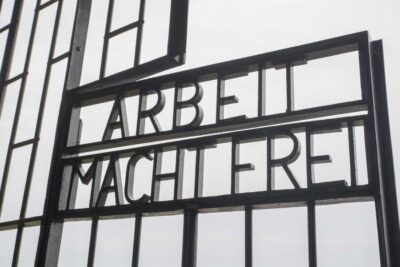
Dachau Concentration Camp Memorial Tour with Train from Munich
Read our review →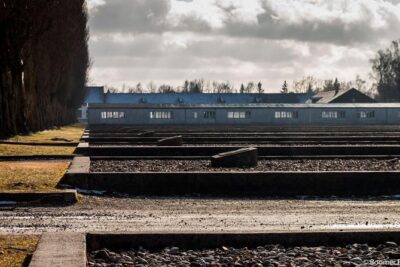
Full-Day Dachau Concentration Camp Memorial Site Tour from Munich
Read our review →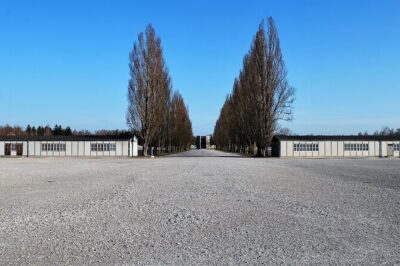
Dachau Small-Group Half-Day Tour from Munich By Train
Read our review →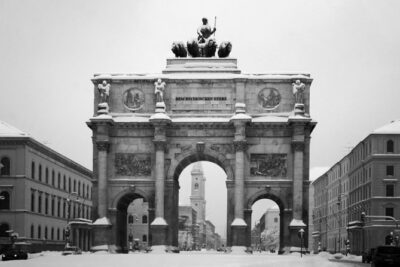
Munich World War II Sites Including Dachau Concentration Camp
Read our review →Browse the lists this tour appears in