
Reviewed · DACHAU MEMORIAL TOURS
From Munich: Dachau Memorial Site Full-Day Tour
Dachau is not a sightseeing stop in the usual sense. It is the first permanent concentration camp built by the Nazi regime, and the four-hour visit takes you through the places where prisoners were registered, punished, confined, and killed. A Memorial-qualified guide such as Sam, Adam, Marcin, or Keith helps you understand what you are seeing rather than leaving you to piece it together alone.
I like the small-group feel, with groups reported at up to 14 people, and I like that train and bus fares are included in the $51 price. Guides are praised for clear directions, careful pacing, and personal survivor stories. The main drawback is the length and weight of the day: you have roughly two hours of public transport and almost four hours at the site, with no eating during the memorial tour.
Key points to know before booking
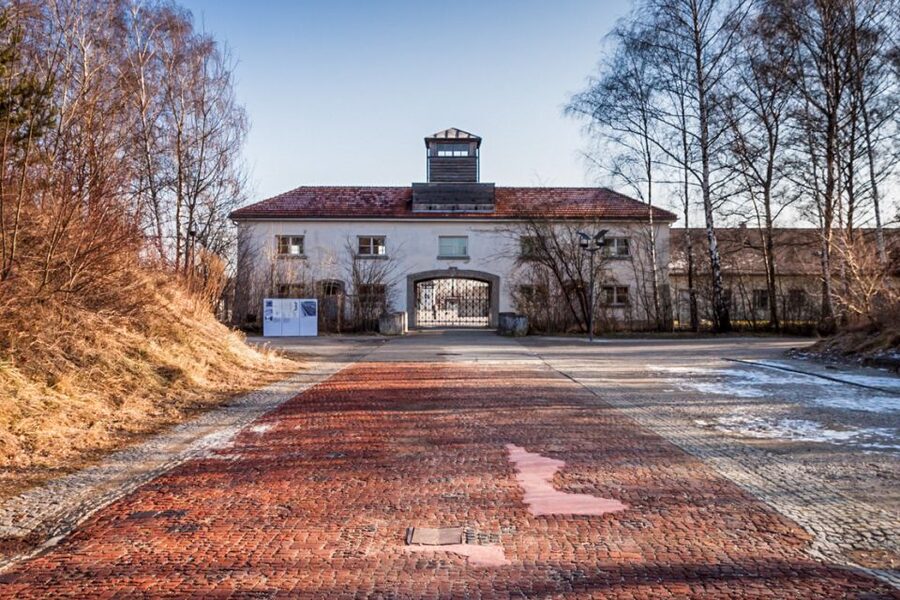
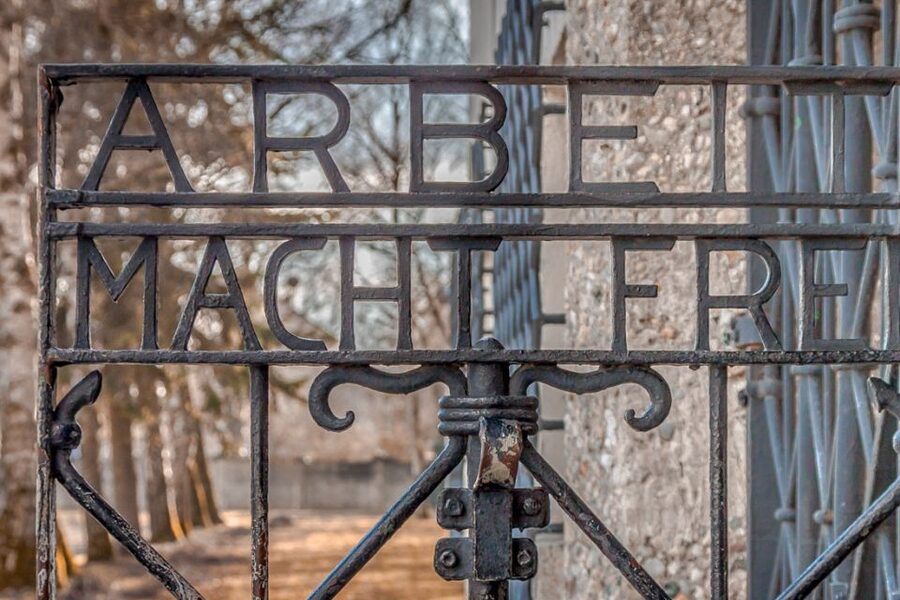
- Enter through the Jourhaus: Pass beneath the gatehouse and see the infamous Arbeit Macht Frei sign.
- Spend nearly four hours on site: The route covers the Appellplatz, Bunker, barracks, Barrack X, and other major areas.
- Travel by public transport: The journey includes about 40 minutes by train or subway and 10 minutes by bus each way.
- Guiding makes a real difference: Guides including Sam, Adam, Marcin, Hein, Keith, and Scott are noted for clear explanations and respectful delivery.
- Plan for a serious visit: The subject matter is graphic and emotionally difficult, and children under 14 are not permitted.
- Pack water and eat beforehand: Food cannot be eaten during the tour at Dachau, so have a solid breakfast or eat on the train.
Why Dachau deserves a full day from Munich
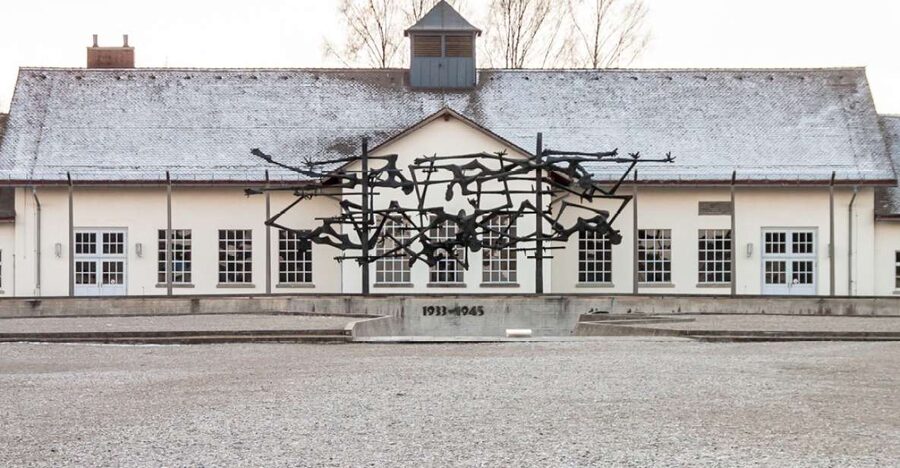
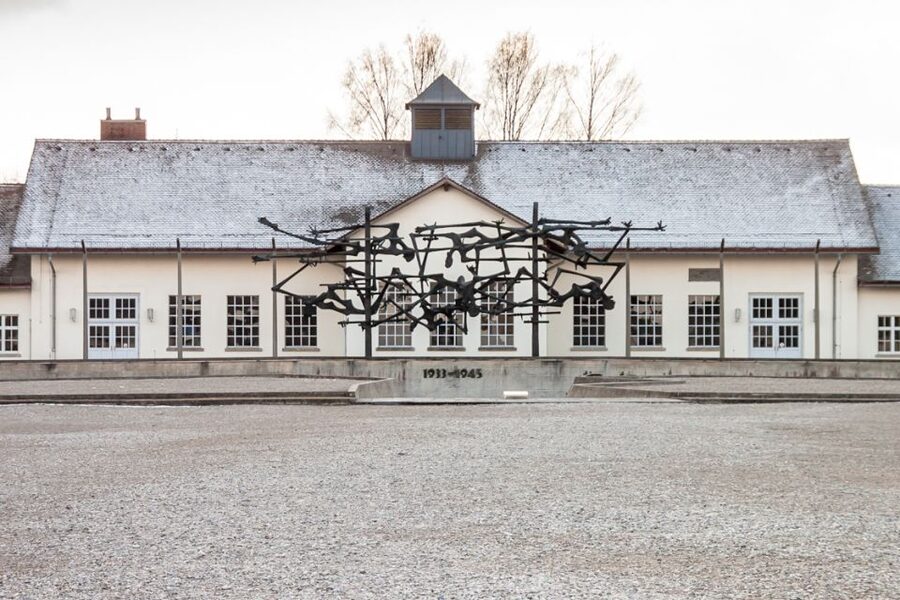
Dachau was opened in 1933, shortly after the Nazis took power, and it remained in operation for the full 12 years of the regime. It was not simply a prison. It became a model for the concentration camp system and a training ground for SS personnel who would carry its methods elsewhere.
That history gives the visit unusual weight. You are not seeing an isolated site with one terrible chapter. You are following the development of a system, from its early political prisoners to the vast machinery of persecution and murder that grew during the Second World War.
The tour is designed to explain that evolution in stages. Your guide covers why the camp opened, who was first imprisoned there, how its three major phases developed, and how daily life was controlled from the moment a prisoner arrived.
I find that context especially useful at Dachau. Without it, the empty grounds, reconstructed barracks, and surviving buildings can feel disconnected. With a guide, the site becomes a sequence of decisions and routines: registration, forced labor, punishment, overcrowding, disease, and death. The point is not to rush from one exhibit to the next, but to understand how terror operated day after day.
Other guided visits to the Dachau memorial site:
- Dachau Concentration Camp Memorial Site Tour from Munich by Train
★ 4.5 · 5,637 reviews - From Munich: Dachau Memorial Site Day Tour
★ 4.8 · 2,723 reviews - From Munich: Dachau Memorial Site Half-Day Trip
★ 4.7 · 2,526 reviews
Meeting at Marienplatz and leaving Munich
The tour begins in central Munich at Marienplatz, in front of the Ludwig Beck department store at Marienplatz 11. Look for the white and blue umbrella and signs for the Dachau Tour.
This is a sensible meeting point. Marienplatz is easy to reach, but it can be crowded, so give yourself extra time. The group travels together on public transport, and the guide handles the practical business of finding the right connection, keeping the group together, and explaining what happens next.
The outward journey takes about 50 minutes in total: roughly 40 minutes by train or subway, followed by a 10-minute bus ride. It is not private transport, so crowded trains are possible. One day, a U-Bahn disruption required the guide to adapt the route, and the group still reached the site smoothly. That is a useful advantage of having someone who knows Munich’s transport system rather than relying on a map app while trying to keep up with a group.
During the ride, the guide begins setting the historical frame. This is also one of the few practical chances to eat. Since food is not permitted during the tour at the memorial site, I would have breakfast before meeting the group and carry water and a snack for the train.
The Jourhaus and the first steps inside
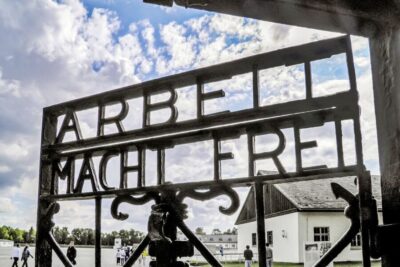
The first major stop is the Jourhaus, the entrance building and gateway into the camp. You pass under the sign Arbeit Macht Frei, one of the most recognizable and disturbing symbols connected with the Nazi camp system.
Your guide explains the role of the entrance complex and what arrival meant for prisoners. This is an important beginning because the camp experience started with disorientation and control. The route is not presented as a series of unrelated buildings. You are guided through the process prisoners faced as they entered, registered, and lost control over nearly every part of their lives.
The opening section can be emotionally jarring. The sign is familiar from photographs, but standing beneath it places it in the physical setting where it was used as part of a system of intimidation and deception. Expect a serious tone from the start, not a casual historical walk.
Appellplatz, the Bunker, and camp discipline
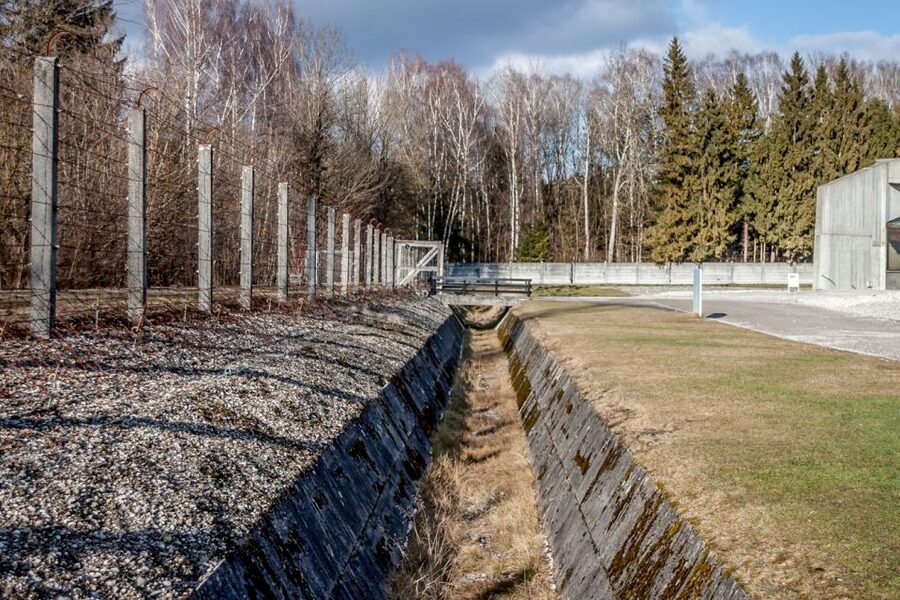
From the Jourhaus, the route continues through the Appellplatz, the roll-call area. This was where prisoners were assembled and counted, often in harsh weather and for long periods. The open space gives you a sense of how public and organized the camp’s control was.
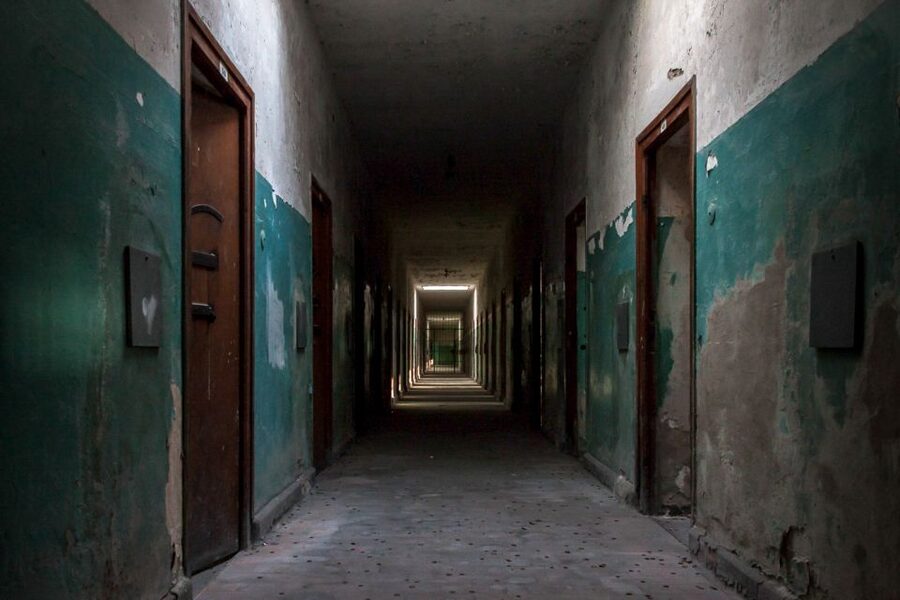
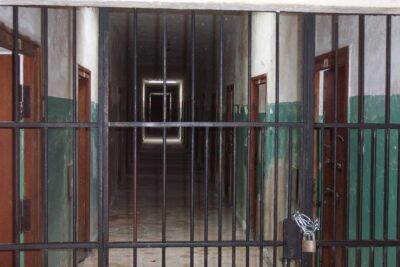
The Bunker, or prison building, shows another side of that control. Here, the focus turns to confinement, punishment, and torture. Your guide explains the camp’s daily operations and the way punishment was built into its structure.
This is where the tour’s human detail matters most. Guides such as Adam and Keith have shared accounts connected to survivors and people who lived through the period. Those stories help prevent the visit from becoming an exercise in statistics. You still hear the large historical picture, but you also get a clearer idea of what imprisonment meant for an individual.
The information is difficult. The tour is intended for adults and older teenagers, and the site does not permit children aged 13 or under. Young people aged 14 and over may attend with parents who understand the graphic nature of the material. Proof of age may be requested.
A few more Munich tours worth comparing
- From Munich: Neuschwanstein & Linderhof Castle Full-Day Trip
★ 4.5 · 12,494 reviews - From Munich: Neuschwanstein Castle Full-Day Trip
★ 4.7 · 3,977 reviews - From Munich: Neuschwanstein Castle Full-Day Trip by Van
★ 4.8 · 1,177 reviews - Full-Day Dachau Concentration Camp Memorial Site Tour from Munich
★ 5.0 · 897 reviews
Barracks, Barrack X, and what remains
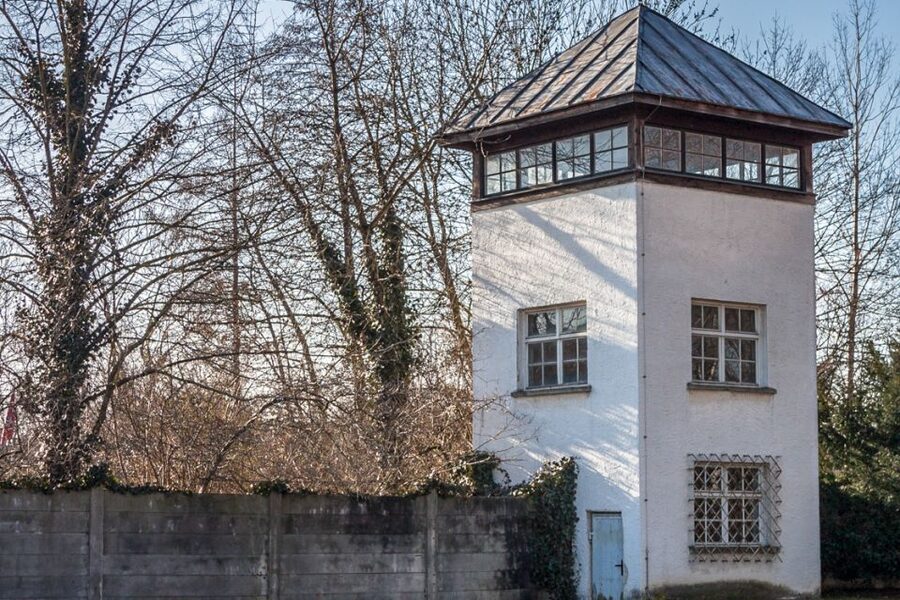
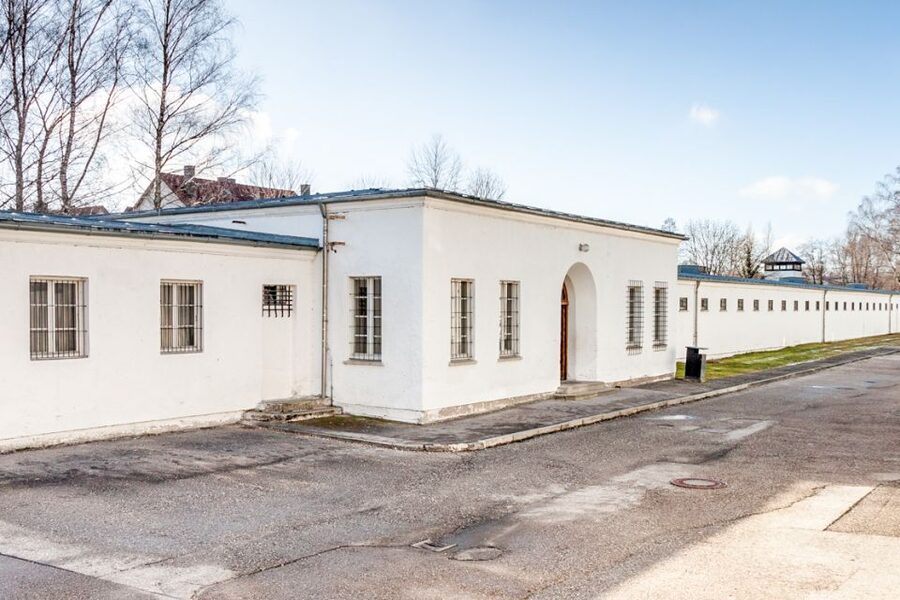
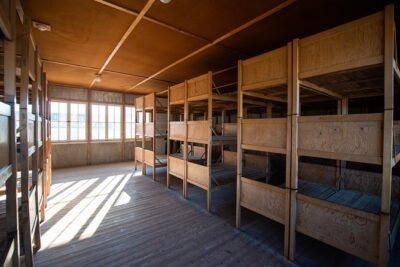
The barracks area helps explain the physical conditions of camp life. Much of Dachau has changed, and not every original structure survives, but the layout and remaining buildings show the planned nature of the site.
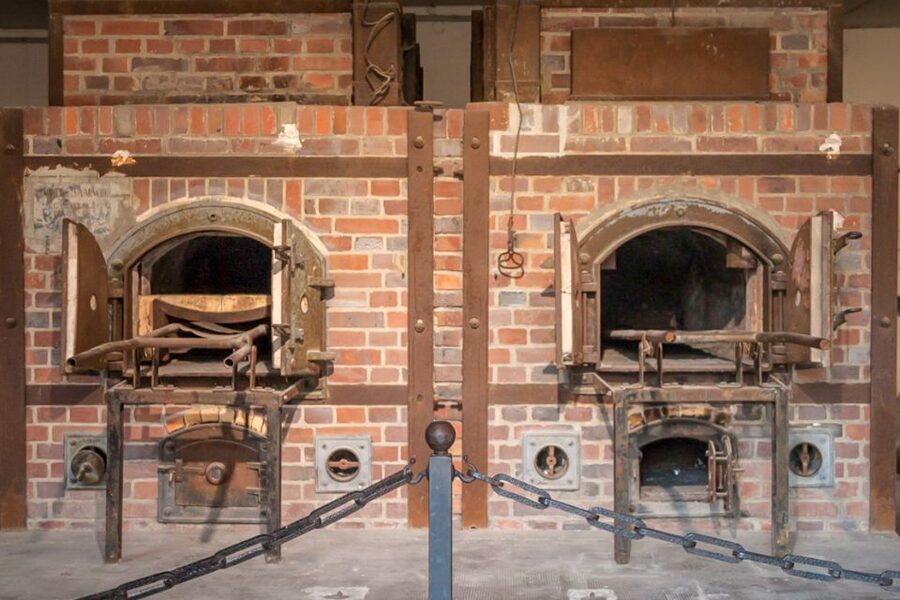
Barrack X is one of the key places on the route. The guide explains its role within the camp and connects it to the final stages of persecution. This section is particularly hard for many people because the subject matter becomes more direct and graphic.
The tour also covers the camp’s development across three phases. That structure is useful because Dachau did not remain static between 1933 and 1945. Its purpose, population, and scale changed over time, reflecting the wider growth of Nazi persecution.
Do not expect a quick visit to a few famous points. The guided tour inside the memorial site lasts about 3 hours and 50 minutes, with roughly four hours at Dachau overall. Comfortable shoes are essential. You will be walking and standing for much of the visit, and the site is not suitable for people with mobility impairments, wheelchair users, or respiratory issues.
The guide is the heart of this experience
Dachau can be visited independently, but a good guide adds structure and restraint. The site contains a large amount of information, and it is easy to miss how one building relates to another or how the camp changed across its 12 years.
The guides on this tour are repeatedly praised for different strengths. Sam is described as friendly, considerate about cold weather and walking pace, and especially clear when explaining the site’s brutal history. Adam is noted for keeping everyone together, answering questions, sharing survivor accounts, and giving clear instructions during transport. Marcin is praised for his command of the subject and for explaining the history in a respectful way. Hein is valued for organization and plain explanations, while Keith is noted for connecting the camp’s suffering to the wider purpose of memorial sites.
Scott is also praised for filling in gaps with useful facts. That matters because Dachau raises questions that may not occur until you are standing in a particular building. A guide who can pause and explain, rather than simply recite a prepared script, makes the day easier to follow.
The best guides also allow quiet time. This is not a nonstop lecture. You need space to look at exhibits, read, and process what you have heard. The tour’s strongest feature is the balance between direction and personal reflection.
Timing, breaks, and the physical side of the day
The full activity lasts six hours. About two hours are spent getting there and back, while approximately four hours are spent at the memorial site.
The planned sequence includes a short break at Dachau before the main guided visit. There are toilet opportunities when you arrive and limited use of facilities during the visit, but you should not count on frequent café-style stops. One practical account describes only a brief coffee break and no proper pause between major sections.
Bring:
- Comfortable walking shoes
- Water
- A snack for the train
- Weather-appropriate clothing
The site is not a place for casual eating, smoking, alcohol, or drugs. Video recording is not permitted. These rules fit the setting, but they also mean you should prepare before entering. Eat a substantial breakfast, especially if your tour starts early, and use the facilities before the guided route begins.
Weather can affect the experience. Much of the visit involves outdoor walking between buildings, and the open grounds can feel cold, wet, or exposed. A coat and sensible footwear matter more here than they would on a standard city tour.
Is $51 a fair price?
At $51 per person, this tour offers reasonable value if you want a guided visit rather than an independent trip. The price includes the train and bus fares and a live English-speaking guide. You are also paying for the guide’s route planning, transport coordination, historical explanation, and ability to keep the group moving through a complicated public-transport journey.
The main value is not convenience alone. Dachau is a place where context matters, and the guide helps you understand the connection between the buildings, the prisoners, and the Nazi system. A self-guided visit may cost less, but it requires more preparation and leaves you to judge which information deserves your attention.
A small group of up to about 14 people is another advantage. You can usually hear the guide more easily than in a large coach group, and it is more practical to ask questions. The tradeoff is that public transport may be crowded, and you do not have the privacy or direct route of a private vehicle.
The price does not include hotel pickup or drop-off. You must reach Marienplatz yourself and return there at the end. For someone staying in central Munich, that is simple. For anyone with limited mobility, it is a serious consideration.
Who should book this Dachau tour?
I would recommend this tour to adults and older teenagers who want a structured, serious visit and prefer to travel from Munich with an English-speaking guide. It is especially useful if you want historical explanation along with the memorial grounds, rather than a quick look at the entrance and barracks.
It suits people who are comfortable with several hours of walking, public transport, and emotionally difficult material. History students, museum-minded visitors, and anyone trying to understand the Holocaust in a careful setting will get the most from it.
I would not choose it for young children, a relaxed family outing, or anyone looking for a light half-day activity. The content is graphic, the schedule is long, and the site demands respect. It is also a poor fit if you need wheelchair access, have mobility limitations, or have respiratory problems.
Should you book it?
Book this Dachau tour if you want a well-organized, guide-led visit and do not want to navigate Munich transport and the memorial grounds alone. The included fares, small-group format, and strong guides such as Sam, Adam, Marcin, Hein, Keith, and Scott make the $51 cost sensible.
Go in prepared for a solemn day, not a pleasant excursion. Eat before the tour, wear good shoes, dress for changing weather, and leave room afterward to think. If you can give Dachau the attention it deserves, this is a thoughtful and practical way to visit one of Europe’s most important memorial sites.
FAQ
Where does the Dachau tour meet in Munich?
Meet your guide at Marienplatz, in front of the Ludwig Beck department store at Marienplatz 11. Look for a white and blue umbrella and signs advertising the Dachau Tour.
How long does the full tour last?
The activity lasts six hours. About two hours are spent traveling between Munich and Dachau, with roughly four hours at the memorial site.
How do you travel from Munich to Dachau?
The group travels by public transport. The journey includes about 40 minutes by train or subway and 10 minutes by bus each way.
Is the tour conducted in English?
Yes. The tour has a live English-speaking guide.
Can children join the Dachau tour?
Children aged 13 or under are not permitted. Children aged 14 and over may attend with parents who understand that the tour includes graphic and difficult historical material. Proof of age may be required.
What should I bring to Dachau?
Bring comfortable shoes, water, snacks for the train, and clothing suited to the weather. Eating is not permitted during tours at Dachau, so eat a substantial breakfast or have food during the train journey.
Recently reviewed in Munich
- München: Vegetarische Viktualienmarkt-Probiertour Deutsch★ 4.8 · 6 reviews
- Wright Europe Vacations – Private Escorted Auto Tours★ 5.0 · 35 reviews
- Best of Munich Electric Bike Tour★ 5.0 · 38 reviews
- Munich Walking Quiz: Explore and Discover the City’s Highlights★ 5.0 · 7 reviews
- Walking Tour on Resistance to Nazism in Munich★ 5.0 · 8 reviews
- Private Transfer from Munich to Salzburg with 2 hours for sightseeing★ 4.5 · 13 reviews
- Private Transfer from Munich to Vienna with 2 hours for sightseeing★ 4.5 · 6 reviews
- 2 hour Sights Guided E-Scooter Tour in Munich★ 4.0 · 6 reviews
Dachau Memorial Tours, compared.
Dachau Concentration Camp Memorial Site Tour from Munich by Train
Read our review →
Dachau Concentration Camp Memorial Tour with Train from Munich
Read our review →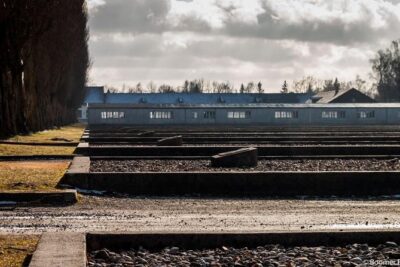
Full-Day Dachau Concentration Camp Memorial Site Tour from Munich
Read our review →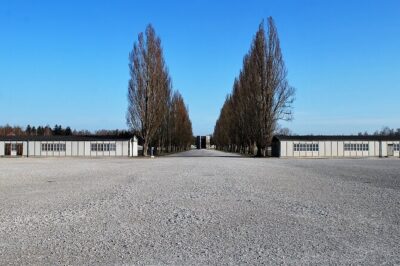
Dachau Small-Group Half-Day Tour from Munich By Train
Read our review →
Munich World War II Sites Including Dachau Concentration Camp
Read our review →
Dachau Concentration Camp Memorial Site And Third Reich Day Tour From Munich
Read our review →Browse the lists this tour appears in