
Reviewed · MUNICH CITY HIGHLIGHTS TOURS
Munich City Pass: Admission to 45 activities and Public Transport
The Munich City Pass turns Munich into a giant museum card, with admission to more than 45 attractions and public transport available as an option. I like the freedom to choose between serious art, royal rooms, science, football, gardens, and oddball local history. I also like that the pass can cover expensive transport days, not just museum tickets.
The main catch is simple: you need to plan. Munich has far more included sights than you can reasonably visit, and some attractions require advance reservations. The Neue Pinakothek is also listed as closed for renovation through 2025, so check current opening information before you count it into your savings.
Key things to know before buying
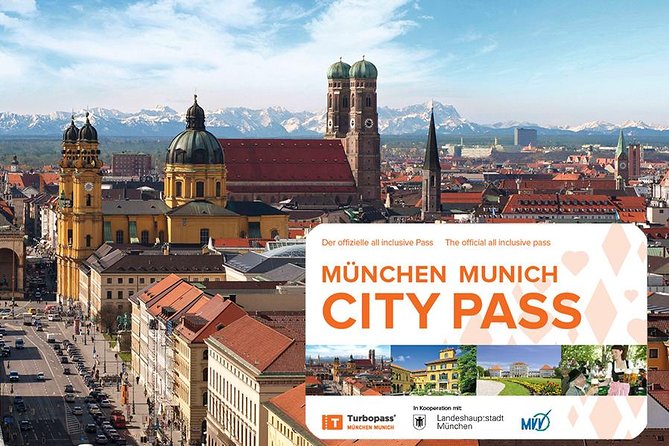
- One to five days: Pick a pass length that matches your Munich schedule, rather than paying for a longer period you will not use.
- Public transport can make the difference: Select inner-area transport or coverage from M to M-6, depending on your plans.
- Big-name museums are included: The Deutsches Museum, Alte Pinakothek, Pinakothek der Moderne, Residenz Museum, and Bavarian National Museum are among the strongest choices.
- Palaces come with variety: Nymphenburg, Schleissheim, Lustheim, and the smaller park palaces offer very different experiences.
- The pass is not only for art lovers: FC Bayern Museum, Bavaria Filmstadt, SEA LIFE Munich, the giant wheel, and the Olympic Park railway widen the appeal.
- Some extras need planning: Guided tours and certain activities must be booked in advance using the instructions in your digital pass.
How the Munich City Pass works
The pass costs $48 per person and is available for one, two, three, four, or five days. Its value depends less on the headline number of attractions and more on how actively you use it.
A one-day pass works best if you choose two or three substantial sights close together. A longer pass gives you room for palaces, museums, and a day farther out, such as Schleissheim or Bavaria Filmstadt. I would not buy the five-day option simply because it offers the largest list. Buy it when you already know you will spend several days visiting paid attractions.
The pass is offered in English, and confirmation arrives at booking. Most people can take part. The experience has a maximum group size of 15, although many of the admissions themselves function around your own sightseeing schedule rather than as one large guided outing.
The public transport choice is especially important. You can select free transport for Munich’s inner area or for the full M to M-6 zone. That matters if you plan to visit Nymphenburg, the Olympic Park, Allianz Arena, Schleissheim, or Bavaria Filmstadt. One customer specifically found the S-Bahn and U-Bahn access very useful, and I can see why: transport savings can quietly make the pass worthwhile even before you count every museum.
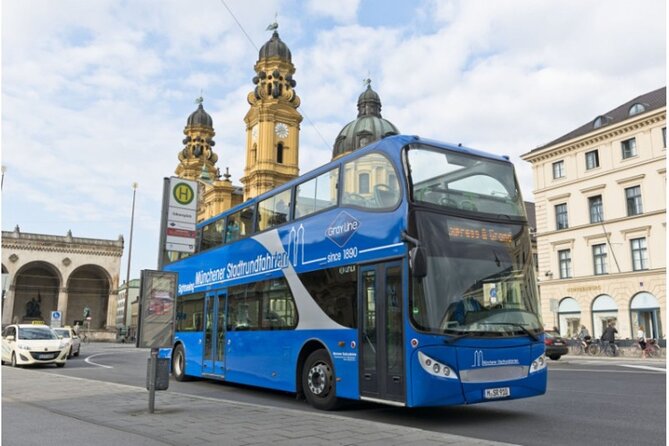
A 24-hour hop-on-hop-off Express Circle is also included, covering seven stops. Treat it as a useful orientation ride and a way to connect several central sights, not as a replacement for Munich’s wider rail network.
More first-day tours of Munich:
- Munich: Big Bus Hop-On Hop-Off Sightseeing Bus Tour
★ 4.0 · 842 reviews - Munich: Classic Guided City Tour by Bike (English Tour Only)
★ 4.7 · 534 reviews - Munich Private Tour with a Local – Highlights & Hidden Gems
★ 5.0 · 469 reviews
The best museum day in central Munich
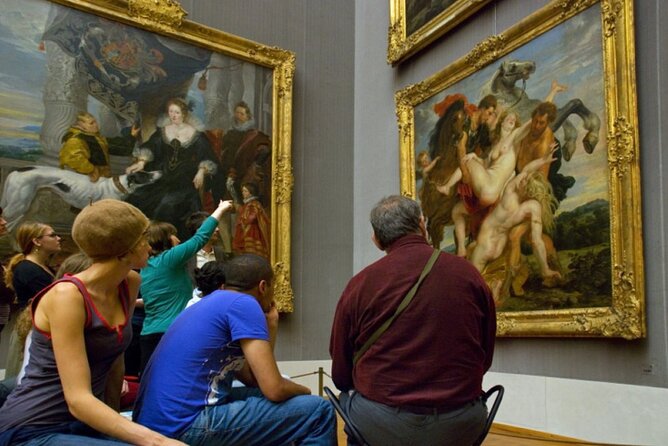
The strongest value comes when you group several central museums into one day. The Alte Pinakothek is a natural starting point for European painting from the 14th to the 18th century. Allow roughly two hours if you want more than a quick look.
Nearby, the Pinakothek der Moderne shifts the focus to modern art and design. Museum Brandhorst adds modern and contemporary works behind a striking facade, while the Lenbachhaus is especially notable for its large collection connected with the Blue Rider movement.
The Kunsthalle Munich covers art from antiquity to the present, giving you a broad change of pace. Sammlung Schack is another stop for painting, including works by Franz von Lenbach. These are not interchangeable museums. The useful part of the pass is that you can sample one or two without feeling that a separate admission fee forces you to stay for hours.
The Glyptothek brings you to ancient art, with Greek vases and works in gold, bronze, ceramic, and glass. The Museum Reich der Kristalle offers something completely different, with diamonds, emeralds, gemstones, and minerals. I like this range because a museum-heavy day does not have to mean six versions of painting.
The Bavarian National Museum is one of Germany’s largest museums, with collections broad enough to appeal to different tastes. The Museum Fünf Kontinente presents cultural objects from around the world, while the Museum Mensch und Natur focuses on natural history.
The Egyptian Museum in Munich covers 5,000 years of Egyptian culture and art. Its subject is focused, which makes it a good choice when you want a clear theme rather than a huge general collection.
Munich’s difficult past and local character
Two included museums deserve extra time and thought. The NS-Dokumentationszentrum Munich examines Munich’s connection with National Socialism and the consequences of dictatorship. This is a place for learning and remembrance, not a quick box to tick between shopping and lunch.
The Jewish Museum Munich gives you a view of the city’s history from a Jewish perspective. Together, these museums add important context to Munich beyond royal architecture and beer-hall images.
For a lighter local stop, the Valentin-Karlstadt-Musäum offers the quirky world of Munich humor and its original characters. The Münchner Stadtmuseum, near Viktualienmarkt, takes you into the city’s past. The Deutsches Theatermuseum presents changing special exhibitions, but it has no permanent exhibition because of space limits. Check what is showing before making a special trip.
The Haus der Kunst focuses on contemporary art. Since special exhibitions can vary, I would check the current program and opening times rather than assume the same experience year-round.
Palace rooms, gardens, and royal collections
Nymphenburg Palace is one of the pass’s most appealing inclusions. The former refuge of the Munich court gives you grand rooms, while the surrounding park offers a slower break from indoor sightseeing. The Marstallmuseum adds an unusual collection of carriages from the late 17th through the 19th century, with examples from Germany, France, and England.
Three smaller park palaces are included as separate attractions: Amalienburg, Pagodenburg, and Badenburg. They are useful additions if you are already visiting Nymphenburg, but I would not build three separate journeys around them. Think of them as part of a palace-and-park day.
Schloss Schleissheim takes you farther from central Munich and offers two collections, including the Ecumenical Collection of Gertrud Weinhold and a collection focused on Prussia’s cultural history. Lustheim Palace is known for its Meissen porcelain collection. These stops make the M to M-6 transport option more valuable, since they are not simply a short walk from the central museums.
The Residenz Museum is another strong choice. Its Treasury contains one of the most prestigious collections of its kind, and the former royal setting gives the visit a different feel from a standard gallery.
The Cuvilliéstheater is a fine short stop for architecture. It is a celebrated Rococo theater, and Napoleon visited it. Since the pass information describes admission as free rather than a full guided performance, confirm what is open on your date.
The State Coin Collection contains more than 3,000 objects, with the oldest dating to the third millennium BC. It is a specialist stop, but a good one if coins, objects, and small details appeal to you more than monumental rooms.
A few more Munich tours worth comparing
- Munich: Old Town & Viktualienmarkt City Walk in German
★ 4.7 · 2,304 reviews - Munich: City Bus Tour & FC Bayern Munich Allianz Arena Tour
★ 4.5 · 2,071 reviews - Munich City Hop-on Hop-off Tour
★ 3.5 · 1,233 reviews - Munich City Walking Tour, includes Third Reich & Viktualienmarkt
★ 5.0 · 458 reviews
The Deutsches Museum and its three related stops
The Deutsches Museum is one of the world’s largest and most traditional science and technology museums. You could easily spend a major part of a day here, so do not pair it with a long list of other attractions unless you plan to move quickly.
The Deutsches Museum Verkehrszentrum focuses on land vehicles. It is a good companion for anyone interested in transport, engineering, or how people moved before modern rail and air travel became dominant.
At Flugwerft Schleissheim, nearly 70 aerospace exhibits fill about 8,000 square meters. This is another reason to look beyond the city center when planning your pass days. The three science and transport sites give the pass substance for families and for adults who would rather inspect machines than paintings.
The Museum Villa Stuck adds an artist’s home and work. It was the house of Franz von Stuck, one of Europe’s important artists. The combination of building and art makes it more personal than a large institutional gallery.
Football, film, sea life, and city views
The FC Bayern Museum at Allianz Arena is Germany’s largest club museum. If football matters to you, this may be one of the pass’s most memorable admissions. It also gives the pass a clear purpose for someone who has little interest in traditional art museums.
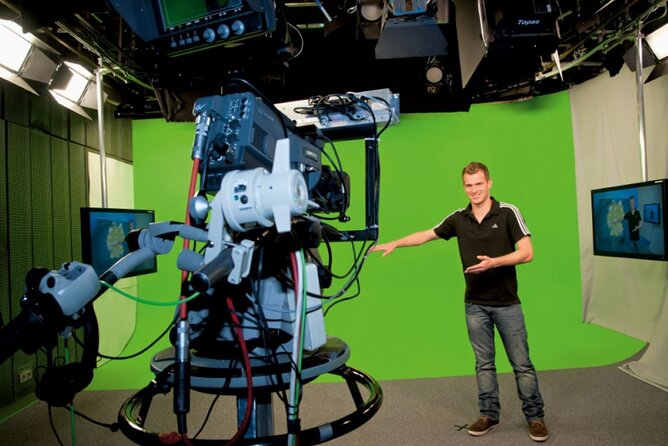
Bavaria Filmstadt presents original scenes from major films and television productions. It is a good change of pace, especially for families or anyone curious about how popular screen productions are made. The pass includes admission, but check whether a particular guided element requires advance booking.
At Olympiapark, the included park railway gives you an easy way to see more of the grounds. SEA LIFE Munich, also in the Olympic Park, offers an introduction to marine life. Umadum, the giant observation wheel, provides views of Munich from above and is one of the more unusual choices on the pass.
The New Town Hall tower gives another high viewpoint over Munich. This is a practical way to add a city view without committing to a full museum visit. The Ruhmeshalle and Bavaria offer a different kind of monument, centered on the 18-meter statue of Bavaria in front of the hall of fame.
Building a useful one-day or three-day plan
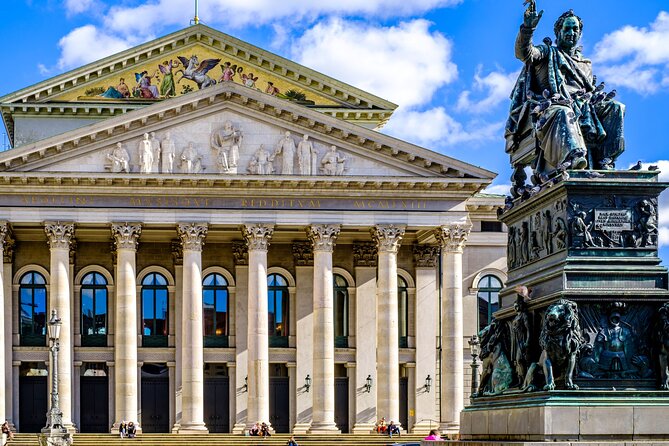
For one day, I would stay central. Choose one major museum, one smaller collection, and the New Town Hall or a nearby historic sight. The Alte Pinakothek plus the Pinakothek der Moderne can fill a serious art day, while the Residenz and Cuvilliéstheater create a strong royal architecture pairing.
For three days, I would divide the pass by subject:
- Day one: Alte Pinakothek, Pinakothek der Moderne, Museum Brandhorst, or Lenbachhaus.
- Day two: Residenz Museum, Cuvilliéstheater, the Jewish Museum Munich, and the New Town Hall tower.
- Day three: Nymphenburg Palace, the Marstallmuseum, and one or more of the park palaces.
With four or five days, add the Deutsches Museum, Olympic Park, FC Bayern Museum, or the Schleissheim group. Use the public transport option on the days that require longer connections.
Do not try to visit every listed attraction. The two-hour estimate attached to many stops is a useful planning guide, but it does not mean you must spend two hours in every museum. The pass rewards selectivity.
Where the $48 price makes sense
At $48, the pass can be a good buy if you visit several included admissions in one or more days and use the transport benefit. One customer used it for a bike tour, a palace, museums, the Residenz, transport, and even a Prosecco offer at the Rathskeller, then considered it a strong money saver.
The savings are less certain if you prefer long lunches, unhurried walks, or only one major museum per day. A pass is not automatically cheaper than individual tickets. Its value comes from combining admissions that you genuinely want with transport you would otherwise pay for.
I also like the time-saving angle. You avoid buying a separate ticket at each included attraction, though the pass does not remove every planning task. Some guided tours must be reserved in advance. Follow the instructions in the digital pass, and check closure dates before setting your schedule.
You can cancel for a full refund up to 24 hours before the experience start time. Changes or cancellations made less than 24 hours ahead are not accepted for a refund.
Who should buy the Munich City Pass?
I would recommend it to an active first-time visitor who wants museums, palaces, and public transport in one purchase. It is also a good fit for families with mixed interests, since one person can choose science or football while another chooses art or royal rooms.
The pass is less useful if your Munich visit centers on cafés, neighborhood walks, and one carefully chosen museum. It is also a poor fit if you will not plan around opening days and advance reservations.
My practical advice is to list your top five choices before buying. If three or four fit naturally into your schedule, then add the cost of the transport you need. If that total approaches or exceeds $48, the pass should earn its keep. If your list contains only one major admission, buy individual tickets instead.
FAQ
How long can I use the Munich City Pass?
You can choose a pass valid for one to five days.
How many Munich attractions are included?
The pass includes admission to more than 45 Munich attractions and activities.
Is public transport included?
Public transport is included if you select that option. Coverage is available for Munich’s inner area or the full M to M-6 zone.
Is a hop-on-hop-off bus included?
Yes. A 24-hour Hop-on-Hop-off Express Circle covering seven stops is included.
Is the Neue Pinakothek open?
The provided information lists the Neue Pinakothek as closed for renovation from January 1, 2019 through 2025. Check the current status before planning your visit.
Do any attractions require advance booking?
Yes. Some guided tours and activities must be booked in advance. Instructions are provided in the digital City Pass.
Recently reviewed in Munich
- München: Vegetarische Viktualienmarkt-Probiertour Deutsch★ 4.8 · 6 reviews
- Wright Europe Vacations – Private Escorted Auto Tours★ 5.0 · 35 reviews
- Best of Munich Electric Bike Tour★ 5.0 · 38 reviews
- Munich Walking Quiz: Explore and Discover the City’s Highlights★ 5.0 · 7 reviews
- Walking Tour on Resistance to Nazism in Munich★ 5.0 · 8 reviews
- Private Transfer from Munich to Salzburg with 2 hours for sightseeing★ 4.5 · 13 reviews
- Private Transfer from Munich to Vienna with 2 hours for sightseeing★ 4.5 · 6 reviews
- 2 hour Sights Guided E-Scooter Tour in Munich★ 4.0 · 6 reviews
Munich City Highlights Tours, compared.
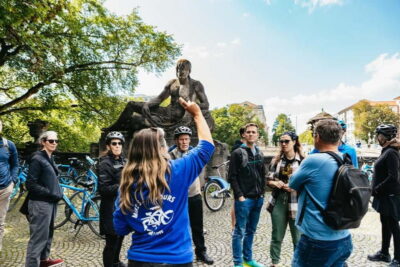
Classic Guided City Tour by Bike (English Tour Only)
Read our review →
Munich Private Tour with a Local – Highlights & Hidden Gems
Read our review →
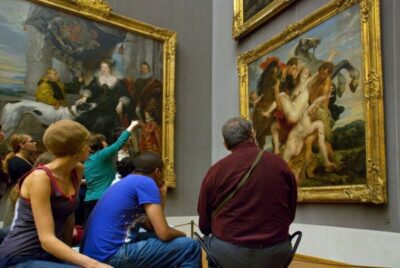
City Pass 45+ Top Attractions and Public Transport
Read our review →


Munich Premium Sightseeing Hopping and Traditional Bavarian Delicacies
Read our review →Browse the lists this tour appears in