
Reviewed · DACHAU MEMORIAL TOURS
Dachau Small-Group Half-Day Tour from Munich By Train
Dachau is not a light sightseeing stop. It is a place for careful attention, quiet reflection, and honest history. This five-hour small-group tour gives you a structured way to visit the memorial, from the train ride out of Munich to the camp gate, prisoner registration, barracks area, religious memorials, and crematorium grounds.
I especially like two things here: round-trip public transport is handled for you, and the guide keeps the history connected from Hitler’s rise to the camp’s liberation and later use as a memorial. The main consideration is emotional: this is a sobering visit, and the site includes a fair amount of walking over gravel and concrete.
- Train and bus travel from Marienplatz: Your guide leads the group through the full route to Dachau and back.
- A serious historical framework: Learn how Dachau developed from the first Nazi concentration camp into a model for the wider camp system.
- Five hours at a measured pace: The visit covers the accessible memorial grounds, exhibitions, gatehouse, prisoner area, and crematorium site.
- Small group of up to 20: A limited group makes it easier to hear explanations and stay together.
- Experienced guides: James is praised for both historical detail and smooth transport coordination, while Samuel is noted for connecting past events with present-day concerns.
- A practical price: At $60.46, the fee includes your guide and public transport, but not food or drinks.
Why Dachau Requires More Than a Casual Visit
Dachau was opened in 1933, soon after Adolf Hitler became Chancellor. It began as a concentration camp for political prisoners and became a model for the wider Nazi camp system. The site helps you understand not only what happened to prisoners inside the camp, but also how the system was built, organized, and expanded.
That broader context is the main reason I would choose a guided visit instead of simply going alone. The memorial grounds can look orderly and quiet today. Without explanation, it can be difficult to grasp how the site fit into the rise of the Nazi Party, the creation of concentration camps, the persecution of Jewish people, and the later development of ghettos and extermination camps.
The tour covers the burning of the Reichstag, the Nazi takeover, the three major phases of the camp system, the SS training role at Dachau, Kristallnacht, prisoner categories, liberation, and the years between 1945 and the opening of the documentation center in 1965. That is a lot for one morning, but the guide gives you a clear sequence instead of leaving you with isolated facts.
Expect a serious tone. This is not a tour built around entertainment or dramatic effects. The memorial’s power comes from the ordinary setting, the surviving structures, the documents, and the knowledge of what took place there.
Meeting at Marienplatz at 8:45
The tour begins at Marienplatz 15 in central Munich at 9:00 a.m. You should arrive by 8:45 for check-in. The group leaves at 9:00 sharp and cannot wait for late arrivals, so this is not the morning to cut your timing close.
Starting in Marienplatz is useful if you are staying in central Munich. It gives the guide a clear meeting point and avoids asking you to find your own way to Dachau. After the group gathers, you travel by public train and then bus to the memorial site.
The transport itself is part of the tour’s practical value. Dachau is easy enough to reach with preparation, but the route involves more than one stage. Guides such as James have been praised for knowing where to position the group on the platform, reducing unnecessary waiting, and keeping everyone on the correct train and bus.
That may sound like a small benefit. It is not. On a tightly timed half-day visit, a missed connection or confused group can eat into the time you have at the memorial. A guide who manages the route lets you focus on the history instead of checking transit signs.
During the journey, the guide may begin explaining the political background before you even reach the site. That makes good use of the travel time and gives you a framework for the visit ahead.
Other guided visits to the Dachau memorial site:
- Dachau Concentration Camp Memorial Site Tour from Munich by Train
★ 4.5 · 5,637 reviews - From Munich: Dachau Memorial Site Day Tour
★ 4.8 · 2,723 reviews - From Munich: Dachau Memorial Site Half-Day Trip
★ 4.7 · 2,526 reviews
Arriving at Dachau Memorial Site
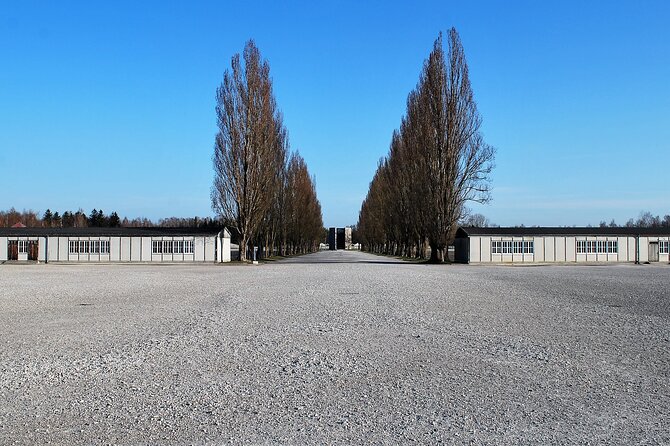
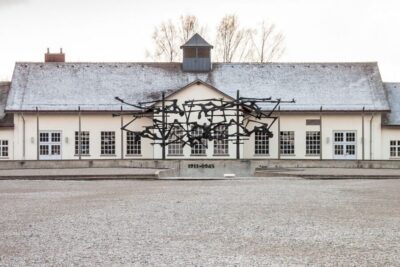
The public memorial site is not simply one preserved building. It is a large historical area with indoor and outdoor sections, reconstructed elements, remaining structures, exhibitions, and memorial spaces. The tour aims to cover all areas accessible to the public within the available time.
Your first impression may be the contrast between the calm setting and the events that occurred there. The site does not look like a theatrical recreation. There are no staged effects. That plainness is part of what makes the visit difficult and important.
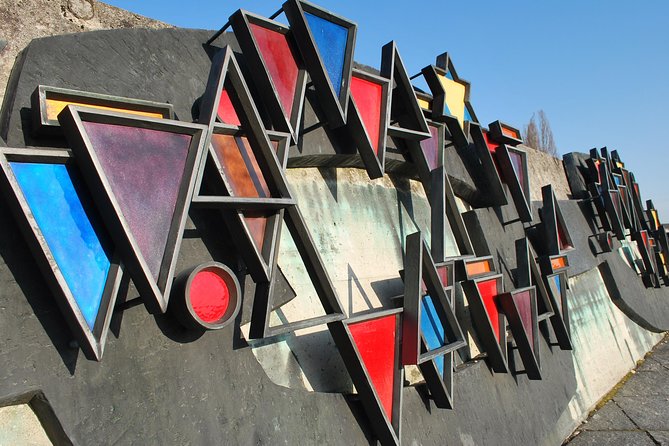
The guide explains Dachau’s role as a model for other concentration camps. You learn how the SS organized the camp, how prisoner registration worked, and how people were classified. The colored markings on prisoner uniforms showed different categories, and understanding those classifications helps explain how the Nazi system reduced individuals to labels.
The discussion also includes the camp population over time and how it changed during the war. You are not only shown where prisoners were held. You are given a picture of how the system operated day after day.
The Gatehouse and the Meaning of Dachau’s Entrance
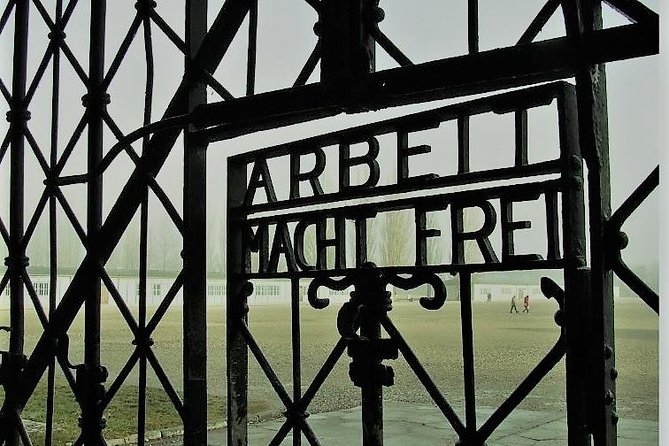
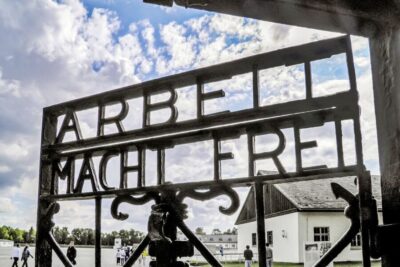
The Jourhaus, or main gatehouse, is one of the most recognizable parts of the memorial. It carries the slogan Arbeit Macht Frei, or Work Sets You Free.
This entrance deserves time and explanation. The words presented a false promise while prisoners entered a system built around forced labor, punishment, deprivation, and death. Your guide places the gate in the larger structure of Nazi control rather than treating it as a photo stop.
The route also explains the SS presence at Dachau. The camp was not only a place of imprisonment. It served as an SS training facility and helped establish methods later used elsewhere. That role is essential to understanding why Dachau matters beyond its own perimeter.
I appreciate this part of the tour because it prevents the visit from becoming a list of grim locations. You see how architecture, administration, ideology, and violence worked together.
Prisoner Life, Registration, and the Camp System
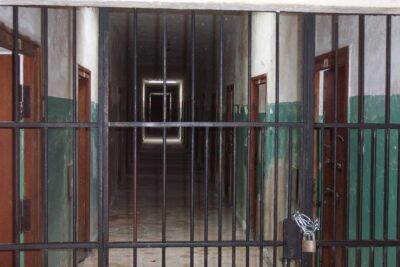
Inside the memorial, the tour examines how prisoners were registered and categorized. The guide explains the various groups held at Dachau and how the population changed through the years.
The visit also addresses the three major phases of the concentration camp system. This historical structure is useful for anyone who knows the Holocaust mainly through broad outlines. Dachau helps show that the system developed over time, beginning with political repression and growing into a vast network of camps and persecution.
Kristallnacht in 1938 is another key point. The November pogrom marked a major escalation in the persecution of Jewish people, and Dachau received its first major influx of Jewish prisoners afterward. Connecting that event to the camp’s population makes the political timeline easier to follow.
The tour also discusses ghettos and extermination camps. Dachau was not an extermination camp, and that distinction matters. A responsible visit should explain the different purposes and structures within the Nazi system rather than treating every camp as identical.
The guide-led format helps here. You can ask questions as the historical pieces come together, and you do not have to rely on a museum label to explain the full sequence.
A few more Munich tours worth comparing
- Dachau Concentration Camp Memorial Tour with Train from Munich
★ 4.5 · 955 reviews - Guided Dachau Concentration Camp Memorial Site Tour with Train from Munich
★ 5.0 · 920 reviews - Nuremberg Guided Day Trip from Munich by Train
★ 4.5 · 546 reviews - From Munich: Nuremberg Day Trip by Train
★ 4.4 · 357 reviews
The Barracks Area and Time to Look Around
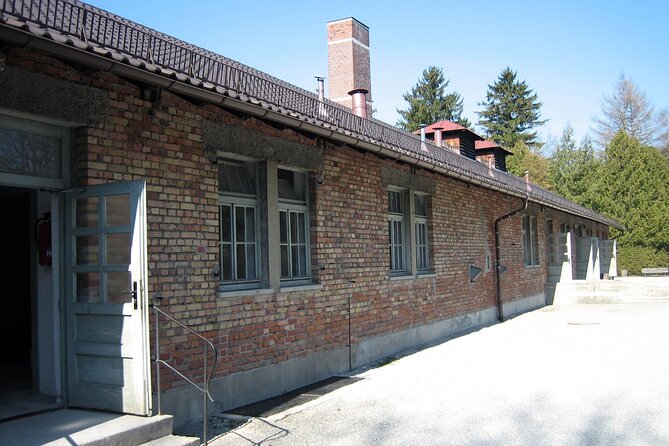
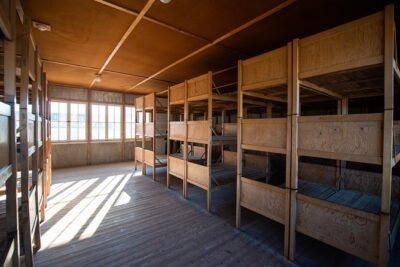
The former prisoner area is one of the places where the scale of the camp becomes more apparent. The tour covers the barracks area and the conditions prisoners faced, while also explaining how the site has been presented as a memorial.
The pace is generally steady. You move from one section to another, with the guide giving explanations along the way. You also receive some time to look around on your own, which matters at a place where you may want to pause, read, or simply stand quietly.
This is one point to manage your expectations. A five-hour tour has to balance spoken explanation with time inside the exhibitions. Some visitors may wish for longer to read every display, particularly in the museum section. If you prefer to study each document at length, a self-guided visit could give you more freedom.
For most people, though, the guided structure is a strong trade-off. You see the main areas, understand their meaning, and avoid spending your limited time wondering what deserves attention.
The Crematorium Area and Memorial Spaces
The crematorium area is among the most emotionally difficult parts of the visit. The tour explains its role and the events connected with the final period of the camp system.
This section should be approached with care. The guide’s tone matters, and the strongest descriptions of James and Samuel focus on respect, compassion, and restraint rather than sensational language. You are given historical facts and context without turning suffering into a spectacle.
Several religious memorials are also part of the memorial grounds. They offer different forms of remembrance and make clear that the site is not only an archaeological remnant. It is a place where the dead are remembered and where visitors are asked to consider how such a system became possible.
You should expect the site to feel heavy. That is not a flaw in the tour, but it is a real condition of visiting Dachau. If you are traveling with teenagers, note that the memorial does not allow children under 14 to join guided tours.
Liberation and Dachau After 1945
The tour does not stop in 1945. It covers the liberation of Dachau and what happened at the site afterward, including the period from 1945 until the documentation center was unveiled in 1965.
That later history is easy to overlook, yet it changes how you understand the memorial today. A former concentration camp does not automatically become a public place of remembrance. Decisions had to be made about preservation, reconstruction, interpretation, and how to honor the victims.
Learning about that process adds another layer to the visit. You see that memorials are shaped over time, and that the way a society remembers mass violence is part of history too.
The guide also links the past to present concerns. Samuel has been praised for drawing connections between the rise of the Third Reich and current questions about government and injustice. The best version of this discussion does not turn the tour into a political speech. It asks you to think about warning signs, public responsibility, and the consequences of treating groups of people as less than human.
How Much Walking and What to Wear
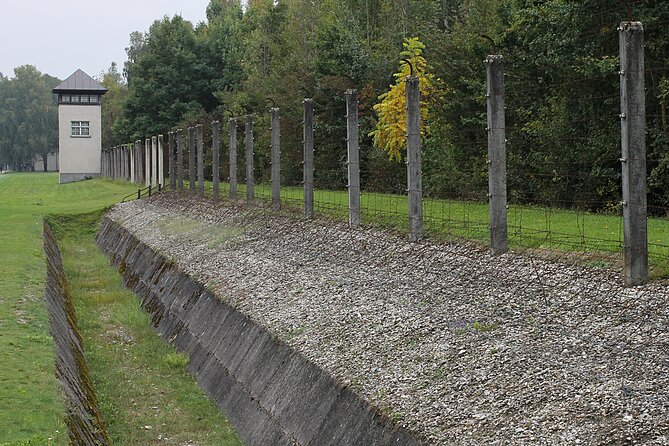
The tour combines indoor and outdoor areas. You will walk over gravel and concrete, so comfortable shoes are more important than stylish ones. The grounds can feel exposed, and weather may change the character of the visit quickly.
Check the forecast before leaving Munich and dress for the conditions. On a cold, rainy day, the guide may keep the group indoors when possible, but outdoor movement remains part of the tour. On warmer days, you still need to be prepared for several hours on foot.
Food and drinks are not included, and refreshments are not provided during the tour. You can buy snacks and drinks at several locations around the meeting area, so handle that before departure. Do not count on a meal break during the memorial visit.
Group Size, Guides, and the Value of the Fee
The maximum group size is 20 people. That is small enough for a guide to keep the group together and answer questions, although the memorial can be crowded with other groups. An experienced guide adjusts the route when one area is busy, rather than leaving you waiting in a long line.
James receives particularly strong praise for handling both the history and the practical details. He is described as keeping everyone together on the train and bus, choosing useful places to wait, filling transport delays with historical context, and adjusting the route around crowds at Dachau.
Samuel is also named as a guide who brings a thoughtful approach and connects the history to current issues. Your exact guide is not guaranteed, so treat those names as examples of the guiding style you may encounter, not a promise.
At $60.46 per person, the tour is fairly priced for a five-hour guided experience that includes public transport to and from the memorial. Admission to the memorial site is free, so you are mainly paying for the guide’s time, organization, historical explanation, and transport coordination.
If you are already confident using Munich public transit and prefer reading at your own pace, visiting independently will cost less. If you want a clear route and a serious explanation of what you are seeing, the fee makes sense.
The tour has a 4.9 rating from 811 reviews, with 98 percent recommending it. Those figures point to consistent satisfaction, especially with the guides, organization, pacing, and historical detail. They do not change the nature of the site: this remains an emotionally hard visit, not a fun excursion.
Who Should Book This Dachau Tour
I would choose this tour if you are staying in Munich, want a half-day visit, and prefer not to handle the train and bus connection alone. It also suits anyone who wants the Nazi period explained in sequence, from Hitler’s rise and the Reichstag fire to the camp system, Kristallnacht, liberation, and memorial development.
It is a good fit for history-minded adults and for families with children aged 14 or older who can handle the subject. You should prepare younger members of your group in advance. The memorial is educational, but it is not an easy lesson.
You may prefer an independent visit if you need long stretches of silence, want to read every exhibit, or plan to spend much longer than five hours in the area. The guided tour gives you structure, but structure also means the group must keep moving.
Free cancellation is available when you cancel at least 24 hours before the start time. If the minimum number of people is not met and the operator cancels, you are offered another option or a full refund.
Should You Book It?
Book this Dachau tour if you want a well-organized, guide-led visit with the Munich transport handled for you. The strongest reasons are the careful historical sequence, the small group, and guides such as James who combine practical route management with respectful explanations.
Do not book it expecting a casual day out or unlimited time in every exhibition. Come prepared for a somber experience, several hours of walking, and a subject that can stay with you long after you return to Munich.
For most visitors who want to understand Dachau rather than simply find it, this is a strong choice. Arrive early, wear good shoes, bring weather-appropriate clothing, and give the memorial the attention it deserves.
FAQ
How long does the Dachau tour take?
The experience lasts approximately five hours, including travel from central Munich to the memorial site and the return journey.
Where does the tour begin?
The meeting point is Marienplatz 15, 80331 Munich. The tour begins at 9:00 a.m., and you should arrive by 8:45 for check-in.
Is transportation to Dachau included?
Yes. Public transport costs to and from the memorial site are included. The route uses a train and bus, with the guide leading the group through the connections.
What is included in the $60.46 price?
The fee includes a fully licensed professional guide and public transport to and from the Dachau Memorial Site. Food and drinks are not included.
Can children join the guided tour?
Children under 14 are not allowed to join guided tours at the memorial site. Students can choose the youth price category but must show a valid student ID on the day.
Can I cancel for a full refund?
Yes, if you cancel at least 24 hours before the experience start time. Cancellations or changes made less than 24 hours before the start are not refunded or accepted.
More Half-Day in Munich
- Early-Start Dachau Memorial Half-Day Tour from Munich
★ 5.0 · 942 reviews - Munich: Half-Day Skip-the-Line Neuschwanstein Castle Tour
★ 4.6 · 110 reviews - Munich Private & Personalized Half-Day Tour with a Local Guide
★ 5.0 · 48 reviews - Half-Day Private Dachau Concentration Camp Tour From Munich
★ 5.0 · 29 reviews
Recently reviewed in Munich
- München: Vegetarische Viktualienmarkt-Probiertour Deutsch★ 4.8 · 6 reviews
- Wright Europe Vacations – Private Escorted Auto Tours★ 5.0 · 35 reviews
- Best of Munich Electric Bike Tour★ 5.0 · 38 reviews
- Munich Walking Quiz: Explore and Discover the City’s Highlights★ 5.0 · 7 reviews
- Walking Tour on Resistance to Nazism in Munich★ 5.0 · 8 reviews
- Private Transfer from Munich to Salzburg with 2 hours for sightseeing★ 4.5 · 13 reviews
- Private Transfer from Munich to Vienna with 2 hours for sightseeing★ 4.5 · 6 reviews
- 2 hour Sights Guided E-Scooter Tour in Munich★ 4.0 · 6 reviews
Dachau Memorial Tours, compared.
Dachau Concentration Camp Memorial Site Tour from Munich by Train
Read our review →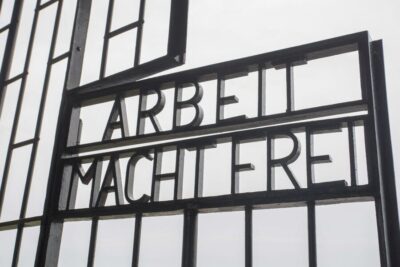
Dachau Concentration Camp Memorial Tour with Train from Munich
Read our review →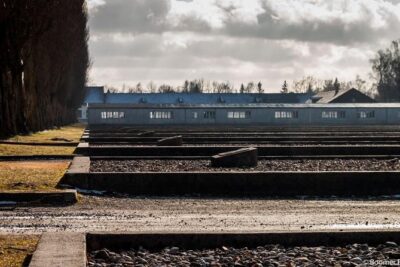
Full-Day Dachau Concentration Camp Memorial Site Tour from Munich
Read our review →
Munich World War II Sites Including Dachau Concentration Camp
Read our review →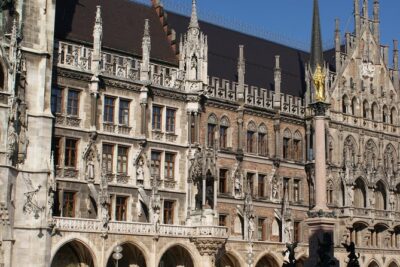
Dachau Concentration Camp Memorial Site And Third Reich Day Tour From Munich
Read our review →Browse the lists this tour appears in