
Reviewed · DACHAU MEMORIAL TOURS
Dachau Concentration Camp Memorial Site And Third Reich Day Tour From Munich
Dachau is not a sightseeing stop in the usual sense. It is a place for careful attention, difficult facts, and quiet reflection. This full-day tour gives you five hours at the memorial site, followed by a walking tour through Munich that explains how the Nazi movement took root in the city.
I like two things here: the small group, capped at 15 people, and the guide-led approach to a complicated subject. Alun Evans is repeatedly praised for clear explanations, respectful handling of painful material, and good control of the day. The main drawback is the pace: eight hours of walking and serious history can leave you physically and emotionally tired.
Key points to know before booking
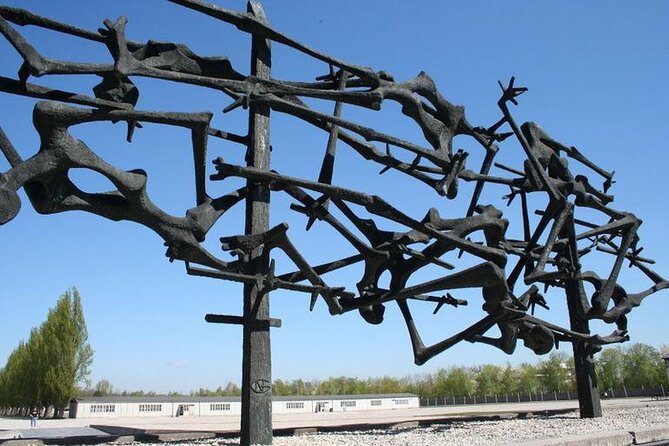
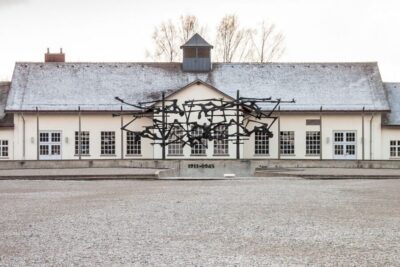
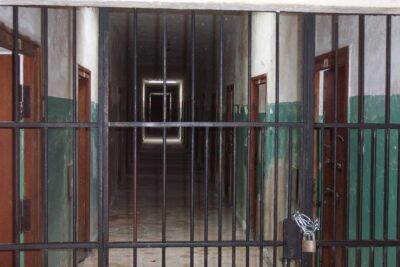
- Five hours at Dachau: You have time for the museum, former camp grounds, reconstructed cell blocks, crematorium, and memorial areas.
- A second history tour in Munich: The afternoon connects Dachau to places tied to Hitler, the Nazi Party, and the rise of National Socialism.
- Small-group format: The tour accepts no more than 15 people, making questions and hearing the guide easier.
- Public transport is handled for you: Round-trip train costs from central Munich are included, with the guide leading the way.
- A serious, respectful subject: This is an educational visit to a memorial site, not a casual day trip.
- Practical limits: Children under 14 are not permitted, lunch is not included, and a moderate level of fitness is needed.
Starting at Marienplatz at 9:00 a.m.
The day begins at Marienplatz, Munich’s main square. This is a sensible meeting point because it is central and close to public transport, and it gives the group a clear place to gather before heading north.
You meet the guide there, then board a train to Dachau. The ride takes about 20 minutes, but the total transfer takes longer once you include the walk to and from the station and the movement of a small group. The useful part is that you do not need to work out the route yourself. Your guide manages the transport and can adjust the plan if delays occur.
That matters more than it may sound. Dachau is outside Munich, and a visit involves public transport, timing, and a large memorial site. A guide who knows the route can keep the morning moving while still leaving time for questions.
Wear practical shoes. The tour involves a high amount of walking, and it operates in all weather. Munich may be sunny when you leave and wet or cold by the time you return, so bring clothing that works for the forecast rather than hoping the weather will cooperate.
Other guided visits to the Dachau memorial site:
- Dachau Concentration Camp Memorial Site Tour from Munich by Train
★ 4.5 · 5,637 reviews - From Munich: Dachau Memorial Site Day Tour
★ 4.8 · 2,723 reviews - From Munich: Dachau Memorial Site Half-Day Trip
★ 4.7 · 2,526 reviews
Five hours at Dachau Memorial Site
Dachau was the first Nazi concentration camp in Germany and later served as a model for other camps. The memorial site presents the camp’s history through buildings, photographs, documents, museum displays, and preserved or reconstructed areas.
The visit is guided by a licensed memorial guide. That is important here. The site contains a large amount of material, and it is easy to focus on isolated images or buildings without understanding the system that produced them. Alun Evans places the site in its political and social setting, explains how the camp developed, and describes the experiences of people imprisoned there.
The group learns about the approximately 200,000 prisoners held at Dachau. They included political opponents, German dissidents, gay men, Jehovah’s Witnesses, Jewish prisoners, and Polish men and women. The camp was not only a place of imprisonment. It was part of a wider system of forced labor, persecution, violence, and murder.
Expect the subject to be presented plainly. This is not a tour that tries to soften the facts, but the guide’s role is not to shock you for effect either. The strongest praise for Alun centers on his balance: he explains grim material with care, answers questions directly, and allows quiet time when the group needs it.
The museum, cell blocks, and crematorium
The excellent museum exhibition is one of the most valuable parts of the visit. It gives you documents and personal stories that help explain how the camp functioned and how prisoners were treated.
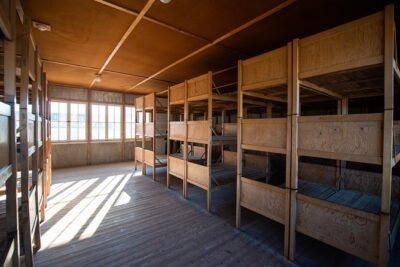
You will see photographs, records, reconstructed cell blocks, the former administrative area, and the crematorium. The buildings and displays work together. One room may explain the official structure of the camp, while another shows the human cost behind those systems.
A guide helps you understand what deserves your attention. The site is large, and a self-guided visit can easily become a rushed walk from one building to the next. Here, you receive an organized explanation first, then have allocated time to look at subjects that interest you.
That independent time is a real advantage. The guide does not try to control every minute. After the main explanation, you can spend time with the museum and memorial areas at your own pace. Someone interested in prisoner testimony may want to read more, while someone focused on Nazi administration may prefer the documents and institutional history.
The material can be upsetting. Give yourself permission to pause. You do not need to keep moving simply because the group has moved on, and you should not expect the morning to feel light or entertaining. The purpose is understanding and remembrance.
Why the small group makes a difference
The maximum group size is 15 people. Some departures may be smaller, and a group of five, for example, makes it easy to hear every explanation and ask questions without interrupting the flow.
This format also suits Dachau because the subject often raises specific questions. You might want to understand the camp’s administration, the treatment of a particular prisoner group, or the connection between Munich politics and the camp. A small group gives the guide more room to respond.
Alun is the named guide associated with this experience. His strongest qualities are organization, calm delivery, and the ability to explain the subject at different levels. People with a strong interest in World War II can ask detailed questions, while people with only general background can follow the wider story.
The guide also knows when to stop talking. That sounds basic, but it matters at a memorial. Constant narration would make the visit feel crowded. The balance between explanation and personal time is one of the tour’s best features.
Other Third Reich and wartime history tours in Munich:
- Munich: Third Reich & WWII Walking Tour
★ 4.6 · 6,181 reviews - Third Reich Walking Tour Munich
★ 4.5 · 4,291 reviews - Munich: Birthplace of the Third Reich Guided Walking Tour
★ 4.6 · 771 reviews - Munich World War II Sites Including Dachau Concentration Camp
★ 4.5 · 570 reviews
Returning to Munich and taking a lunch break
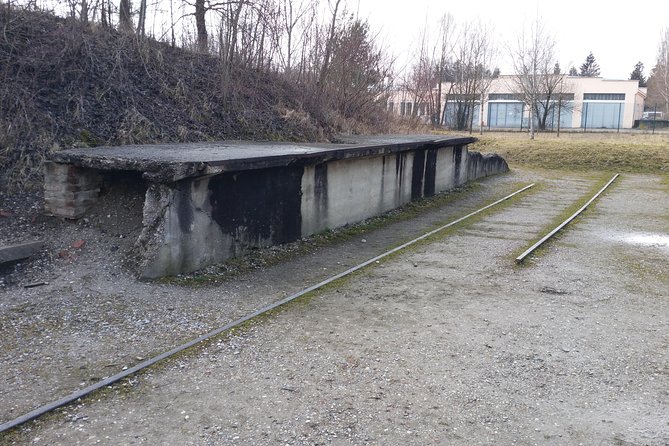
After the Dachau visit, you return to Munich by train with the guide. Lunch is not included, so you pay for your own meal during the break before the afternoon walking tour.
The schedule does not provide a fixed restaurant or meal, which gives you flexibility but also means you should plan for a quick, practical lunch. Since the second half includes more walking, do not treat the break as optional. You will appreciate the chance to sit down, eat, and process the morning.
The break also creates a useful change of pace. Dachau requires sustained concentration. Returning to the center of Munich before starting the city walk lets you reset without ending the historical thread.
Marienplatz and the Nazi story in central Munich
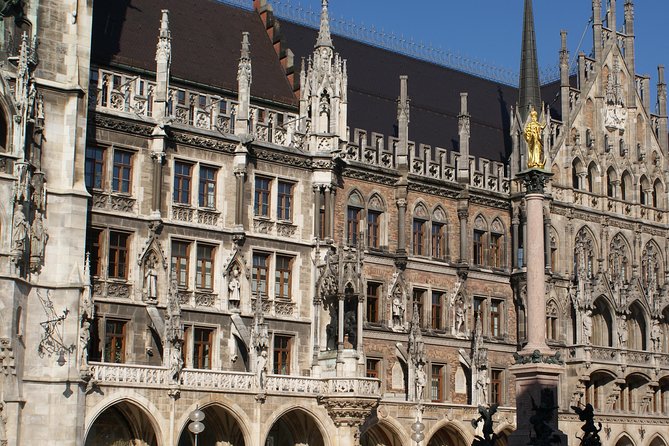
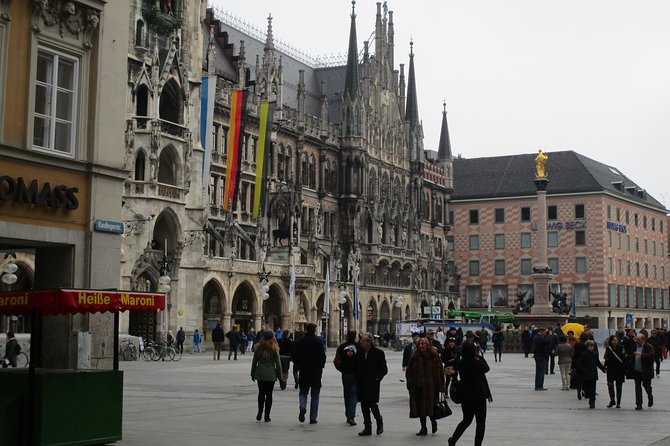
The afternoon tour begins around Marienplatz and covers locations connected to Adolf Hitler and the Nazi Party. The point is not simply to identify buildings. It is to show how political movements operated in ordinary city spaces, using public squares, meeting places, institutions, and ceremonies.
The Old Town Hall is one of the more disturbing stops. It is associated with the decision in 1938 to carry out a pogrom against Germany’s Jewish population. The stop is brief, about 10 minutes, but the historical meaning is substantial.
You then walk past the Staatliches Hofbräuhaus, where Hitler regularly gave speeches. This helps explain the importance of beer halls and public speaking in Munich’s political life. The building itself is still part of the city’s everyday setting, which can make the historical connection feel especially close.
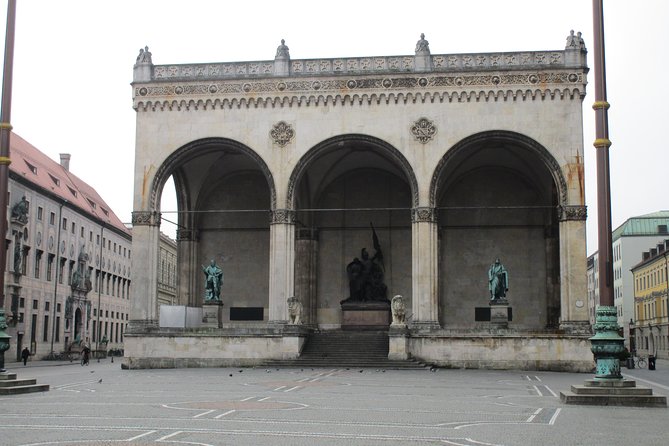
At Odeonsplatz, the guide discusses the Beer Hall Putsch of 1923. This was an early attempt by Hitler and his supporters to seize political power. Seeing the location helps place the event on an actual city map rather than leaving it as a disconnected textbook episode.
Königsplatz and the afternoon’s wider context
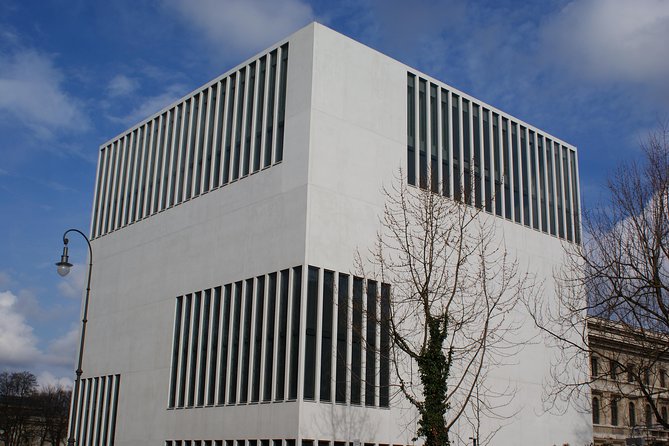
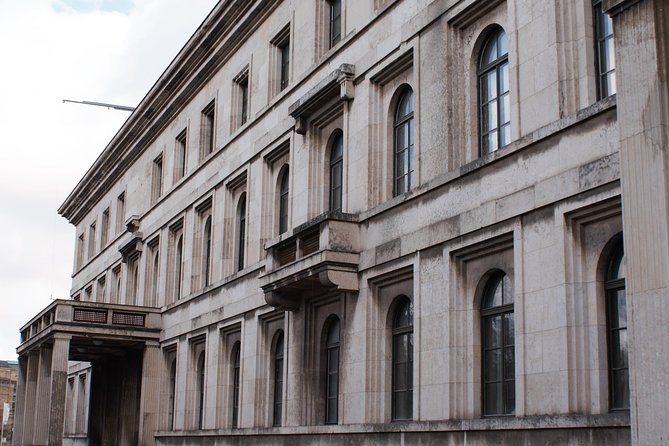
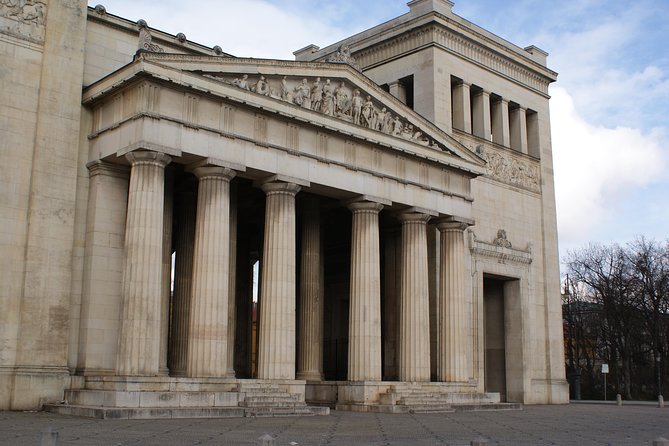
Königsplatz provides another important stop. The tour discusses the Munich Agreement of 1938 and Nazi ceremonies held at the square.
The location is useful because it shows how architecture and public space can be used for political display. A large ceremonial setting can turn ideology into spectacle, giving a movement a sense of order, power, and public legitimacy.
The afternoon walk lasts about two hours in total, though the individual stops vary from 10 to 15 minutes. That means you are not standing at every location for a long lecture. Instead, you move through central Munich while the guide builds a chain of events and places.
This part is particularly useful if you want more than a visit to Dachau. The memorial shows the consequences of Nazi rule. The Munich walk examines some of the political settings and early events that preceded those crimes. Taken together, the two halves give you a fuller framework.
What the guide adds to the experience
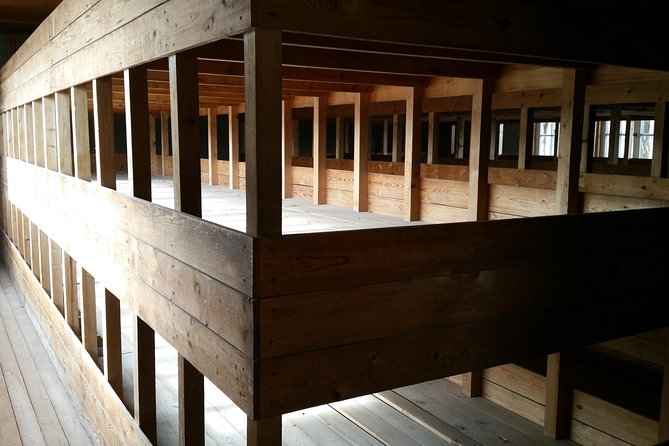
You can visit Dachau without a guide, but you would be responsible for finding the right route through the grounds, selecting what to read, and building the historical connection yourself. For a site of this scale and seriousness, that is a demanding task.
Alun’s role is not only to provide facts. He gives context, manages time, leads the train journey, and makes room for questions. He also knows the memorial’s layout well enough to reduce unnecessary crowding and keep the group together.
That practical control has value. A train delay or busy summer day can easily disrupt a carefully planned visit. The guide’s experience and backup planning help keep the schedule workable when public transport does not run perfectly.
The tone matters just as much. The best feedback about this tour focuses on respect, clear speech, and thoughtful answers. You should expect a guide who treats the subject as an educational and human responsibility, not as a performance.
Price and what you receive for $145.18
At $145.18 per person, this is not the cheapest way to reach Dachau. You can arrange public transport and visit the memorial independently for less, especially if you are comfortable reading the museum material and planning your own route.
The price includes a professional guide and transportation costs. It also buys you a full day rather than a short transfer and quick visit. You receive about five hours at Dachau, a return journey to Munich, a lunch break, and a two-hour Third Reich walking tour.
I see the value mainly in the guide’s time and the small group. A crowded tour can make a serious site feel rushed and impersonal. A group limited to 15 gives you a better chance to hear, ask questions, and spend time with the material.
The price is easiest to justify if you want historical explanation and smooth logistics. It is less compelling if you prefer independent visits, already know the history well, or want a relaxed day with minimal walking.
Who should book this day tour
This experience suits adults and older teenagers with a serious interest in World War II, German history, or the rise of National Socialism. It also works for people who do not usually enjoy history but want a clear guide to help them make sense of the subject.
The tour can suit families with children aged 14 or older, provided everyone understands the emotional weight of the visit. The material is disturbing, and younger children are not allowed.
You should have moderate physical fitness. The day includes train travel, walking between sites, standing during explanations, and movement around the memorial grounds. Comfortable shoes and weather-appropriate clothing are essential.
You should not book this expecting entertainment or a cheerful group outing. The afternoon in Munich is more active and varied, but the central subject remains serious from beginning to end.
Booking, cancellation, and practical details
The tour starts at 9:00 a.m. at Marienplatz in central Munich and ends back at the same meeting point. Hotel pickup and drop-off are not included.
A mobile ticket is provided, and the tour is offered in English. Service animals are allowed, and the experience operates in all weather conditions.
Free cancellation is available if you cancel at least 24 hours before the local start time. Cancellations or changes made less than 24 hours in advance are not accepted for a refund.
Should you book it?
Book this tour if you want Dachau explained carefully rather than simply visited. The five-hour memorial visit, small group, included transport, and afternoon Munich walk create a demanding but useful day.
I would choose it for a first visit to Dachau, especially if you want the political background behind the memorial. I would skip it only if you need a lighter itinerary, dislike organized walking tours, or already have a strong plan for exploring both Dachau and Nazi-era Munich on your own.
For most people who want context, respectful guidance, and efficient use of one day in Munich, the higher price is reasonable. Just arrive prepared for a long, sobering day.
FAQ
Where does the tour begin?
It begins at Marienplatz in central Munich at 9:00 a.m.
Where does the tour end?
The activity ends back at the Marienplatz meeting point.
How long is the tour?
The full experience lasts approximately eight hours.
How do you get to Dachau?
The group travels by train from central Munich. Transportation costs are included, and the ride takes approximately 20 minutes.
How much time is spent at Dachau Memorial Site?
The Dachau portion lasts about five hours, including the guided visit and allocated time for the museum exhibition.
Is lunch included?
No. Lunch, food, and drinks are not included, and you pay for your own meal during the break.
Is the tour suitable for children?
Children under 14 are not permitted. The tour also requires a moderate level of physical fitness because a high amount of walking is involved.
What happens if I need to cancel?
You can receive a full refund if you cancel at least 24 hours before the experience start time. Cancellations or changes made less than 24 hours in advance are not accepted.
Recently reviewed in Munich
- München: Vegetarische Viktualienmarkt-Probiertour Deutsch★ 4.8 · 6 reviews
- Wright Europe Vacations – Private Escorted Auto Tours★ 5.0 · 35 reviews
- Best of Munich Electric Bike Tour★ 5.0 · 38 reviews
- Munich Walking Quiz: Explore and Discover the City’s Highlights★ 5.0 · 7 reviews
- Walking Tour on Resistance to Nazism in Munich★ 5.0 · 8 reviews
- Private Transfer from Munich to Salzburg with 2 hours for sightseeing★ 4.5 · 13 reviews
- Private Transfer from Munich to Vienna with 2 hours for sightseeing★ 4.5 · 6 reviews
- 2 hour Sights Guided E-Scooter Tour in Munich★ 4.0 · 6 reviews
Dachau Memorial Tours, compared.
Dachau Concentration Camp Memorial Site Tour from Munich by Train
Read our review →
Dachau Concentration Camp Memorial Tour with Train from Munich
Read our review →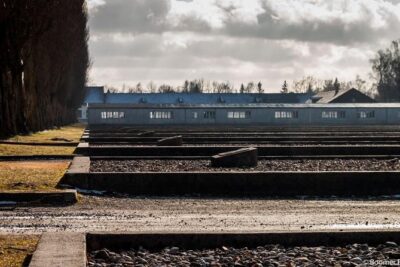
Full-Day Dachau Concentration Camp Memorial Site Tour from Munich
Read our review →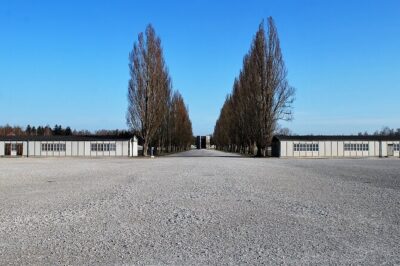
Dachau Small-Group Half-Day Tour from Munich By Train
Read our review →
Munich World War II Sites Including Dachau Concentration Camp
Read our review →Browse the lists this tour appears in