
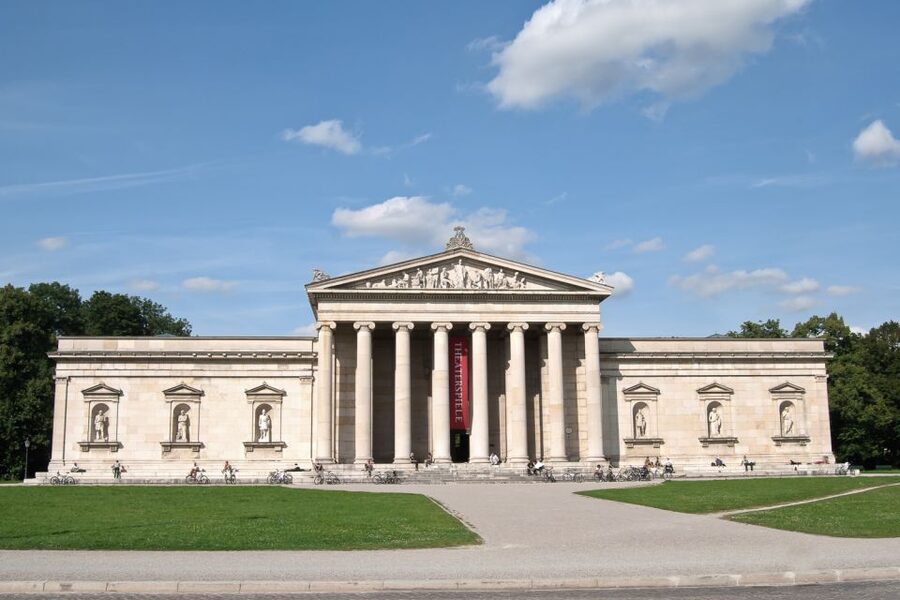
Reviewed · MUNICH THIRD REICH & WWII TOURS
Munich: Third Reich & WWII Walking Tour
Munich was not just a backdrop to Nazism. It was one of the places where the movement found its voice, organized its followers, and made its first grab for power. This 2.5-hour walking tour follows that story through the city center, from early Nazi meetings at the Hofbräuhaus to the failed coup at the Feldherrnhalle and the party rallies at Königsplatz.
I like the route’s real connection to physical places, and I like that it includes the White Rose resistance movement instead of treating Munich only as Hitler’s city. Guides such as Michael, Steve, Alex, Josh, Danielle, Florian, and Ulrich have been praised for clear explanations, strong storytelling, and a respectful approach to difficult material.
The main drawback is simple: this is an outdoor walking tour lasting up to 165 minutes. Cold, rain, noisy streets, a large group, or a hard-to-find meeting point can affect the experience, so wear good shoes and dress for the forecast.
Key points to know before you book
- Hofbräuhaus: Learn how Munich’s famous beer hall became tied to the early Nazi movement and its first mass meeting.
- Feldherrnhalle: See the site of Hitler’s failed 1923 attempt to seize power in Bavaria.
- Königsplatz: Stand where Nazi party rallies and grand political staging turned public space into propaganda.
- White Rose resistance: Hear about the Munich students who opposed Hitler, adding an essential note of courage and moral choice.
- Guide quality varies by departure: Michael, Steve, Alex, Josh, Danielle, Florian, and others have all led highly praised tours, though the exact guide depends on the booking.
- Outdoor format: The tour is wheelchair accessible, but you still need comfortable footwear and clothing suited to two and a half hours outside.
Why Munich is the right place to study the Third Reich
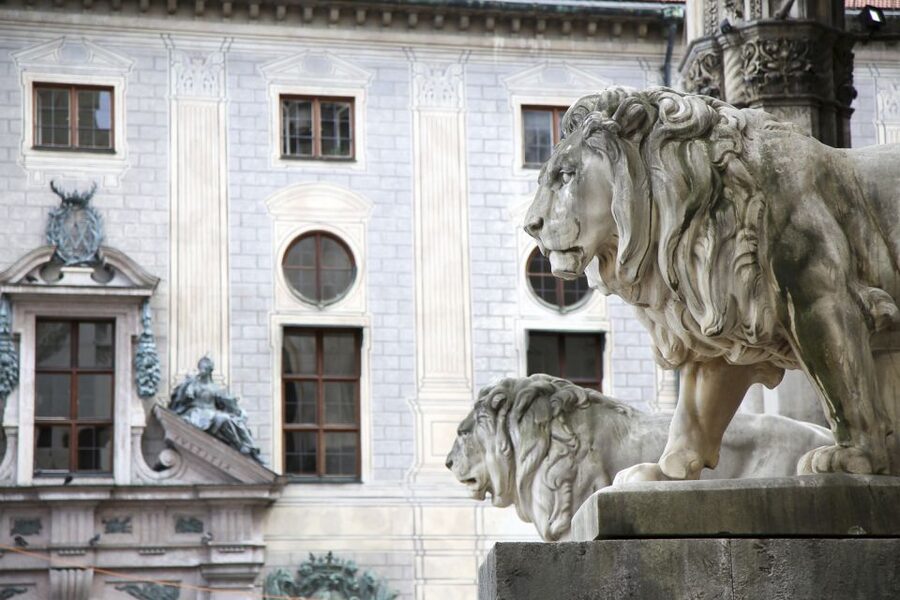
Munich gives this subject a useful sense of scale. You are not only hearing about national events from a distant museum room. You are walking through the city where Hitler first built a political base, where the Nazi Party staged public displays, and where resistance also took shape.
The story begins in the unsettled years after World War I. Germany had lost the war, the political order was shaky, and Bavaria was marked by revolution, violence, and assassinations. Inflation and public anger created an opening for radical movements that promised order, pride, and revenge.
That context matters. Hitler did not appear in a vacuum, and the tour explains how a defeated society could become receptive to extreme politics. I find this one of the strongest reasons to choose a city walking tour on the subject: the guide can connect political ideas to the streets, squares, meeting halls, and monuments around you.
This is also not a tour that treats the Third Reich as a parade of famous names and dates. The route follows the mechanics of power: meetings, speeches, symbols, crowds, failed violence, and the use of public space. You get a clearer sense of how a movement moves from the margins into ordinary civic life.
Other Third Reich and wartime history tours in Munich:
- Third Reich Walking Tour Munich
★ 4.5 · 4,291 reviews - Munich: Birthplace of the Third Reich Guided Walking Tour
★ 4.6 · 771 reviews - Munich World War II Sites Including Dachau Concentration Camp
★ 4.5 · 570 reviews
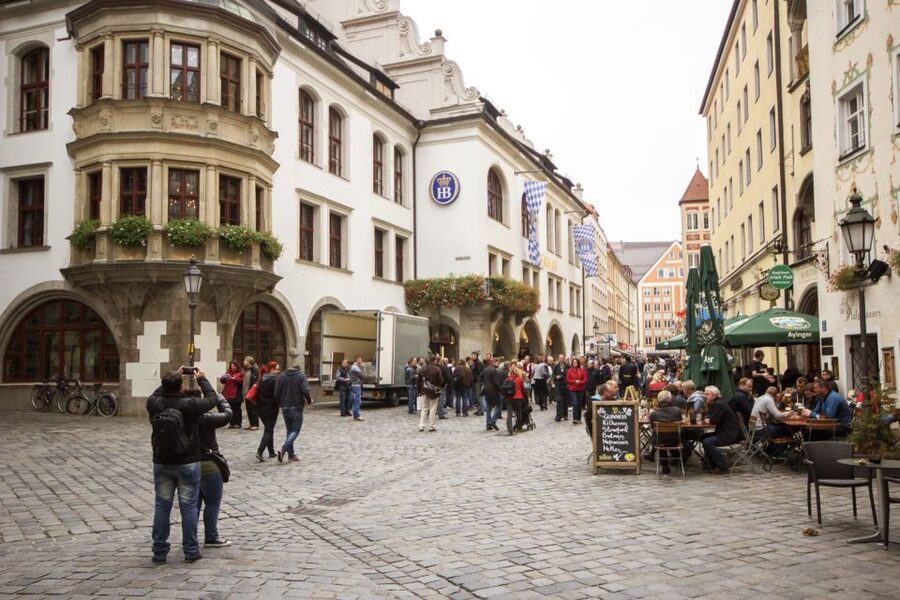
Hofbräuhaus and the first mass meeting
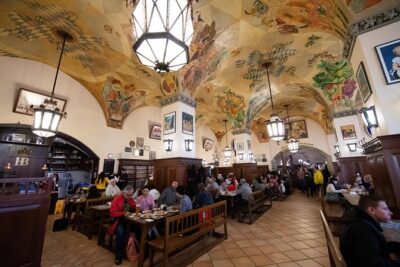
The Hofbräuhaus is one of Munich’s best-known beer halls, which makes it an effective starting point for the political story. The building is associated with the early Nazi movement and the first mass meeting described on this tour.
You should not expect the visit to function like a formal museum entry. The value is in standing at a familiar public place and hearing how political organizers used popular venues to attract crowds, spread ideas, and turn speeches into group identity. The contrast can be unsettling. A place known today for beer, food, and Bavarian tradition also played a role in the movement’s early public life.
Your guide will place the meeting in the wider setting of postwar Munich. You will hear about the bitterness of defeat, the unrest in Bavaria, and the conditions that allowed Hitler to gain attention. This background keeps the stop from becoming a simple Hitler biography.
The Hofbräuhaus can also be busy and noisy. A guide who projects well makes a real difference, especially if the group is large. Steve, Michael, Josh, and several other guides have been praised for speaking clearly, while one visitor specifically suggested that a small speaker could help when crowds are loud. Stay close to the guide and do not assume every word will carry across a packed square or busy street.
Feldherrnhalle and the failed 1923 coup
The next major stop is the Feldherrnhalle, a monumental loggia near the center of Munich. Here, the tour explains Hitler’s failed attempt to seize power in 1923, an event often known as the Beer Hall Putsch.
This is one of the route’s most important stops because it shows that Hitler’s rise was not smooth or inevitable. The attempted coup failed. Hitler was arrested, and the movement had to change its tactics. The lesson is practical as well as historical: political movements can adapt after defeat, and a failed violent push for power may be followed by a more calculated campaign through legal and electoral channels.
At the Feldherrnhalle, the setting helps you picture how political drama played out in public. The location became a symbol for Nazi supporters, while the confrontation itself helped shape the movement’s mythology. Your guide will explain the event rather than merely point to the monument.
This is also a place where strong guiding matters. A bare list of dates can make the stop feel flat. Guides such as Alex, Josh, Florian, and Michael have been praised for using anecdotes, humor where appropriate, and clear explanations to make the political sequence easier to follow.
The subject is grim, and humor must be handled carefully. The best approach is respectful, direct, and focused on how propaganda worked. Several guides have been praised for maintaining that balance.
Königsplatz and the architecture of mass politics
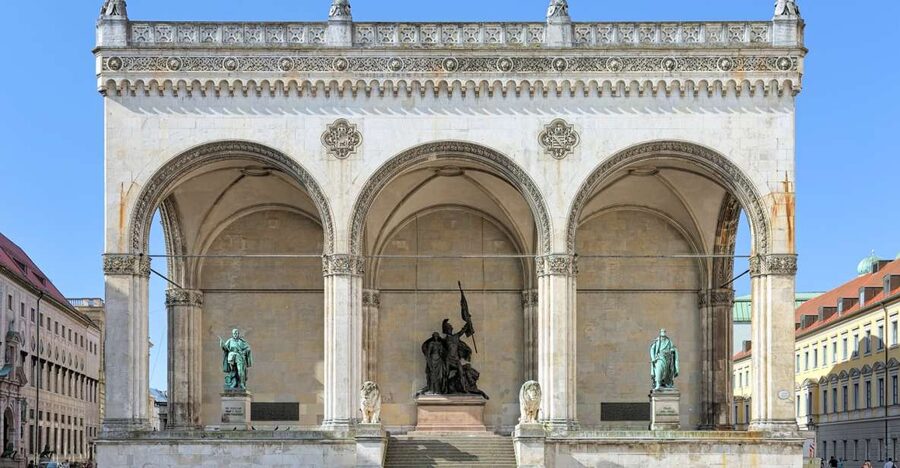
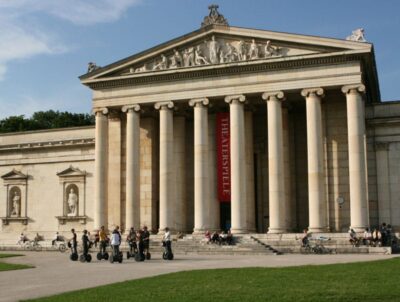
Königsplatz shows how architecture and public space can serve political power. The square was used for Nazi party rallies, and its broad layout made it suitable for spectacle, marching, and carefully staged public events.
I like this part of the walk because it moves the discussion beyond speeches and personalities. You can see how a city square can be turned into a political theater. The scale, formal design, and open space helped create a sense of order and collective strength, even when the political project behind the display was violent and destructive.
Your guide will explain how Nazi imagery and mass gatherings shaped public perception. You will also learn how Munich became central to the movement’s public identity. This is useful for anyone who has seen photographs of Nazi rallies but has not considered how much planning went into the setting.
The route’s listed final point is Königsplatz, though one person reported that the tour ended elsewhere on one occasion. If this stop is a key reason for booking, confirm the current meeting and ending details when you reserve. The route and meeting point can vary by option.
Königsplatz also connects naturally with Munich’s Documentation Center, which one participant visited after the walk. The center is not included in the guided tour, but the tour can give you a useful framework before you continue there on your own.
More walks through the old town:
- Munich: Old Town & Viktualienmarkt City Walk in German
★ 4.7 · 2,304 reviews - Munich: Night Watchman Walking Tour
★ 4.7 · 2,092 reviews - Munich Ghosts and Spirits Evening Walking Tour
★ 5.0 · 1,900 reviews - Munich Old Town Walking Tour
★ 4.5 · 1,287 reviews
Hofgarten and the White Rose resistance
The stop at the Hofgarten adds a much-needed change in focus. Instead of following only the people who built the Nazi state, you hear about the White Rose resistance movement.
The White Rose was a group of Munich students and others who opposed the regime. Their story reminds you that political repression did not erase individual judgment, even though resistance carried enormous danger. Including this material makes the tour more honest and more useful. Munich’s wartime story is not only one of Nazi organization and destruction.
This part may be especially meaningful if you are visiting with older children or students. The guide can connect the White Rose to questions about conscience, responsibility, and the choices available to ordinary people under dictatorship. The tour data does not promise a separate museum visit or indoor exhibit, so expect the story to be told on location.
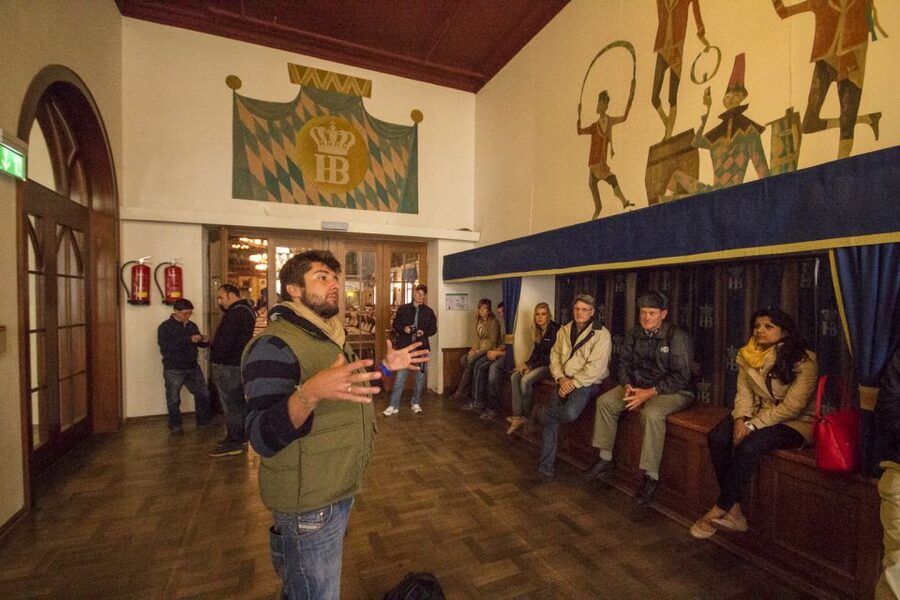
The Hofgarten stop also helps break up the route. You are still outside, but frequent stops mean you are not walking continuously for two and a half hours. Some guides take the group indoors when the weather is poor, though that depends on the guide and conditions.
What the guide can add to the experience
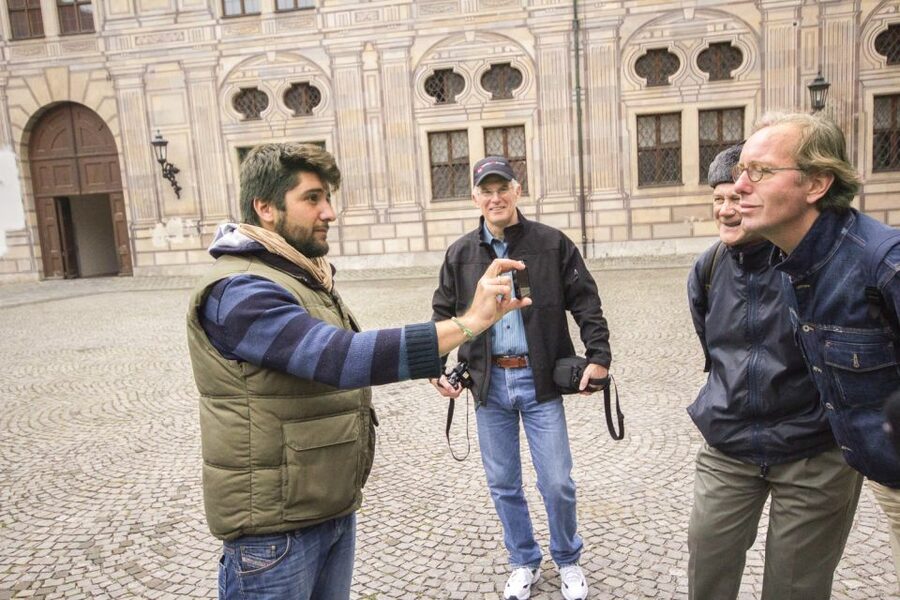
A walking tour on this subject rises or falls with the guide. The facts are important, but so is the ability to explain them without turning the walk into a long, shapeless lecture.
The strongest guides named in the feedback include Michael, Steve, Alex, Josh, Danielle, Florian, Ulrich, Aileen, Brigit Muller, and others. Their styles differ, but the praise tends to center on the same qualities: clear delivery, strong command of the subject, patience with questions, and a serious attitude toward the material.
Josh has been singled out for keeping a large group engaged for more than two hours, projecting his voice, and connecting the lessons of Munich to the present day. Steve has been praised for bringing tea, disposable cups, and mats for sitting on wet ledges during cold or snowy conditions. Danielle has been described as both engaging and attentive to group comfort. Michael is often noted for enthusiasm and a friendly manner.
That does not mean every departure will feel identical. You may get a guide who uses more humor, more political detail, or more personal stories. The guide’s name may depend on the date and option you choose, so treat the names above as examples rather than a guarantee.
Large groups can make the experience less personal. One participant found the meeting point difficult to identify in the busy city center, and another felt that the guide gave too many reminders to stay attentive. These are small concerns, but they matter if you prefer a quiet, flexible tour.
Walking conditions, weather, and accessibility
Bring comfortable shoes. The route covers several central Munich locations and lasts around 165 minutes, so this is not the place for stiff new footwear.
You will spend much of the time outdoors. Cold weather has been a recurring concern in winter departures, and one person specifically advised bringing warm clothing. Rain and snow do not stop the tour, but they can make standing and sitting uncomfortable. A waterproof jacket, warm layers, and gloves are sensible choices in colder months.
The tour is listed as wheelchair accessible. Since the route is in the city and the meeting point can vary by option, check the exact booking details if you use a wheelchair or have limited mobility. Accessibility does not remove the need to allow for outdoor conditions, crowds, and the length of the walk.
Frequent stops help. Several comments describe the tour as stopping often rather than requiring long stretches of uninterrupted walking. Still, this is an active experience, not a seated lecture.
Is $31 a fair price?
At $31 per person, I consider this a good value if you want a serious introduction to Munich’s Nazi-era story. You are paying for 165 minutes of guiding across several important locations, rather than for admission to a single building.
The price is especially reasonable if you are new to Munich or have only a general knowledge of Hitler’s rise. A good guide gives you the order of events, the local setting, and the links between places that are easy to visit separately but harder to understand as one story.
The value is less clear if you already have a detailed understanding of the Third Reich and want access to original documents, exhibitions, or preserved interiors. This is a street-based history tour. Its strength is place and explanation, not museum objects.
A private group is available if you want more control over the pace or a more personal format. The standard experience may be better for keeping the cost down, but a private option could suit families, school groups, or people with specific questions.
Free cancellation up to 24 hours before the activity and reserve now, pay later terms give you useful flexibility. The exact meeting point depends on the option booked, so check that carefully before heading into the city center.
Who should take this Munich walking tour?
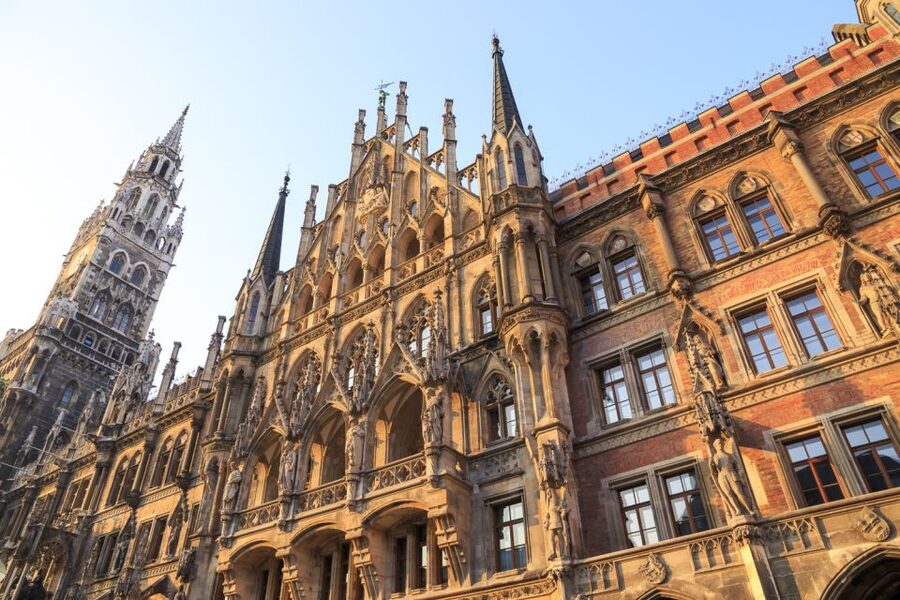
I would choose it for a first visit to Munich, especially if you want to understand how the city relates to the rise of Nazism rather than simply see famous buildings.
It suits:
- People interested in World War II and modern German history
- Families with older children who can manage a serious subject and a long outdoor walk
- Students who want local context before visiting a documentation center
- Visitors who prefer stories connected to real streets and squares
- Anyone who wants the White Rose included alongside the Nazi story
I would think twice if you dislike outdoor tours, struggle with long periods of standing, or want a highly visual museum experience. The subject is also emotionally heavy. It is not a light sightseeing stroll, even when a guide uses occasional humor to keep the group focused.
Should you book it?
Book this tour if you want to understand how Munich became a center of the Nazi movement, not just memorize a few dates. The Hofbräuhaus, Feldherrnhalle, Königsplatz, and Hofgarten create a strong route, and the inclusion of the White Rose gives the story needed balance.
Go prepared for cold weather, city noise, a possible large group, and a guide-led pace. If you can give the subject your full attention for 165 minutes, $31 is a sensible spend. I would pair the walk with Munich’s Documentation Center afterward if you want exhibits and written material to build on what you have heard.
FAQ
How long does the Munich Third Reich and WWII Walking Tour last?
The tour lasts approximately 2.5 hours, or 165 minutes.
How much does the tour cost?
The listed price is $31 per person.
Which Munich locations are included?
The tour includes the Hofbräuhaus, Feldherrnhalle, Königsplatz, and a stop in the Hofgarten focused on the White Rose resistance movement.
What does the tour cover?
It covers the birth of Nazism in Munich, Hitler’s rise to power, the growth of his movement, the failed attempt to seize power at the Feldherrnhalle, Nazi party rallies, and resistance to the regime.
Is the tour conducted in English?
Yes. Live guides are available in English and German.
Is the walking tour wheelchair accessible?
Yes, the activity is listed as wheelchair accessible.
Is a private group option available?
Yes, a private group is available as an option.
What should I bring?
Bring comfortable shoes. Warm or waterproof clothing is also sensible when the weather is cold, rainy, or snowy because much of the tour takes place outdoors.
Can I cancel for a full refund?
Yes. You can cancel up to 24 hours in advance for a full refund.
Do I have to pay when I book?
No. The reserve now and pay later option lets you hold your place without paying immediately.
Recently reviewed in Munich
- München: Vegetarische Viktualienmarkt-Probiertour Deutsch★ 4.8 · 6 reviews
- Best of Munich Electric Bike Tour★ 5.0 · 38 reviews
- Wright Europe Vacations – Private Escorted Auto Tours★ 5.0 · 35 reviews
- Munich Walking Quiz: Explore and Discover the City’s Highlights★ 5.0 · 7 reviews
- Walking Tour on Resistance to Nazism in Munich★ 5.0 · 8 reviews
- Private Transfer from Munich to Salzburg with 2 hours for sightseeing★ 4.5 · 13 reviews
- Private Transfer from Munich to Vienna with 2 hours for sightseeing★ 4.5 · 6 reviews
- 2 hour Sights Guided E-Scooter Tour in Munich★ 4.0 · 6 reviews
Munich Third Reich & WWII Tours, compared.
Birthplace of the Third Reich Guided Walking Tour
Read our review →
Munich World War II Sites Including Dachau Concentration Camp
Read our review →
Munich 3-Hour Segway Tour: Nazi Munich & Royal Architecture
Read our review →
Dachau Concentration Camp Memorial Site And Third Reich Day Tour From Munich
Read our review →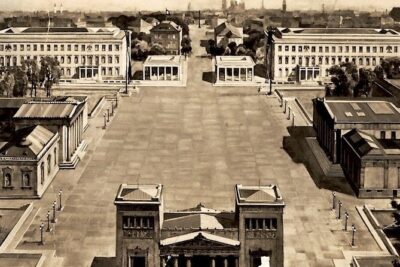
Third Reich and World War II Segway Tour of the City
Read our review →Browse the lists this tour appears in