
Reviewed · DACHAU MEMORIAL TOURS
From Munich: Dachau Memorial Site Day Tour
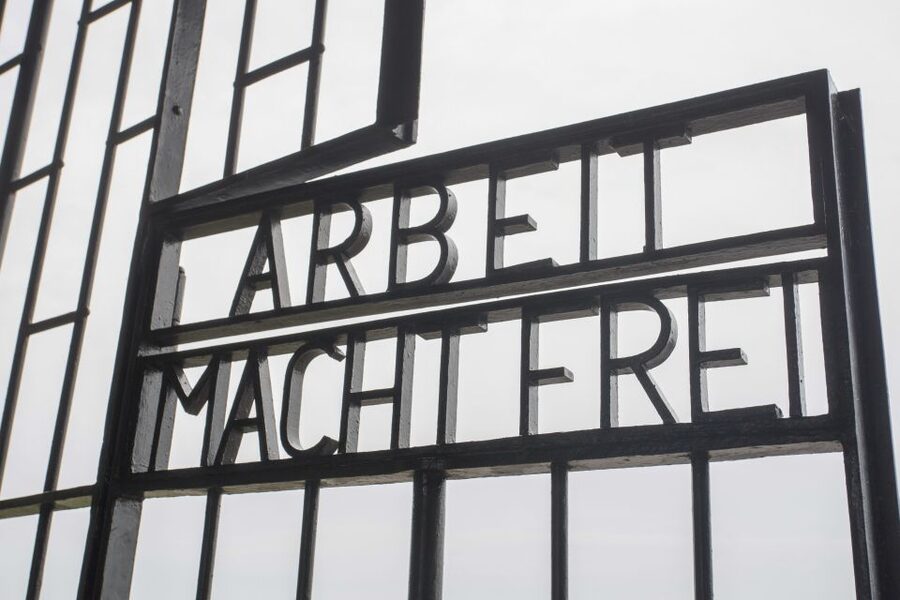
Dachau Memorial is not a sightseeing stop in the usual sense. It is a place of remembrance and education, where the former camp grounds, cells, barracks, museum, and crematorium area make the history of Nazi persecution painfully concrete. The journey from Munich is straightforward, and a guide gives the visit structure that can be hard to find on your own.
I like the public-transport format, since you travel as Munich residents do rather than being sealed inside a tour bus. I also like the guides’ careful handling of the subject. Aileen, Alex, Thomas, Jessie, Michael, Stephanie, and Conni are repeatedly praised for clear explanations, compassion, and a willingness to answer difficult questions.
The main drawback is time. Five hours covers the key areas, but the museum and exhibits contain far more material than you can absorb in one visit. Public trains and buses can also be crowded or delayed, and school groups may make the memorial site noisier than you expect.
Key points to know before booking
- The tour begins at Marienplatz: Meet in front of the Tourist Information office at Munich’s Gothic Town Hall, where the guide carries a yellow sign with red lettering.
- The journey uses public transport: Your guide handles the train and bus connections, so you do not need to work out the route alone.
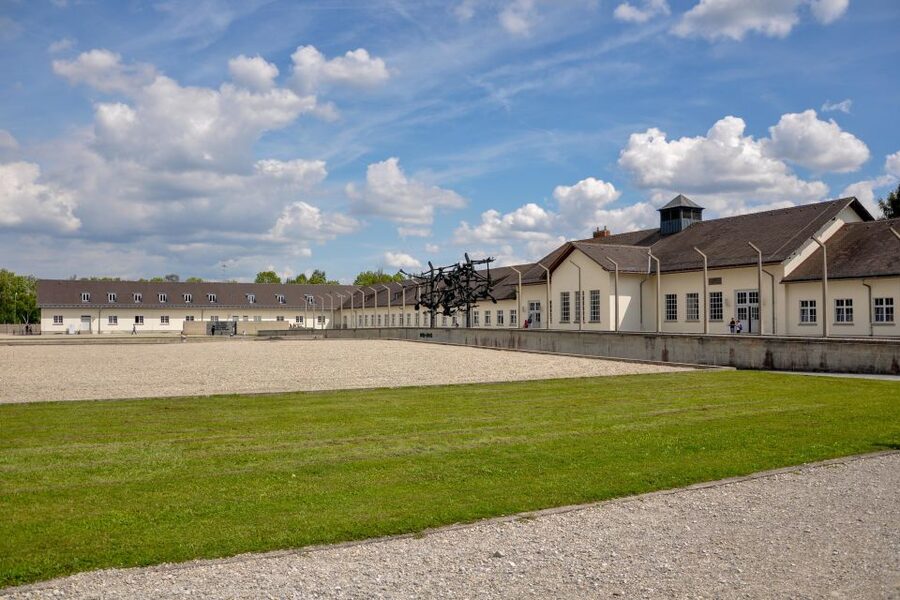
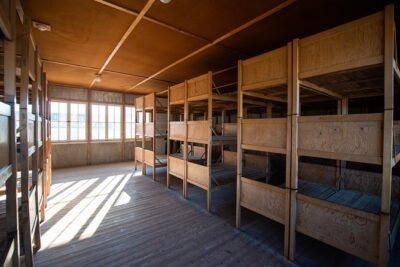
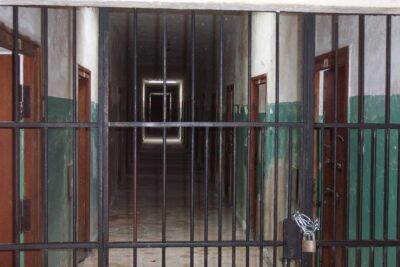
- The visit covers the central memorial areas: Expect former barracks, prisoner cells, the museum exhibition, and the former gas chamber and crematorium area.
- The afternoon departure is quieter: The 1:10 PM tour is recommended if you want fewer school classes and groups at the site.
- The tone is serious but personal: Guides use prisoner accounts, photographs, and historical explanation to show what everyday life was like.
- The price is $49 per person: That includes the guide, public transport ticket, and transfers by public transport.
From Munich’s Marienplatz to the memorial site
Your morning or afternoon starts in the center of Munich, in front of the Tourist Information office at the Gothic Town Hall in Marienplatz. Look for a yellow sign with Dachau Memorial Tour written in red. Arrive early, since the tour leaves at the stated time and does not wait for late arrivals.
From there, you travel by public train and bus. This is part of the practical value of the tour. Dachau is outside central Munich, and the route involves more than simply walking to a nearby museum. A guide keeps the group together, explains where to go, and handles the transport tickets included in the price.
The train ride gives you views of the countryside outside Munich, but do not expect a scenic rail excursion. The important benefit is ease. You can pay attention to the history instead of watching station names or trying to decide which connection comes next.
Transport is not completely predictable. Delays have affected some departures, and buses can become very full, especially on busy days. Guides such as Jessie and Thomas have been praised for keeping groups organized when connections were crowded or delayed. Still, you should expect some standing and a little bustle on public transport.
If you use a wheelchair or have difficulty walking, arrive 10 minutes before departure. The group uses a different platform entrance, and a carer is required. The tour is listed as wheelchair accessible, but the early arrival and assistance requirement matter.
Other guided visits to the Dachau memorial site:
- Dachau Concentration Camp Memorial Site Tour from Munich by Train
★ 4.5 · 5,637 reviews - From Munich: Dachau Memorial Site Half-Day Trip
★ 4.7 · 2,526 reviews - From Munich: Dachau Memorial Site Full-Day Tour
★ 4.9 · 1,406 reviews
Understanding Dachau before entering the grounds
Dachau was the first German concentration camp, opened outside Munich in 1933. That date matters. The camp was not created only during the later years of the Second World War. It became an early model for the concentration camp system under National Socialism, and its existence near Munich makes the history especially direct for anyone visiting Bavaria.
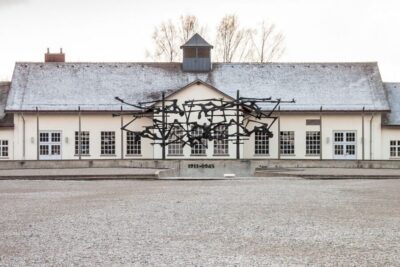
Since 1965, the grounds have served as a memorial and educational site. The purpose is not to recreate the camp as a theme park or turn suffering into spectacle. The preserved remains, reconstructed sections, museum displays, and memorial spaces are there to document what happened and to encourage serious thought about the people imprisoned there.
Your guide sets out the political and social background before leading you through the site. This helps you understand the camp as part of a wider system, rather than as a collection of isolated rooms and buildings.
The strongest guides do more than recite dates. Thomas has been praised for using photographs and personal stories to add human detail. Aileen is noted for making people feel included while keeping the tone respectful. Michael, Alex, Mat, Stephanie, and Conni are also praised for presenting difficult material with care and clarity.
That personal approach is useful because the site can feel overwhelming. You may know the broad outline of the Holocaust already, yet still need help connecting the dates, buildings, policies, and individual lives. A guide can point out what matters and prevent the visit from becoming a long walk past signs.
Barracks, cells, and the layout of imprisonment
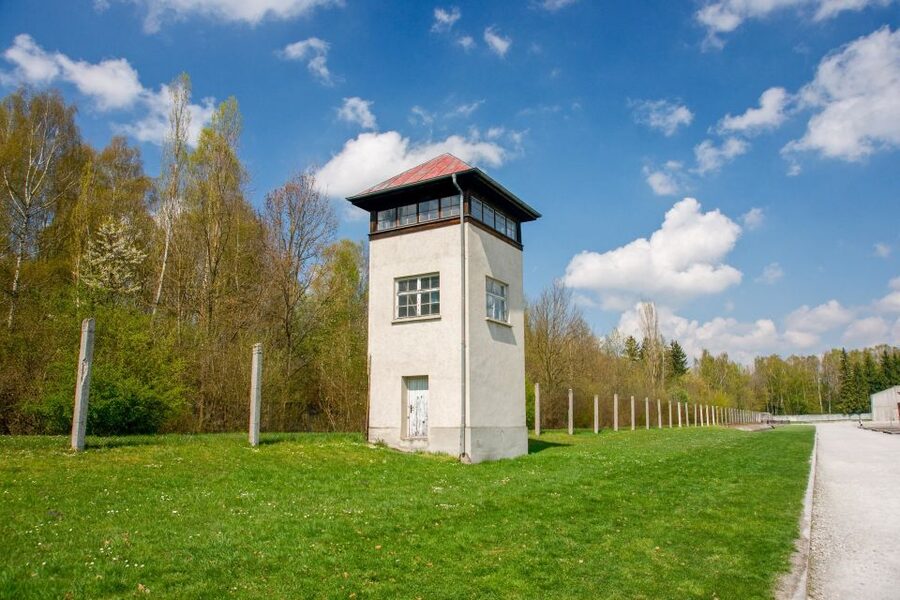
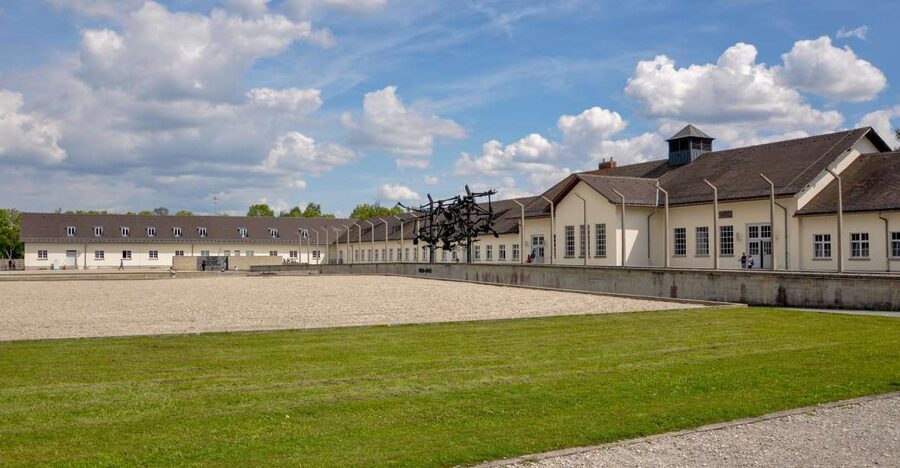
The former barracks help you understand the camp’s physical order. Rows of buildings, open areas, and controlled paths show how the site was planned to regulate prisoners’ movement and daily life. Even where original structures no longer survive, the arrangement of the grounds communicates the scale and discipline of the camp.
Inside the preserved or reconstructed areas, your guide explains the conditions prisoners faced. The tour uses prisoner reports, photographs, and written accounts to move beyond architecture. You hear about daily life from the people who endured it, rather than receiving only a general account of wartime events.
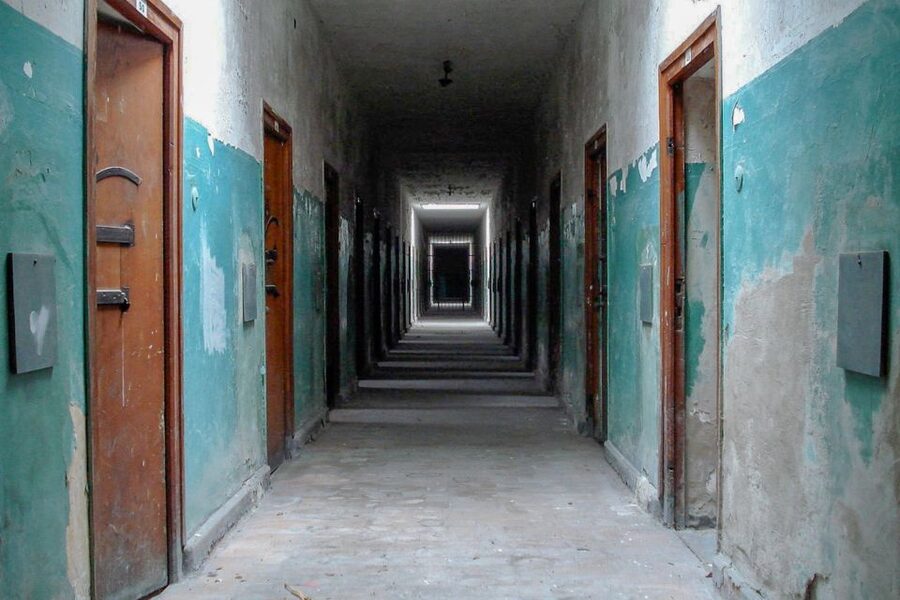
The cells offer another change in scale. A large camp can feel abstract from the outside, but a cell brings the experience down to a narrow, human space. Your guide explains how prisoners were treated and how the camp system operated, while leaving room for questions.
This is one reason I would choose the guided option over visiting alone. You could read the display panels yourself, but it would take time to identify the most important points and place them in order. A guide gives you the framework first, so the photographs and documents carry more meaning.
The tradeoff is that you follow the group’s pace. Some people want to stop longer at every photograph or document. Others need a moment away from the group because the subject is emotionally heavy. A five-hour tour cannot give unlimited time to every display.
The museum exhibition and prisoner accounts
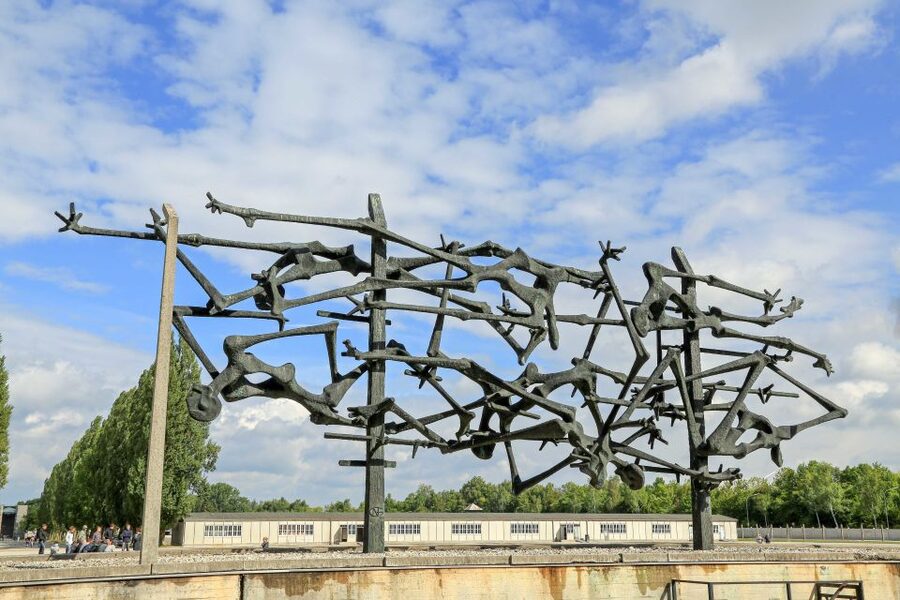
The Dachau Memorial Museum traces the camp from its opening in 1933 through liberation by the Allies in 1945. It includes photographs and reports from former prisoners, with material about everyday life inside the camp.
This is a major part of the visit, not an extra room to rush through. The museum gives names, faces, testimony, and context to the buildings outside. It also shows how the camp changed over time and how imprisonment affected people in ordinary, daily ways.
Plan your attention for the museum. The grounds are large enough to demand walking, but the exhibition asks for a different pace. You may want to read more than the schedule allows. Debbie and Greg both wanted additional time with the photographs and objects, although their guides worked to cover as much as possible within the allotted visit.
That is the clearest limit of this half-day format. It offers a guided introduction to Dachau, not an exhaustive study day. If you have a strong academic interest in the subject, you may leave with sections still unread. For most people visiting Munich, though, the tour provides a focused first encounter and a useful foundation for further reading.
Same city, a very different afternoon:
- From Munich: Neuschwanstein & Linderhof Castle Full-Day Trip
★ 4.5 · 12,494 reviews - Neuschwanstein & Linderhof Castle-Fairytale Day Tour from Munich
★ 4.5 · 7,275 reviews - Munich: Third Reich & WWII Walking Tour
★ 4.6 · 6,181 reviews - Neuschwanstein Castle Tour from Munich
★ 4.5 · 5,117 reviews
The former gas chamber and crematorium area
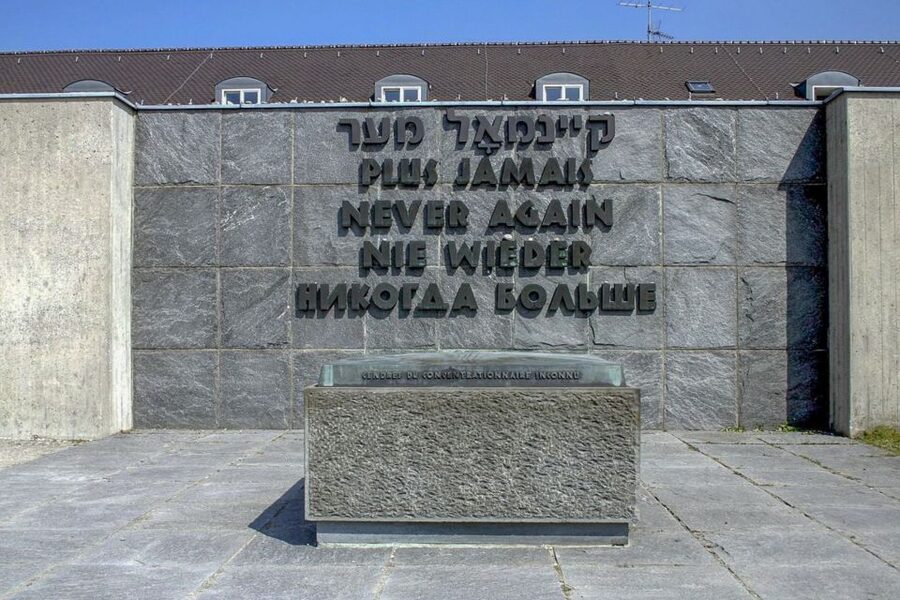
The former gas chamber is among the most sobering areas on the route. Your guide explains the site and its place in the camp’s history without turning it into a sensational stop. The building’s starkness does much of the work.
The crematorium area can be emotionally difficult. This is not a place for casual photographs or light conversation, and the tone of the group usually changes as you move through it. A good guide recognizes that people respond in different ways and allows the history to speak plainly.
You should not expect every part of the site to look exactly as it did during the camp’s operation. Some areas are preserved, some are reconstructed, and some are presented through exhibitions and memorial markers. The value lies in the combination of physical remains and documented testimony.
The visit is best approached with patience. You may feel sadness, anger, confusion, or simply silence. None of those responses needs to be performed for the group. The tour’s strongest feature is its respectful tone, not an attempt to make the experience feel easy.
Why the guide matters so much here
A Dachau visit is possible without a tour, but the guide changes the experience. You do not need someone merely to point out buildings. You need someone who can explain context, answer questions accurately, and judge when a detail needs more care.
The guides praised most often are strong in slightly different ways. Aileen is described as engaging, organized, and sensitive. Alex is praised for depth, kindness, and clear answers. Thomas is noted for detailed storytelling and for holding a group together during crowded transport. Jessie has been praised for guiding people through delays without losing the thread of the history.
Mat is described as friendly and thorough, while Michael is praised for passion and expert commentary. Stephanie has been noted for years of study and for making a very small group feel well cared for. Conni is praised for combining personal stories with facts and for helping people understand the human cost of the camp.
You cannot select a particular guide from the information provided, so treat these names as examples of the standard the tour aims for, not a promise of who will lead your departure. The consistent pattern is clear: the guide is the heart of the experience.
Guides also help with the practical side. They tell you where to meet, when to regroup, which bus stop to use, and how to return to Munich. That matters when a crowded bus separates people or a transport delay changes the timing.
Timing, crowd levels, and the five-hour schedule
The full tour lasts about five hours, including transport from Munich and the return journey. That makes it a manageable half-day addition to a Munich itinerary, but it is not a quick two-hour outing.
The afternoon departure at 1:10 PM is the best choice if you prefer fewer school classes and organized groups. That does not guarantee an empty site, but it may reduce crowding. Morning departures can be busier with school visits.
Crowds affect the emotional quality of the visit. A quiet barracks or museum room gives you more space to think. A packed bus or noisy group can make the same route feel rushed. The afternoon option is worth considering if you have flexibility.
Wear comfortable shoes. You will walk around the memorial grounds, and the tour includes public transport connections. Bring water, especially if you are visiting on a warm day. Pets and smoking are not allowed.
The tour is conducted in English with a live guide. If you need time alone after the memorial, avoid scheduling an important appointment immediately afterward. The return to Munich is included in the five-hour plan, but the subject itself may stay with you longer.
Is $49 a fair price?
At $49 per person, the value depends on what you want from the visit. The price includes the guided tour, public transport ticket, and transfers by public transport. You are paying for both the route and the guide’s time, not simply entry to the memorial.
The transport alone is not the main reason to book. You could potentially make your own way from Munich, but then you would need to manage the connections and learn the site without a guide. The stronger value comes from the historical explanation, prisoner accounts, and help deciding how to read the grounds.
For anyone unfamiliar with Dachau or the wider history of National Socialism, $49 is a fair price for a structured visit. It is also useful if you want to avoid the uncertainty of public transport. Independent visitors who already know the site well may prefer more time to read at their own pace.
Free cancellation up to 24 hours before departure and reserve now, pay later terms add flexibility. Those policies are useful when your Munich schedule is still changing, but the main decision should be the guided format and the limited time, not the booking terms.
Who should book this Dachau tour?
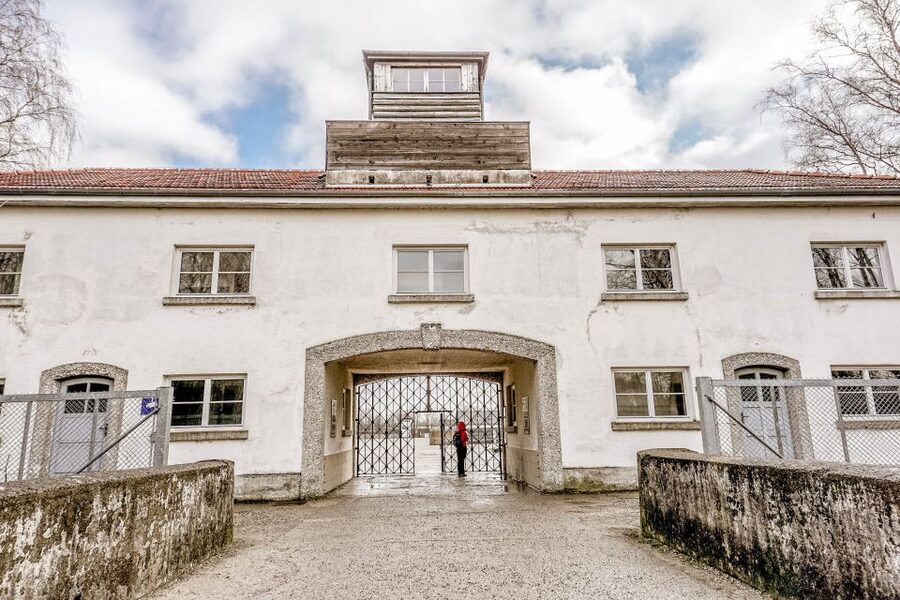
I would recommend it to first-time visitors to Dachau, people with a serious interest in modern European history, and anyone who prefers clear guidance at emotionally difficult sites. It also suits families with older teenagers, since the material is serious but the guides adjust their explanations to the group.
The tour is a good fit if you want to travel from central Munich without arranging the train and bus connections yourself. It also helps if you want a human explanation rather than an audio guide or a series of display panels.
You may prefer an independent visit if you need several hours for close museum reading, want to set your own pace, or already have detailed knowledge of the memorial. Just remember that the guided structure is what makes this tour useful for many people.
FAQ
Where does the Dachau Memorial tour meet in Munich?
The meeting point is in front of the Tourist Information office for the City of Munich at the Gothic Town Hall in Marienplatz. The guide carries a yellow sign with Dachau Memorial Tour written in red.
How long does the tour last?
The tour lasts five hours, including the public transport journey from Munich and the return transfer.
How do I travel from Munich to Dachau Memorial?
You travel by public train and other public transport with your guide. The tour includes the public transport ticket and transfers.
What parts of Dachau Memorial are included?
The visit includes the former barracks, cells, museum exhibition, and former gas chamber and crematorium area. The guide also explains the camp’s history and uses prisoner photographs and reports.
Is the tour offered in English?
Yes. The tour has a live English-speaking guide.
Which departure is best for smaller crowds?
The 1:10 PM afternoon departure is recommended if you want to avoid some of the school classes and groups that visit earlier in the day.
What should I bring to the tour?
Bring comfortable shoes and water. Pets and smoking are not allowed at the tour.
Should you book it?
Book this tour if you want a thoughtful, guided introduction to Dachau and prefer not to manage Munich’s public transport on your own. The strongest reason to choose it is the guide’s role in connecting the buildings, documents, and prisoner accounts into one clear story.
Choose the afternoon departure if you can, arrive early, and leave room in your day for the emotional weight of the visit. At $49, this is a fair way to reach the memorial, learn from a trained guide, and give Dachau the serious attention it deserves.
Recently reviewed in Munich
- München: Vegetarische Viktualienmarkt-Probiertour Deutsch★ 4.8 · 6 reviews
- Wright Europe Vacations – Private Escorted Auto Tours★ 5.0 · 35 reviews
- Best of Munich Electric Bike Tour★ 5.0 · 38 reviews
- Munich Walking Quiz: Explore and Discover the City’s Highlights★ 5.0 · 7 reviews
- Walking Tour on Resistance to Nazism in Munich★ 5.0 · 8 reviews
- Private Transfer from Munich to Salzburg with 2 hours for sightseeing★ 4.5 · 13 reviews
- Private Transfer from Munich to Vienna with 2 hours for sightseeing★ 4.5 · 6 reviews
- 2 hour Sights Guided E-Scooter Tour in Munich★ 4.0 · 6 reviews
Dachau Memorial Tours, compared.
Dachau Concentration Camp Memorial Site Tour from Munich by Train
Read our review →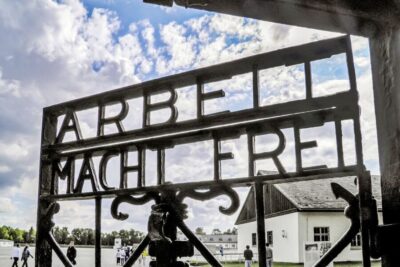
Dachau Concentration Camp Memorial Tour with Train from Munich
Read our review →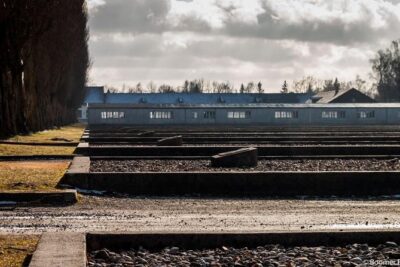
Full-Day Dachau Concentration Camp Memorial Site Tour from Munich
Read our review →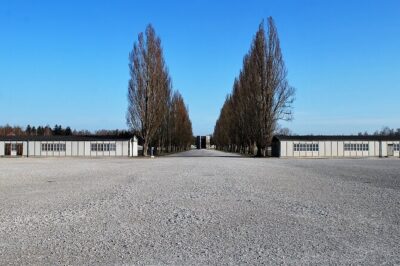
Dachau Small-Group Half-Day Tour from Munich By Train
Read our review →
Munich World War II Sites Including Dachau Concentration Camp
Read our review →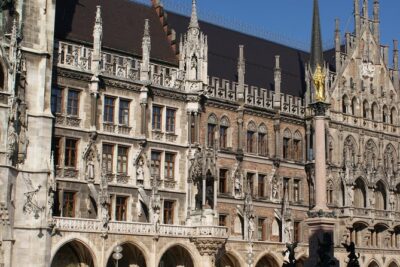
Dachau Concentration Camp Memorial Site And Third Reich Day Tour From Munich
Read our review →Browse the lists this tour appears in