
Reviewed · MUNICH OLD TOWN WALKING TOURS
Paul’s Welcome Walking Tour in Old Town Munich
Munich’s best-known sights sit close together, but the city makes more sense when someone connects the beer halls, Wittelsbach rulers, churches, and modern street life. Paul’s Welcome Walking Tour does that in about 90 minutes, beginning at Karlstor and ending at Odeonsplatz.
I like the compact route and the small-group format, which lets you ask questions instead of simply following a flag. I also like the practical advice, including places to eat and drink, plus the welcome book created by Paul Riedel. One consideration is the price: at $52.09 per person, it is not the cheapest way to see Munich, especially since no admission fees are needed along the route.
Key points to know before you book
- Karlstor to Odeonsplatz in 90 minutes: The route covers a useful slice of central Munich without taking up half your day.
- Beer culture is part of the city story: Augustinerbräu, Hofbräuhaus, and other beer landmarks receive real attention.
- A small group makes questions easier: The tour is listed for a maximum of 10 people, although another capacity note allows up to 15.
- Paul Riedel leads the experience: Other guides, including Freya, may also conduct the walk.
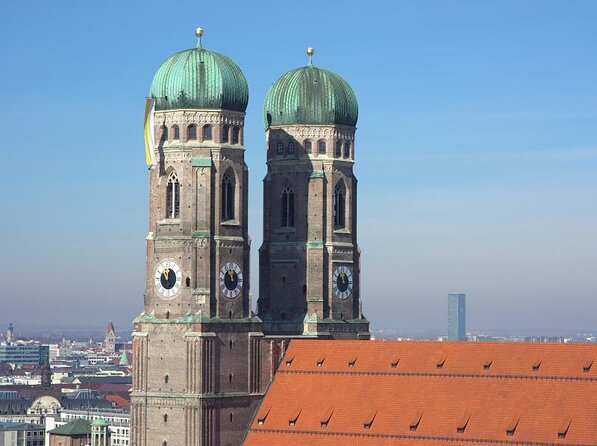
- The route includes Munich’s essential sights: Frauenkirche, Marienplatz, Alter Hof, Viktualienmarkt, and Odeonsplatz all appear.
- You receive a Munich welcome book: One book is included per booking, not per person.
Why this short Munich walk works well on a first day
I see this as an orientation tour rather than a full historical survey. You move through the Old Town at a steady pace, stopping long enough to understand each place, then continuing before the walk becomes tiring.
That makes it useful on your first day in Munich. You get a map in your head, learn which sights deserve a return visit, and pick up food and drink ideas before you spend your evenings guessing. The route also gives you several stories that are easy to miss if you explore only with a guidebook.
The emphasis is broad. You hear about Munich’s beer culture, art scene, politics, royal family, medieval beginnings, and present-day character. The result is less a museum lecture and more a set of connected clues about why central Munich looks and feels the way it does.
The short length is both a strength and a limit. Ninety minutes is easy to fit around train arrivals, museum visits, or an afternoon meal. It also means you should not expect long interior visits, detailed art criticism, or time to linger at every stop.
More walks through the old town:
- Munich: Old Town & Viktualienmarkt City Walk in German
★ 4.7 · 2,304 reviews - Munich Old Town Walking Tour
★ 4.5 · 1,287 reviews - Munich: Spooky Tour of Old Town in German
★ 4.6 · 1,112 reviews
Karlstor sets the starting point
The meeting point is Karlstor on Neuhauser Strasse, in the 80331 area of Munich. This is a practical place to begin because the walk starts at one of the Old Town’s historic gateways and then heads into the central sights.
You meet the guide here, with admission free. The opening stop lasts about five minutes, so arrive ready to walk rather than expecting an extended introduction.
The tour is generally conducted in English, though it may be led by a multilingual guide. Paul Riedel is the named provider, and Paul himself has led the walk. Freya has also guided it, and one particularly useful aspect of the experience is the chance to ask questions across a wide range of subjects, from the Middle Ages to modern Munich.
Augustinerbräu brings beer into the story
The next stop is Augustinerbräu, with about 10 minutes set aside. This is not simply a pause for a beer recommendation. The building and the brewery help explain why beer is such a strong part of Munich’s public identity.
You will hear about the architectural character of the Augustiner establishment and the place it holds among Munich beer institutions. That matters because beer here is tied to work, civic life, royal power, tourism, and local custom. A guide can make those links quickly, while a sign outside the building cannot.
You should not count on a tasting or a reserved table. The tour focuses on explanation, not a meal or drinking session. That is a plus if you want to cover ground, but anyone hoping for a beer-focused food tour will need a separate plan.
Michaelskirche adds royal weight
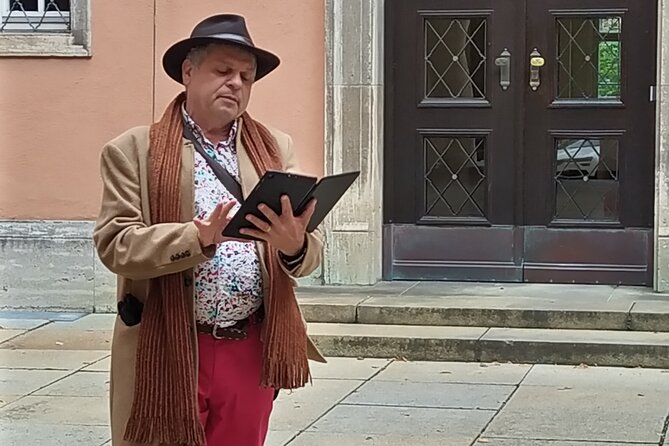
At Michaelskirche, the walk turns toward religion and the Bavarian monarchy. The stop lasts roughly 10 minutes, and, if possible, the route includes the mausoleum of King Ludwig II.
That detail gives the church visit extra interest. Ludwig II is one of Bavaria’s most famous rulers, and his story often brings together royal ambition, architecture, politics, and legend. Seeing a royal burial place can make those themes feel more concrete than a general talk about kings and palaces.
The phrase if possible matters. Access to the mausoleum is not guaranteed, so you should treat it as a possible part of the stop rather than the main reason to book. The tour also does not promise a full interior visit or an extended examination of the church.
Same city, a very different afternoon:
- From Munich: Neuschwanstein & Linderhof Castle Full-Day Trip
★ 4.5 · 12,494 reviews - Neuschwanstein & Linderhof Castle-Fairytale Day Tour from Munich
★ 4.5 · 7,275 reviews - Munich: Third Reich & WWII Walking Tour
★ 4.6 · 6,181 reviews - Dachau Concentration Camp Memorial Site Tour from Munich by Train
★ 4.5 · 5,637 reviews
Alter Hof reveals an older Munich
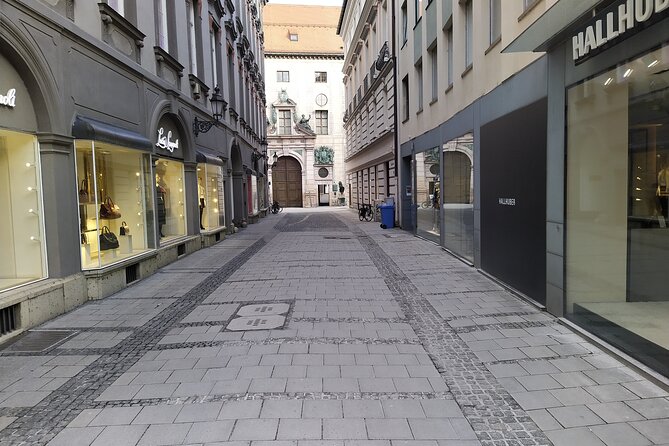
Alter Hof receives another 10 minutes. This former court area helps shift the story from grand modern Munich to the city’s earlier ruling world.
The guide includes more beer stories here, along with the Affenturm, or Monkey Tower. That unusual detail gives the stop a lighter tone and breaks up the royal and religious material. Paul’s approach, based on the available descriptions, uses anecdotes as well as dates and names, which should suit you if you prefer history with a human touch.
This is also a good place to ask questions about the Wittelsbach family and the growth of Munich. The stop is brief, so you will get an introduction rather than a full architectural study.
Hofbräuhaus connects politics, ceremony, and beer
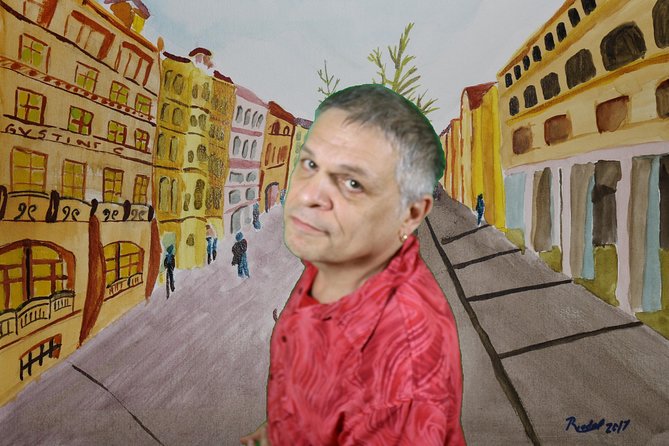
The State Hofbräuhaus is another 10-minute stop. It is one of the places where Munich’s beer reputation and political past meet.
The discussion includes beer stories and Aloysius, a figure associated with Bavarian political satire and local folklore. That kind of material gives the walk a distinctly Munich flavor. You are not just ticking off a famous beer hall. You are hearing how beer halls became places where ordinary people, officials, artists, and political movements crossed paths.
Again, there is no included drink or meal. You see the site as part of the walking route, then decide later if you want to return for food or beer. This arrangement keeps the tour moving and avoids forcing every person in the group into the same dining choice.
Frauenkirche brings a famous legend
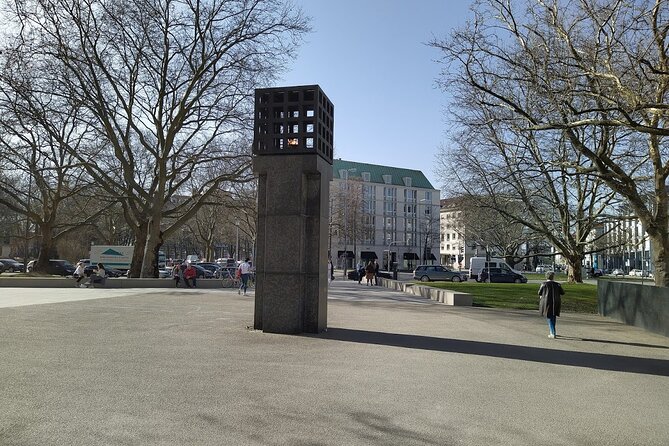
The Frauenkirche stop lasts around 10 minutes and focuses on master builder Jörg Halspach and the devil. The story gives you a memorable way into the church’s design and the legends attached to it.
The twin towers are among Munich’s clearest visual markers, so this is one of the route’s essential stops. The guide’s job here is to explain the building without turning the walk into a long technical lecture. The devil story also makes the architecture easier to remember after the tour ends.
You should keep your expectations realistic. The supplied details do not promise a full guided interior tour, a tower climb, or special access. The value comes from seeing the church in its Old Town setting and learning the story tied to its construction.
Marienplatz explains how Munich grew
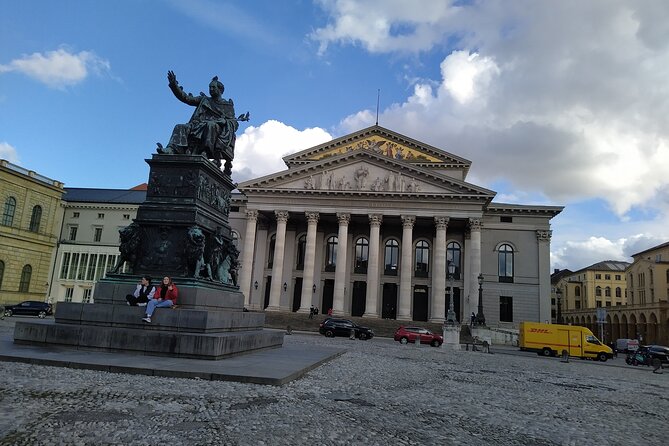
Marienplatz gets about 10 minutes and forms the central civic stop on the walk. Here you hear about the Wittelsbach family and the creation and growth of Munich.
This is the place where the tour’s threads come together. Royal authority, trade, public space, religion, and the city’s modern identity all meet around the square. If this is your first look at Munich, Marienplatz gives you a useful reference point for the rest of your stay.
The stop is not designed as a long wait for a clock performance or a detailed examination of every building around the square. It is a short explanation of why the square matters. You can return on your own later if you want more time for photographs or a closer look.
Viktualienmarkt is the most practical stop
The longest stop is Viktualienmarkt, at about 15 minutes. That extra time makes sense because the market is one of the best places on the route for turning sightseeing advice into a plan for the rest of your visit.
The guide discusses Sedlmeier, the bars of Heiliggeistgasse, and Munich’s local scene. The market itself is a natural place to ask what to eat, where to drink, and which parts of central Munich feel more local or relaxed.
Food recommendations are one of this tour’s strongest practical features. Freya, who has led the walk, is specifically associated with useful dining and shopping advice. That can save you from choosing a restaurant at random in the most tourist-heavy streets.
The 15-minute stop is still short. You are unlikely to shop for a complete meal during the group visit, and market hours or individual vendors may affect what you find. Think of it as a guided introduction, then return later if the stalls catch your eye.
Odeonsplatz is a useful finish
The tour ends at Odeonsplatz after about five minutes at the final point. Ending here gives you a good launch point for more sightseeing, since the square connects naturally with some of Munich’s major central routes.
It also gives the walk a clear finish instead of leaving you in the middle of a market or outside a beer hall. You can continue exploring, stop for food, or use the guide’s suggestions to shape the rest of your day.
The route is mostly about orientation, so you should plan separate time for museums, palace interiors, church visits, or longer meals. The guide helps you decide what to do next, but those activities are not part of the 90-minute booking.
Group size, language, and pace
The experience is designed as a small-group walk. The included details describe a maximum of 10 people, while another note lists a maximum of 15. I would expect a small group, but I would not treat 10 as an absolute guarantee unless the provider confirms it for your date.
A smaller group matters in a city walk. You can hear the guide more easily, ask about a restaurant or royal detail, and avoid the stop-and-start feel of a large crowd. The positive accounts connected with Paul and Freya place strong emphasis on clear answers, entertaining stories, and helpful advice.
The walk may be conducted by a multilingual guide, and English is the usual language. The tone appears friendly and flexible, with room for questions about subjects ranging from medieval Munich to the present day.
Wear smart casual clothing and comfortable shoes. The route takes place in the Old Town, where you will be walking between several stops. Service animals are allowed, and the experience is near public transportation. Most people can take part.
Is $52.09 a fair price?
At $52.09 per person, this tour costs more than a basic self-guided walk, and all the listed stops have free admission. You are paying for the guide’s route, research, storytelling, local suggestions, small-group setting, and the welcome book, not for entry tickets.
I think the value depends on how you use it. If you have only a short stay, an expert-led introduction can prevent a day of aimless wandering. If you already know Munich well or enjoy building your own walking route, the price may feel high for a 90-minute overview.
The welcome book adds a personal touch, though only one is provided per booking. The strongest value comes from the chance to ask about eating, drinking, shopping, and what to see next. For a first visit, those answers may be more useful than another hour of general sightseeing.
Tips are not included, so budget for a gratuity if the guide gives you a good experience. Free cancellation is available up to 24 hours before the start time. If the minimum number of participants is not reached and the tour is canceled, you are offered another date or experience, or a full refund.
Who should book this Munich walking tour?
I would choose this tour for a first-time visitor who wants the Old Town to make sense quickly. It also suits anyone with limited time, since the route covers major sights without taking an entire morning or afternoon.
It is a good fit if you like history delivered through stories, especially tales about kings, beer, churches, and city politics. Food-focused visitors should also pay attention to the Viktualienmarkt stop and the guide’s dining advice.
You may want something else if your priority is entering every major building, spending long periods at each sight, or tasting beer along the way. This is a guided orientation walk, not a pub crawl, museum tour, or full architectural study.
Should you book Paul’s Welcome Walking Tour?
Book it if you want a compact first look at Munich with a local guide, useful meal tips, and a route that covers the city’s key Old Town landmarks. Paul Riedel brings a personal connection through the welcome book, and guides such as Paul and Freya have been associated with lively explanations and patient answers.
Skip it if $52.09 feels too steep for a short walk with no included admissions or food. You can see the same central sights independently. Still, for a first day in Munich, the combination of beer history, royal stories, Frauenkirche, Marienplatz, Viktualienmarkt, and practical local advice makes this a sensible way to get oriented.
FAQ
Where does Paul’s Welcome Walking Tour start?
The tour starts at Karlstor on Neuhauser Strasse, 80331 Munich, Germany.
Where does the tour end?
The walk ends at Odeonsplatz, Odeonsplatz, 80333 Munich, Germany.
How long does the tour last?
The tour lasts approximately 1 hour and 30 minutes.
What sights are included?
The route includes Karlstor, Augustinerbräu, Michaelskirche, Alter Hof, the State Hofbräuhaus, Frauenkirche, Marienplatz, Viktualienmarkt, and Odeonsplatz.
Is the tour conducted in English?
It is generally conducted in English, though it may be operated by a multilingual guide.
How large is the group?
The included details describe a small group of up to 10 people. Another capacity note allows up to 15 participants, so the exact group size may vary.
What is included in the price?
The price includes a professional local guide and one Munich welcome book from artist Paul Riedel per booking. Tips and gratuities are not included.
Can I cancel for a refund?
Yes. You can cancel at least 24 hours before the start time for a full refund. Cancellations or changes made less than 24 hours before the start time are not accepted for a refund.
Recently reviewed in Munich
- München: Vegetarische Viktualienmarkt-Probiertour Deutsch★ 4.8 · 6 reviews
- Wright Europe Vacations – Private Escorted Auto Tours★ 5.0 · 35 reviews
- Best of Munich Electric Bike Tour★ 5.0 · 38 reviews
- Munich Walking Quiz: Explore and Discover the City’s Highlights★ 5.0 · 7 reviews
- Walking Tour on Resistance to Nazism in Munich★ 5.0 · 8 reviews
- Private Transfer from Munich to Salzburg with 2 hours for sightseeing★ 4.5 · 13 reviews
- Private Transfer from Munich to Vienna with 2 hours for sightseeing★ 4.5 · 6 reviews
- 2 hour Sights Guided E-Scooter Tour in Munich★ 4.0 · 6 reviews
Munich Old Town Walking Tours, compared.
Mystic Munich – Sagas and Legends of the Old Town
Read our review →
Fall in Love with Munich in a Private Old Town Walking Tour
Read our review →
Browse the lists this tour appears in