
Reviewed · MUNICH FOOD TOURS
Munich: 3-Hour Culinary Nightwatch Tour
Munich’s old town takes on a different mood after dark, especially when a costumed night watchman leads you past cemeteries, torture chambers, vanished pews, and old city walls. This three-hour evening walk mixes a tavern meal with grisly stories, so you learn the city’s past with a plate and drink in hand.
I like the way the tour links food to history, beginning with meat, bread, and a drink, then finishing with dessert and a nightcap. I also like the theatrical touch of a guide in period costume, with Matthias earning special praise for humor, singing, and lively storytelling when he leads the group. The main drawback is that the tour is German only, and one scheduled outing was canceled because too few people had booked.
Key points at a glance
- A meal-led history walk: Start with meat, bread, and a drink in a Munich tavern, then return for dessert and a nightcap.
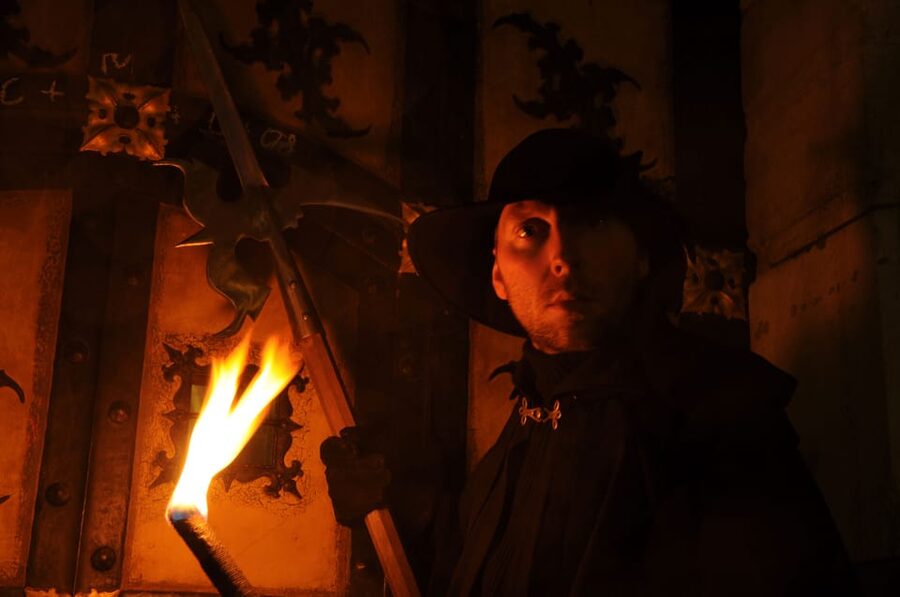
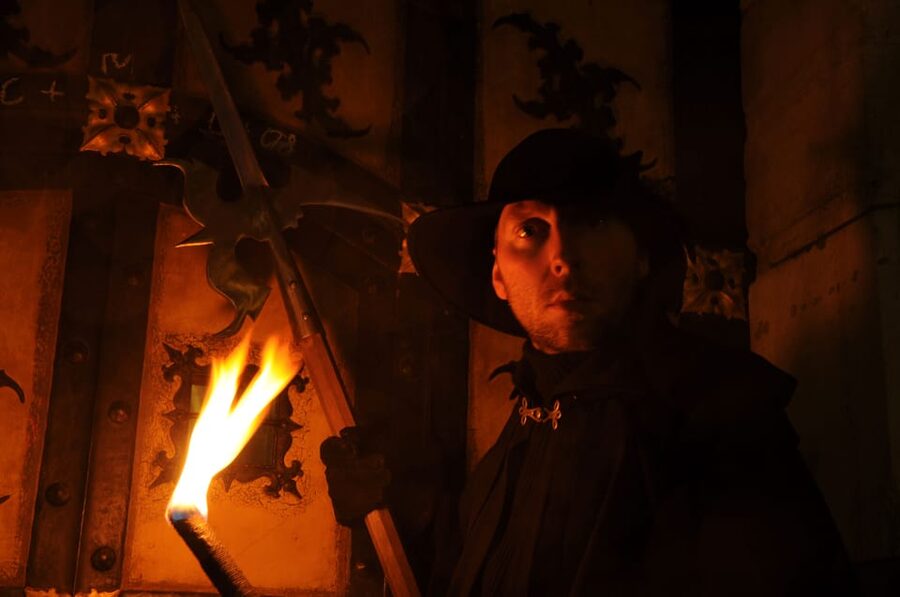
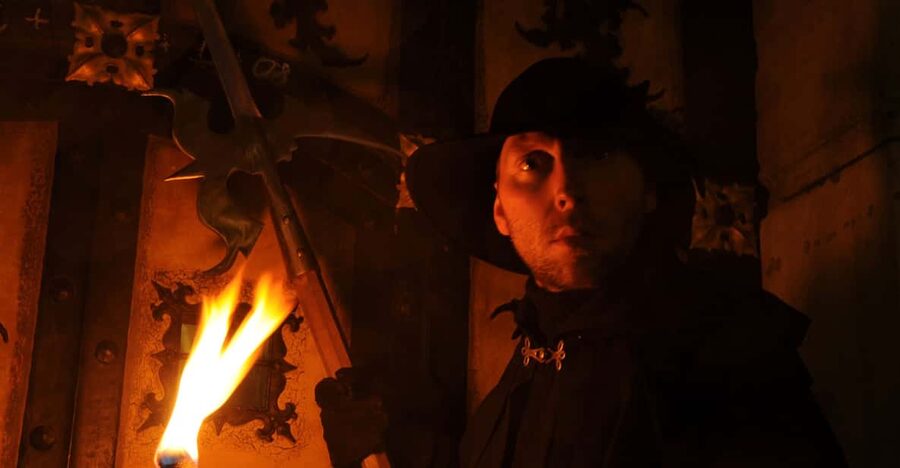
- A proper night watchman character: Your guide wears historical costume and acts as the city’s evening guardian.
- Munich’s darker stories: Hear about funerary customs, foul-smelling corpses, torture, prison life, and a shocking host desecration.
- A compact old-town route: The walk passes St. Peter’s Church, the Old Town Hall, the Frauenkirche, Promenadeplatz, and major palaces.
- German-language storytelling: You need enough German to follow the jokes, history, and quick exchanges.
- A small booking risk: The tour can be canceled for low participation, even though one group had booked seven places.
A tavern meal before the night patrol
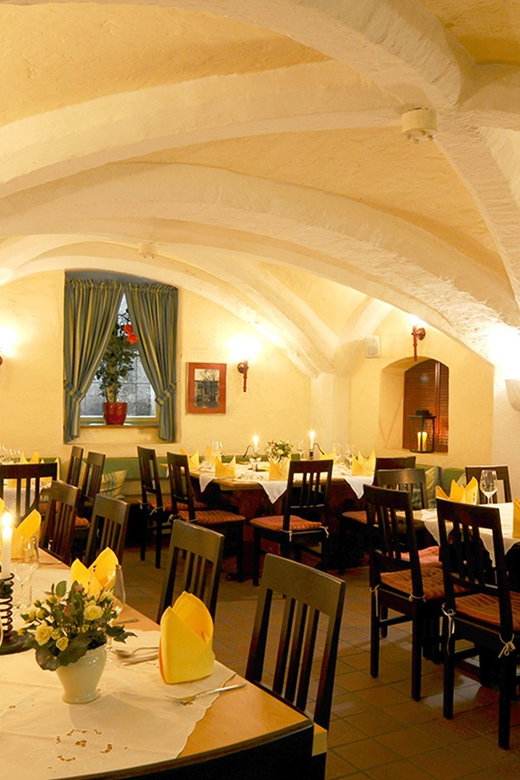
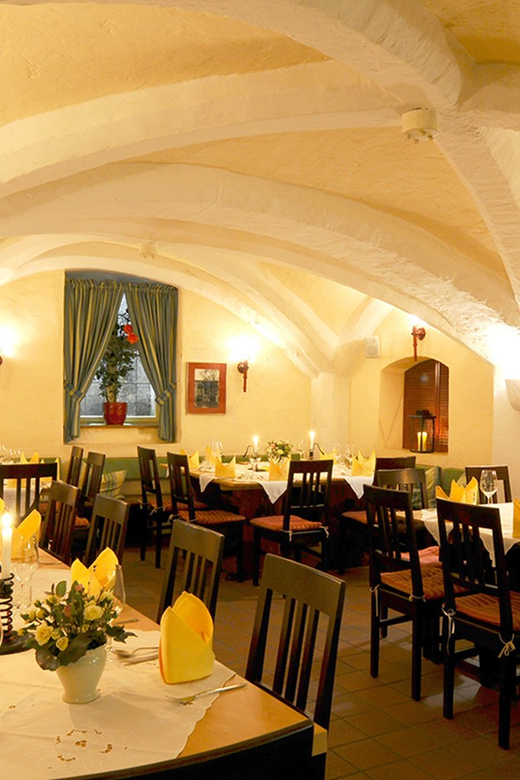
The tour begins at a Munich tavern, not with a long lecture in a square. You sit down for a hearty serving of meat and bread, along with a drink, before heading into the old town. That simple opening gives the evening a social feel and lets you meet the people who will share the walk.
This first meal is part of the ticket, priced at $88 per person. That is not cheap for a three-hour city tour, but the price includes both food stops and a live guide in costume. You are paying for a hosted evening rather than just a walk past famous buildings.
The meal itself has received mixed praise. Some diners found it very good, while one person found it only average. I would book this for the full combination of food, theater, and history, not because you are seeking a carefully planned restaurant dinner.
The tavern setting also makes sense historically. Later, your guide explains that wine was the drink of choice in medieval Munich, rather than beer. Starting the tour at a table helps you think about the city as a lived-in medieval town, not only as a collection of grand churches and rebuilt facades.
More night watchman walks in Munich:
- Munich: Night Watchman Walking Tour
★ 4.7 · 2,092 reviews - Munich: Night Watchman Torch Tour in German
★ 4.8 · 1,280 reviews - Munich: Middle Ages Tour with Night Watchman
★ 4.9 · 652 reviews
Following the costumed night watchman
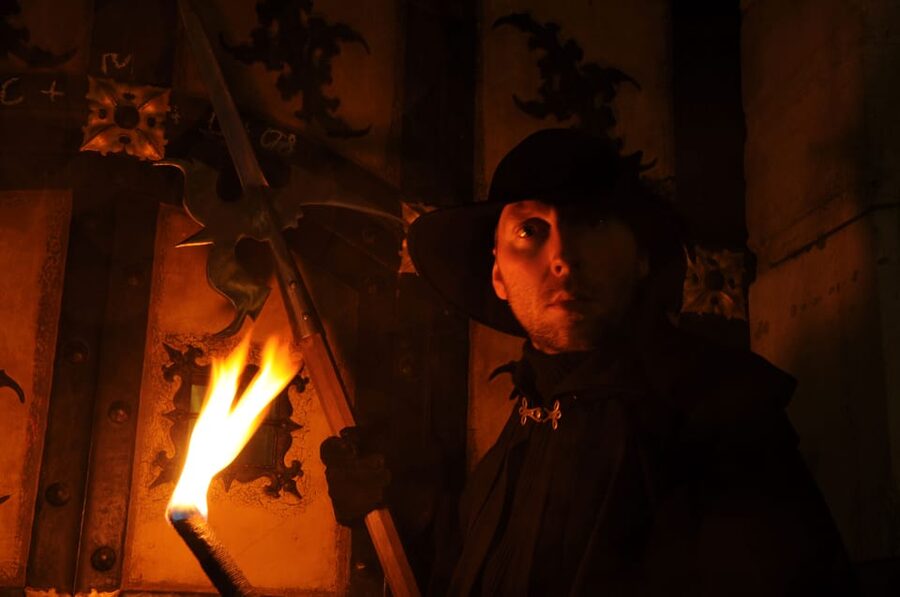
After dinner, your guide takes on the job of keeping the alleys clear of dishonorable folk. The historical costume is central to the mood. Instead of hearing a modern guide recite dates beside a monument, you get a character who belongs to the old city and speaks from that point of view.
The tone is meant to be entertaining as well as macabre. You will hear stories about death, punishment, religious scandal, and unpleasant everyday details. The style can vary by guide, but Matthias has been especially praised for combining strong subject knowledge with humor and a lively delivery. One particularly spirited evening lasted a little more than three hours and included plenty of laughter and even singing.
That theatrical approach suits this subject. Medieval and early modern history can feel remote when reduced to names and dates. Tales about missing church pews, foul-smelling bodies, or a crowded tavern give you something concrete to remember.
Still, the character-led format may not suit you if you want a quiet, scholarly walk. The evening can become noisy and social, especially with a larger group. One person found the tavern seating cramped when attendance was high, so expect less personal space at the meal than you might have in a normal restaurant booking.
St. Peter’s Church and the practical side of death
The first major stop is St. Peter’s Church, Munich’s oldest parish church. Here, the focus turns to the cemetery and the customs surrounding burial.
Your guide discusses funerary traditions, epitaphs, and the problems created by bodies that were not always buried under pleasant conditions. The subject is deliberately earthy. You are not getting a polished church tour that avoids unpleasant facts. Instead, the stories show how closely daily life, religion, and death were tied together.
The mention of missing church pews adds a more curious twist. It reminds you that churches were not simply silent monuments. They were working places shaped by money, status, seating rights, worship habits, and local disputes.
This stop is valuable because it adds social detail to the grand architecture. St. Peter’s is easy to admire from the outside, but the night watchman’s stories help you picture the people who lived, worshiped, argued, and died around it.
The Old Town Hall and Salzstraße
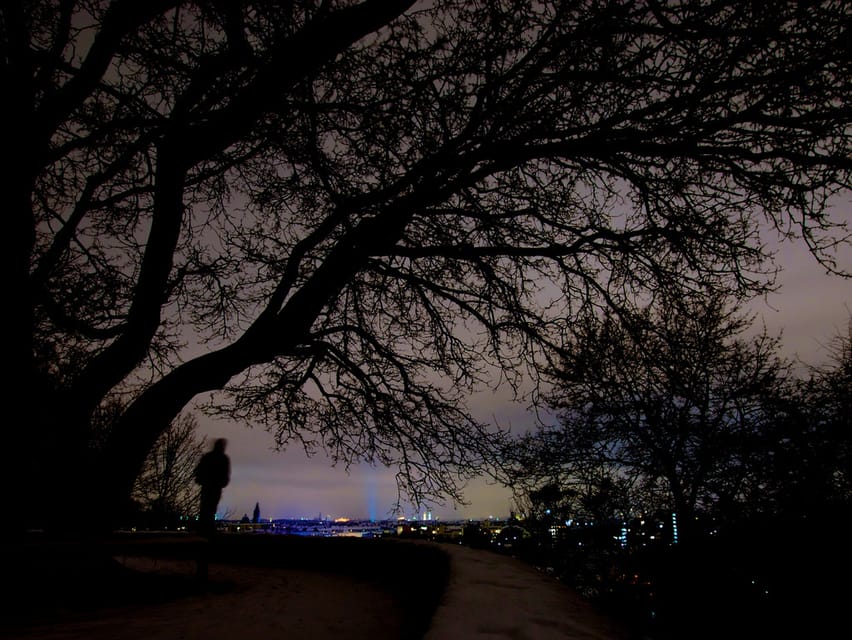
The route continues to the Old Town Hall along Salzstraße, a historic street in the center of Munich. You hear about an old city gate and the later reconstruction of the building’s spire in the 1970s.
That combination of medieval origins and modern repair is one of the tour’s useful themes. Munich’s center has been rebuilt and altered many times, so what you see today is not always a clean, untouched survival from the Middle Ages. Your guide draws attention to the gap between the city’s older structure and its later restoration.
The stop also helps you read the old town as a defensive and commercial place. Streets, gates, walls, and public buildings once controlled movement and protected the settlement. Today, you may simply see a handsome central route. The night watchman explains why those streets mattered.
More food tours in Munich:
- Bavarian Beer and Food Evening Tour in Munich
★ 4.5 · 1,575 reviews - Munich: Viktualienmarkt Food Tour
★ 4.5 · 1,127 reviews - Munich: Beer and Food Tour with Dinner & Oktoberfest Museum
★ 4.7 · 1,086 reviews - Lunch Like a Local: Munich’s ORIGINAL Viktualienmarkt Food Tour
★ 5.0 · 416 reviews
Torture, prison, and the Old Court
Next comes a darker stretch of the walk. Passing a torture chamber and prison, you reach the Old Court, or Alter Hof, and follow the line where the original 12th-century city wall once stood.
The subject here is power. The city wall protected Munich, while the prison and torture chamber enforced the rules within it. The tour does not treat punishment as an abstract legal topic. It places you beside the locations where authority was displayed and feared.
You then leave the moated castle and continue west. That change in direction gives the walk a sense of movement through the old settlement rather than a simple list of monuments. The route follows traces that are easy to miss if you are exploring on your own.
The stories are grisly, so consider your group carefully. Older children may find the theatrical approach entertaining, but the material about torture, corpses, and religious conflict will not suit everyone.
Gruftgasse, Schäfflergasse, and medieval drinking habits
At Gruftgasse, the night watchman brings out more gruesome tales. The name itself sets the tone, but the value lies in hearing how the street fits into the city’s older world.
At Schäfflergasse, the subject changes to drinking. You learn that medieval Munich favored wine rather than beer. That detail may surprise you, since modern Munich is strongly linked with beer halls and large beer steins.
This is exactly the kind of small correction that makes a city tour useful. You get a reminder that popular images of Munich do not tell the whole story. Drinking customs changed, and the city’s identity was not always the same as the one marketed today.
The two lanes also help break up the heavier material. After stories of cemeteries and punishment, a discussion of wine gives the group room to laugh and compare old habits with modern ones.
The Frauenkirche and Munich’s famous skyline
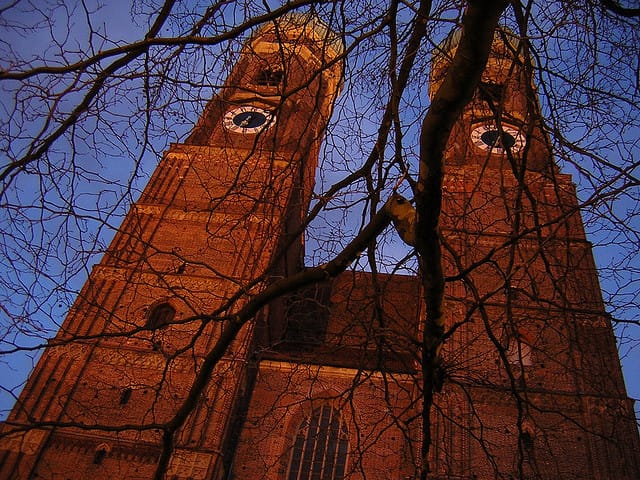
The twin towers of the Frauenkirche are among Munich’s most familiar sights. The night tour offers a chance to see them as part of the old-town route rather than as an isolated church visit.
The towers help you keep your bearings as the group moves through central Munich. Their familiar outline also gives the walk a strong visual pause after the narrower streets and darker stories.
Do not expect an extended architectural tour of the Frauenkirche. The emphasis remains on the night watchman’s narrative and the city’s past. You will see the landmark and hear related stories, but this is not the activity to book if the interior, art, or construction details of the cathedral are your main interest.
Palaces, promenades, and courtly Munich
The route passes Promenadeplatz, Palais Portia, and Palais Holnstein. These stops shift the evening away from medieval punishment and toward Munich’s later courtly world.
The palaces show how the city developed beyond walls, gates, and parish churches. Their presence gives the walk a broader span, linking the rougher old-town stories with the wealth and ceremony of the ruling class.
You may find this section less gruesome than Gruftgasse or the prison stop, but it helps explain the different layers of central Munich. A short route can still cover a lot of ground when the guide connects streets to changes in status, government, and public life.
Salvatorkirche and a shocking religious crime
At Salvatorkirche, you hear about a host desecration. The story is one of the tour’s most shocking religious episodes, and it shows how accusations involving sacred objects could stir fear and anger.
This is not presented as a dry church-history note. It is part of the night watchman’s darker collection of stories, designed to show how religion shaped law, rumor, and punishment.
You should expect a dramatic tone here. The point is not simply to admire another church facade. It is to understand how powerful religious beliefs could be in earlier centuries and how quickly a scandal could become a public crisis.
Theatine Church and Henriette Adelaide
The final major church stop is the Theatine Church, where the guide tells you about Henriette Adelaide and her son’s role in ensuring that the Theatine cloister was built.
This story brings a more personal and dynastic element to the evening. Instead of focusing only on crime and death, the guide turns to family, patronage, and religious construction. The cloister was not just an architectural project. It was tied to the decisions and influence of people at court.
That change in tone works well near the end of the route. You have moved from parish cemeteries and prisons to palaces and church foundations, seeing how many kinds of power shaped Munich.
Dessert and a nightcap back at the tavern
At the end of the walk, you return to the tavern for dessert and a final drink. Kaiserschmarren has been served as the dessert, a warm, torn pancake-style sweet associated with the former Austrian imperial kitchen.
The return to the same restaurant has two sides. I like the convenience: you do not need to find another place after three hours on foot, and the group can finish the evening together. It also gives the tour a neat beginning and end, with the tavern acting as your base.
One person disliked returning to the same establishment for dessert, so this part depends on what you want. If you prefer variety, it may feel repetitive. If you value a simple finish and another chance to talk with the guide and group, it works well.
The final drink also suits the night watchman theme. You end not with a rushed farewell in the street, but with time to settle down after the stories.
Language, timing, and meeting point
The tour lasts three hours, with starting times shown according to availability. Allow the full evening for it, since the meal, walk, and closing dessert are all part of the plan. One outing ran slightly longer than three hours, so avoid scheduling a tight appointment immediately afterward.
The live tour is in German. This is the single biggest practical issue for English-speaking visitors. If you understand only basic German, you may miss jokes, historical details, and the quick back-and-forth that makes the night watchman act work.
The meeting point is the Mariensäule at Marienplatz. The tour information also describes the start as Marktplatz, so check your confirmation carefully for the exact wording on the day. Look for the guide carrying a large blue bag marked with the white words Weis(s)er Stadtvogel.
The experience is listed as wheelchair accessible. Since the route includes old-town streets, churches, and historic areas, check the current arrangements when booking if you need specific access support.
Cancellation is free up to 24 hours in advance, and you can reserve now and pay later. That flexibility helps, especially because one booking for seven people was canceled two days beforehand due to low participation. The experience has a 4.3 rating from 87 reviews, which fits the overall picture: strong praise for the guides and atmosphere, with some reservations about the food, crowding, and repeat tavern stop.
Who should book the night watchman tour
I would choose this for you if you enjoy local stories more than a checklist of landmarks. It suits couples, friends, and families with older children who like a bit of theatrical gloom and do not mind hearing about death, torture, and religious scandal.
It is also a good fit if you want dinner included in an evening activity. You get a meal, drink, dessert, and nightcap along with the walk, which makes the $88 price easier to judge. The value is strongest when you would otherwise pay for both a guided tour and an evening meal.
I would hesitate if you need English, dislike group dining, or want a quiet architectural tour. The food is not guaranteed to impress everyone, the seating can feel tight with a large group, and the tour may be canceled if participation is too low.
Should you book it?
Book the Munich Culinary Nightwatch Tour if you want history delivered with personality, a little horror, and a full evening structure. The best parts are the costumed guide, the unusual stories at St. Peter’s and the old city wall, and the chance to end the night over dessert rather than rushing back to your hotel.
Before paying, confirm the German-language format, meeting instructions, and operating date. If you can follow German and enjoy a social, story-led evening, this is a memorable way to see Munich after dark. If not, spend your $88 on an English-language food tour or a museum visit instead.
FAQ
Where does the Munich Culinary Nightwatch Tour meet?
The meeting point is the Mariensäule at Marienplatz in Munich. The tour information also refers to Marktplatz, so check your booking confirmation for the precise meeting instructions.
How do I recognize the guide?
Your guide will carry a big blue bag with the white words Weis(s)er Stadtvogel on it.
How long does the tour last?
The tour is scheduled for three hours. One evening lasted slightly more than three hours.
What language is the tour in?
The live tour guide speaks German, and the activity is listed as German-language only.
Is food included?
Yes. The first tavern stop includes a meal of meat and bread with a drink. The final stop includes dessert and a nightcap.
What places does the tour visit?
The route includes St. Peter’s Church, the Old Town Hall on Salzstraße, the Old Court, Gruftgasse, Schäfflergasse, the Frauenkirche, Promenadeplatz, Palais Portia, Palais Holnstein, Salvatorkirche, and the Theatine Church.
Is the tour wheelchair accessible?
Yes, the activity is listed as wheelchair accessible.
How much does the tour cost?
The listed price is $88 per person, including the costumed guide, meal and drink, dessert, and nightcap.
Can I cancel the booking?
You can cancel up to 24 hours in advance for a full refund. You can also reserve now and pay later.
More 3-Hour Experiences in Munich
- Munich 3-Hour Guided Bike Tour
★ 4.5 · 1,731 reviews - Munich’s Beer Halls and Breweries: 3-Hour Guided Tour
★ 4.6 · 928 reviews - Munich 3-Hour Segway Tour: Nazi Munich & Royal Architecture
★ 4.9 · 194 reviews - Munich’s Highlights 3-hour Segway Tour
★ 5.0 · 76 reviews
Recently reviewed in Munich
- München: Vegetarische Viktualienmarkt-Probiertour Deutsch★ 4.8 · 6 reviews
- Wright Europe Vacations – Private Escorted Auto Tours★ 5.0 · 35 reviews
- Best of Munich Electric Bike Tour★ 5.0 · 38 reviews
- Munich Walking Quiz: Explore and Discover the City’s Highlights★ 5.0 · 7 reviews
- Walking Tour on Resistance to Nazism in Munich★ 5.0 · 8 reviews
- Private Transfer from Munich to Salzburg with 2 hours for sightseeing★ 4.5 · 13 reviews
- Private Transfer from Munich to Vienna with 2 hours for sightseeing★ 4.5 · 6 reviews
- 2 hour Sights Guided E-Scooter Tour in Munich★ 4.0 · 6 reviews
Munich Food Tours, compared.
Bavarian Beer and Food Evening Tour in Munich
Read our review →

Beer and Food Tour with Dinner & Oktoberfest Museum
Read our review →
Lunch Like a Local: Munich’s ORIGINAL Viktualienmarkt Food Tour
Read our review →
Munich Viktualienmarkt and Beyond Small-Group Food Tasting Tour
Read our review →
Munich Beer and Bavarian Bites Small-Group Tour
Read our review →
Browse the lists this tour appears in