
Reviewed · WALKING TOURS
Munich: Express Walk with a Local in 90 minutes
Munich reveals itself quickly on this 90-minute city walk, which links the grand center around Marienplatz with the food stalls and social life of Viktualienmarkt. You get landmarks, local customs, and practical advice in one compact outing, rather than a long lecture about dates and dynasties.
I like the small group limit of eight, since it gives you a better chance to ask where to eat or drink that evening. I also like the focus on useful tips: beer gardens, cafes, bars, and local dishes are part of the conversation, not an afterthought. The main drawback is the pace. You cover a lot in little time, and people with mobility limits may find the walking unsuitable.
Key points to know before booking
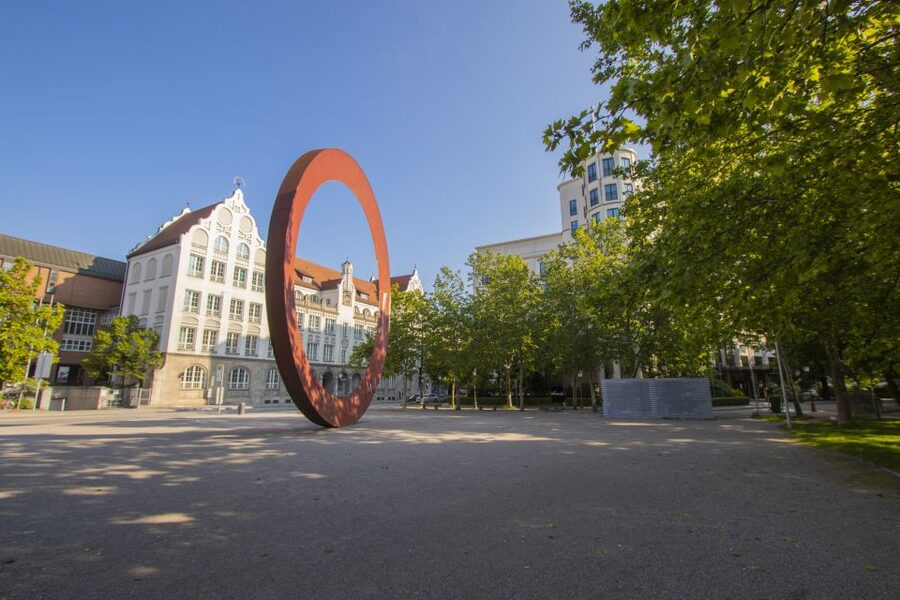
- Starts at Café Frischhut: This well-placed meeting point gets you into central Munich quickly.
- Covers Marienplatz and Viktualienmarkt: You see two of the city center’s defining public spaces.
- Maximum of eight people: The compact group suits questions and personal recommendations.
- Guide quality is a major strength: Paul, Stefan, and Omar have all been praised for friendly, clear, and engaging tours.
- Useful for the rest of your stay: You receive advice on food, cafes, bars, and beer gardens.
- Bring practical basics: Comfortable shoes, water, a charged phone, and some cash are recommended.
A fast first look at Munich’s old center
This experience is best understood as a city orientation with personality. You are not signing up for a museum tour or a full historical survey. Instead, you walk through the core sights with a local who can explain what matters, point out places you might otherwise miss, and help you decide how to spend the rest of your time in Munich.
The route begins at Café Frischhut. From there, you move toward the central sights, with Marienplatz and Viktualienmarkt forming the main anchors. Those two places give you a useful snapshot of Munich: one is the city’s grand civic square, while the other shows its everyday food culture.
The guide speaks English or German. The walk can be private or arranged as a small group of up to eight people. That distinction matters. In a private setting, the conversation can follow your interests more closely. In a small group, you still get a more personal feel than on a large coach or crowded walking tour.
The itinerary is not rigid. It can change with the weather, your walking speed, and the interests of the group. That flexibility is helpful, though it also means you should not expect every departure to follow exactly the same sequence.
More walks through the old town:
- Munich: Third Reich & WWII Walking Tour
★ 4.6 · 6,181 reviews - Third Reich Walking Tour Munich
★ 4.5 · 4,291 reviews - Munich: Old Town & Viktualienmarkt City Walk in German
★ 4.7 · 2,304 reviews
Marienplatz: Munich’s grand opening scene
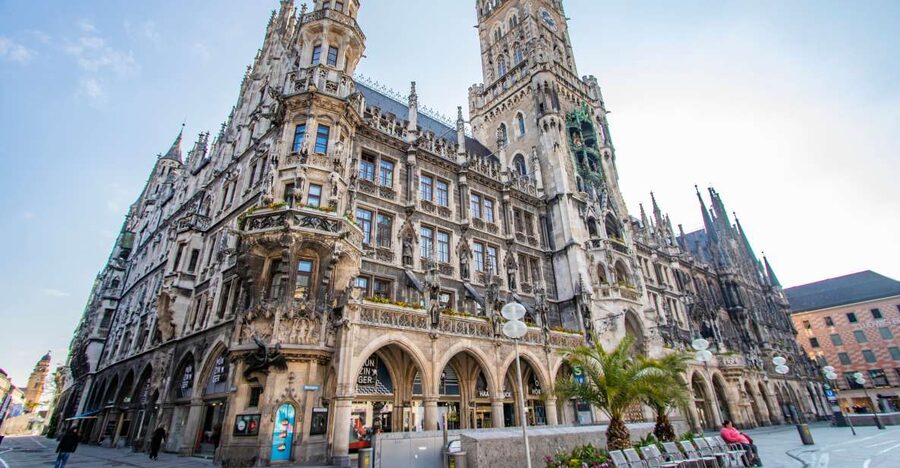
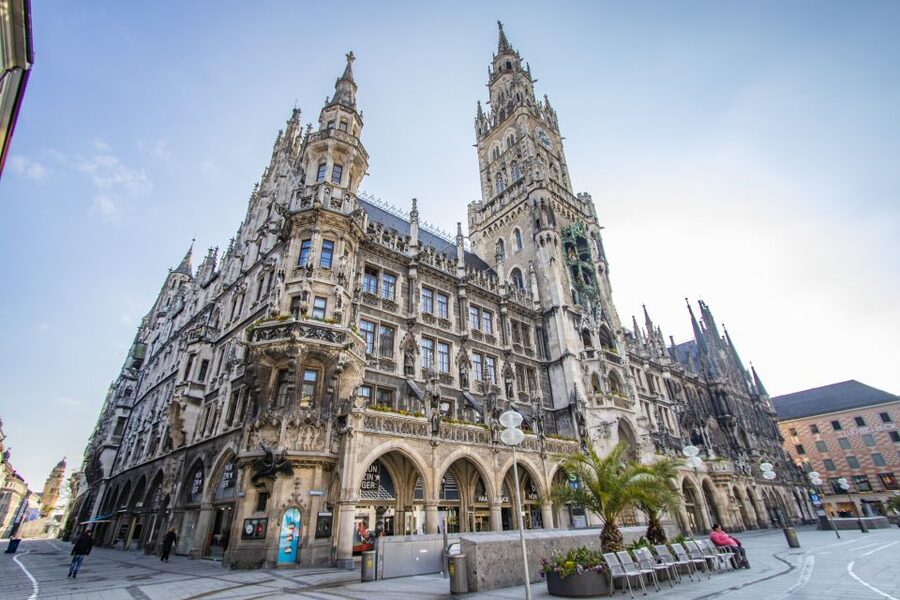
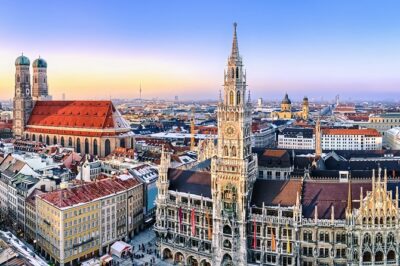
Marienplatz is a natural place to begin understanding Munich. It puts the city’s historic center in one frame, with major civic buildings, pedestrian streets, and a steady flow of people around you.
Here, your guide can give you the basic orientation you need: how the center is laid out, which streets lead toward the main sights, and where you should return later if you want to explore on your own. A local guide is particularly useful in a square like this because the visual impression can be overwhelming. You see towers, facades, signs, shops, and side streets, but it is not always clear what deserves your attention first.
The walk is designed to give you key facts without trapping you in a long academic talk. That balance should suit you if you want history in manageable portions. You can ask questions about the buildings, local habits, or places to eat, then move on before your feet begin to complain.
Do not expect entry into every monument. Transportation, museums, and monument admission are not included, so this is mainly an outdoor walking experience. If you want to visit a particular interior afterward, ask your guide for practical advice and plan that separately.
Viktualienmarkt: where the city’s food culture comes alive
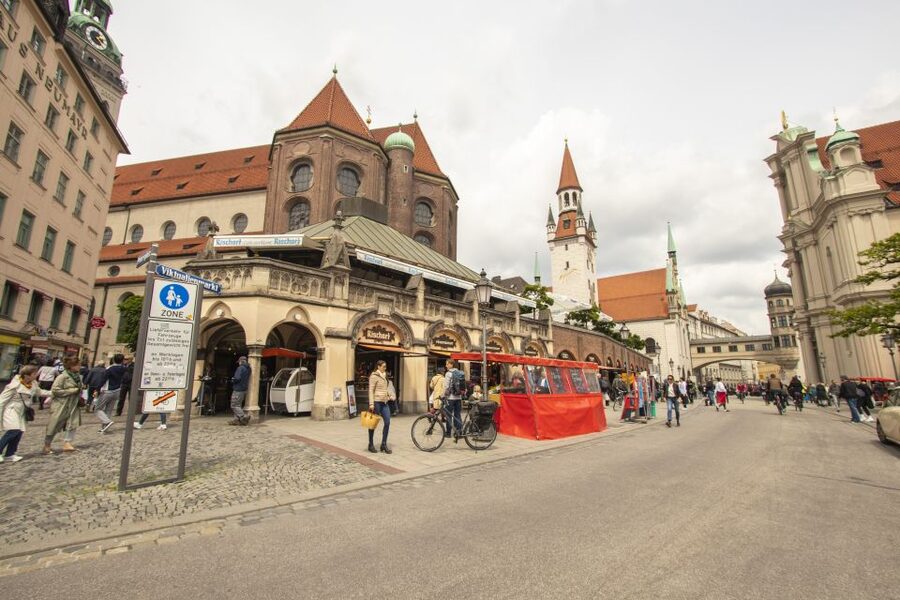
The route continues to Viktualienmarkt, one of the most useful stops for a first visit. A market gives you a clearer sense of local eating habits than a polished restaurant district alone. You can see the kinds of products sold, watch how people use the space, and get suggestions for what to try during your stay.
The guide’s role here is not simply to point at stalls. The value comes from context and judgment. You can ask which foods are worth seeking out, what fits a quick lunch, and where to return when you want something more substantial. Personal recommendations are included in the experience, but your spending at the market is your responsibility.
This is also a good place to discuss Munich’s social side. Food and drink are closely tied to how the city spends its free time, and the guide can direct you toward places to eat, relax, or meet friends. You may find the market more useful after the tour because you will know what to look for instead of wandering past every stand without a plan.
The market stop also shows the limits of a short walk. Ninety minutes does not leave time for a long tasting session, shopping, or a leisurely meal. Think of it as a guided introduction, not a food tour.
Beer gardens, cafes, and bars: advice you can use later
One of the strongest reasons to choose this walk is the practical local advice. Munich is full of places that look inviting, but you may not know which ones fit your budget, mood, or schedule. A local can help you sort through options for cafes, bars, restaurants, and beer gardens.
The beer garden guidance is especially useful if this is your first stay in Bavaria. You can ask how to approach the experience, what kind of setting to expect, and where to go when you want a relaxed evening. The tour does not include personal expenses, drinks, or meals, so plan to pay separately if you stop somewhere during or after the walk.
I would treat this part of the tour as a planning tool. Write down names on your phone, save locations, and ask for one option near your accommodation if possible. You may also want a suggestion for a rainy-day cafe or a place suited to a quick meal.
The advice is most valuable when you make it specific. Instead of asking for the best restaurant in Munich, explain what you want: traditional food, a casual drink, coffee and cake, or a place near the center. A small group or private format should make that sort of exchange easier.
Same city, a very different afternoon:
- From Munich: Neuschwanstein & Linderhof Castle Full-Day Trip
★ 4.5 · 12,494 reviews - Neuschwanstein & Linderhof Castle-Fairytale Day Tour from Munich
★ 4.5 · 7,275 reviews - Dachau Concentration Camp Memorial Site Tour from Munich by Train
★ 4.5 · 5,637 reviews - Neuschwanstein Castle Tour from Munich
★ 4.5 · 5,117 reviews
The guide makes the difference
This experience depends heavily on the person leading it. The guide is an independent local, so the tone may vary from one departure to another. That is worth keeping in mind when you compare it with a formal historical tour led by a fixed team.
The available feedback points to several strong guide performances. Paul has been praised for being friendly and well informed. Stefan has been described as easygoing, highly informed, and pleasant company, while Omar was praised for his warm manner and understanding of Munich. One visitor said the walk showed places they might not have found alone, which gets to the heart of the experience.
Those comments suggest a conversational style rather than a stiff script. You should expect stories, local pointers, and answers to questions. You should not expect identical wording, identical stops, or the same personal focus every time.
That variation can be a benefit. If your guide listens well, the walk can become more useful than a standard route. A first-time visitor might need basic orientation, while someone staying several days may want restaurant and nightlife advice. Tell the guide what you need early.
Why the eight-person limit matters
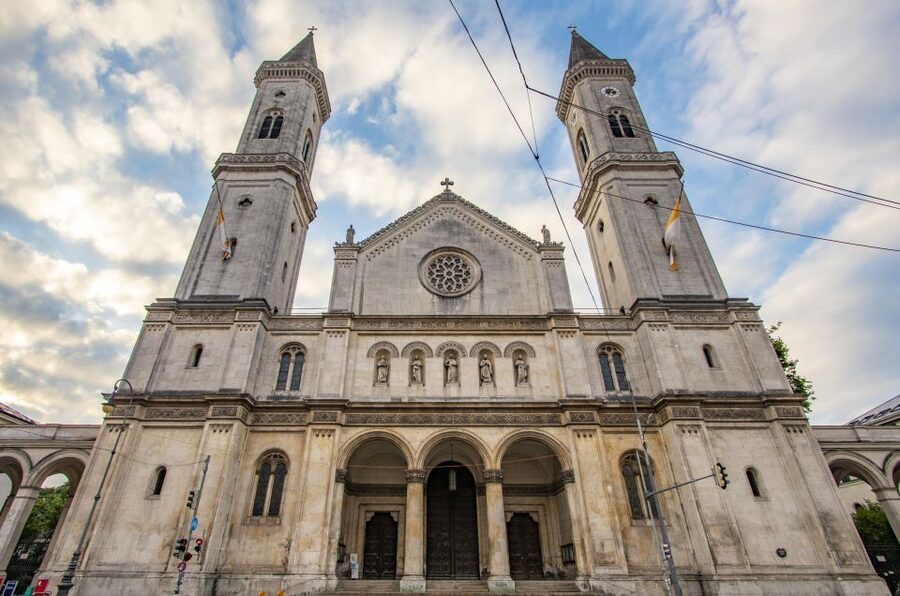
A maximum of eight people is a sensible size for a central Munich walk. The group is large enough to have some energy, but small enough for the guide to hear questions and adjust the pace.
In a large group, practical advice often gets lost. You may hesitate to interrupt, and the guide may need to keep moving to stay with the schedule. Here, you have a better chance to ask about a building, a market stall, or an evening plan as you walk.
The small size also helps with navigation. Central Munich has busy pedestrian areas, and a compact group is easier to keep together. Still, stay aware of your surroundings and do not assume the guide can stop at every point that catches your eye.
A private option gives you the most control. It may suit couples, families, or friends who want the discussion shaped around their own interests. A shared small group should offer a lower-pressure social setting while retaining much of the personal feel.
Ninety minutes, or closer to two hours?
The advertised duration is listed as 90 minutes to two hours, with exact starting times depending on availability. That range is important for your planning. Treat the walk as a compact commitment, but leave some breathing room around it rather than booking a tight museum entry immediately afterward.
The shorter format is a major advantage if you have limited time. You can fit it into a first afternoon, use it at the start of a longer stay, or schedule it before an evening meal. It is also useful after arrival if you want to understand the center before exploring alone.
The tradeoff is depth. You will see the main areas and receive an overview, but you will not cover every major Munich sight. You are also unlikely to get a detailed treatment of every period in the city’s past. The walk works best as a foundation, not as your only Munich experience.
I would book it early in your stay. That way, the recommendations can shape your next meals, cafe stops, and evening plans. If you take it on your final day, the advice may arrive too late to use.
Price and what you receive for $116
At $116 per person, this is not a bargain-priced orientation walk. The value depends on the group format and how much you use the local advice.
For a shared group of up to eight, the price may feel high if you only want a quick list of sights. You can walk through Marienplatz and Viktualienmarkt on your own without paying an admission fee. The cost becomes easier to justify if you want a personal conversation, a flexible route, and recommendations matched to your interests.
A private group may make more sense for people who place a high value on time and attention. Families and couples can ask focused questions without adjusting to a large crowd. If the guide helps you avoid a poor meal, find a better cafe, or plan several successful stops, the benefit can continue after the tour ends.
Remember that personal expenses are excluded. Food, drinks, museum tickets, monument entry, and transportation tickets are not part of the price. Bring some cash as advised, and keep your phone charged so you can save recommendations and locations.
The free cancellation window gives you some protection: you can cancel up to 24 hours in advance for a full refund. You can also reserve now and pay later, which is useful when your Munich schedule is still changing.
Pace, shoes, and accessibility
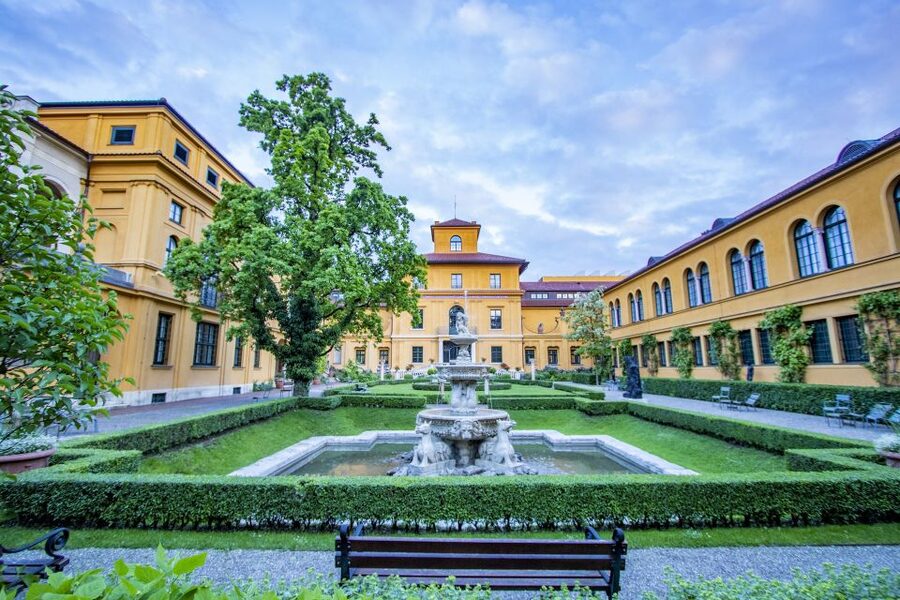
Wear comfortable shoes. The route is a walking experience through central Munich, and the short duration does not mean it is effortless. You may be standing for much of the tour, moving between public spaces, and keeping pace with the group.
Bring water, a charged smartphone, and cash. The phone is useful for saving restaurant names, checking locations, and keeping track of suggestions. Cash can help with small personal purchases, though no exact spending requirement is given.
This activity is not suitable for people with mobility impairments. The route changes according to pace and weather, but that does not remove the basic demand for walking. If you have a condition that affects your movement, ask the provider for current details before booking.
Weather can also change the stops. An outdoor market and city-center walk feel very different in rain or cold. Check the forecast and dress for conditions, since the itinerary may adapt rather than moving indoors for a full replacement program.
Who should book this Munich walk?
I would recommend it to first-time visitors who want a quick, friendly orientation and practical help for the rest of their stay. It also suits people who prefer conversation to a formal lecture, and anyone who wants food, cafe, and beer garden advice from a local perspective.
It is a good fit for a short Munich visit because it puts several key areas together without taking half a day. The small group limit helps if you want to ask questions, and the private option adds control for couples, families, or friends.
You may want something else if your priority is detailed architecture, museum interiors, or a long historical presentation. You may also find the price hard to justify if you are comfortable planning your own route and restaurants. The walk offers guidance and local context, not a long list of included attractions.
The strongest guide feedback centers on friendliness, clear knowledge of Munich, and an easygoing manner. That matters here because the experience rises or falls on the guide’s ability to make a short route feel personal. Paul, Stefan, and Omar are names associated with particularly positive experiences, but an independent local host means your guide may be someone else.
Should you book it?
Book this walk if you want to get oriented quickly, keep your group small, and leave Munich with practical ideas for food and evenings. Schedule it near the start of your stay, bring questions, and use your phone to save the recommendations.
Skip it if you want a full historical tour, included admissions, or a low-cost self-guided route. At $116, the value lies in personal attention and time saved, not in the number of sights covered. For visitors who enjoy local conversation and want a clear first look at Marienplatz, Viktualienmarkt, and Munich’s social life, it is a useful introduction.
FAQ
Where does the Munich walk begin?
The meeting point is Café Frischhut.
How long does the experience last?
The walk lasts about 90 minutes to two hours. Starting times vary, so check availability when booking.
What languages are available?
The tour is offered in English and German.
How many people can join the group?
The small group can include up to eight travellers. Private groups are also available.
Are food, drinks, museum tickets, and transportation included?
No. Personal expenses are not included, and entry tickets for transportation, museums, and monuments are also excluded.
Is the walk suitable for people with mobility impairments?
No. The activity is not suitable for people with mobility impairments. Comfortable shoes are recommended for all participants.
Recently reviewed in Munich
- München: Vegetarische Viktualienmarkt-Probiertour Deutsch★ 4.8 · 6 reviews
- Wright Europe Vacations – Private Escorted Auto Tours★ 5.0 · 35 reviews
- Best of Munich Electric Bike Tour★ 5.0 · 38 reviews
- Munich Walking Quiz: Explore and Discover the City’s Highlights★ 5.0 · 7 reviews
- Walking Tour on Resistance to Nazism in Munich★ 5.0 · 8 reviews
- Private Transfer from Munich to Salzburg with 2 hours for sightseeing★ 4.5 · 13 reviews
- Private Transfer from Munich to Vienna with 2 hours for sightseeing★ 4.5 · 6 reviews
- 2 hour Sights Guided E-Scooter Tour in Munich★ 4.0 · 6 reviews
Walking Tours, compared.
Birthplace of the Third Reich Guided Walking Tour
Read our review →
Browse the lists this tour appears in