
Reviewed · MUNICH BIKE TOURS
Munich: Street Art Bike Tour
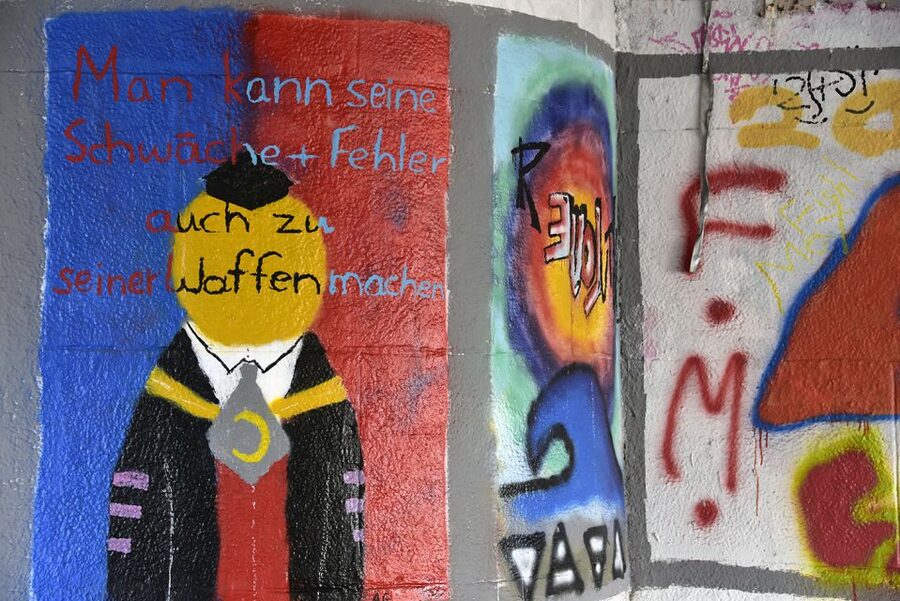
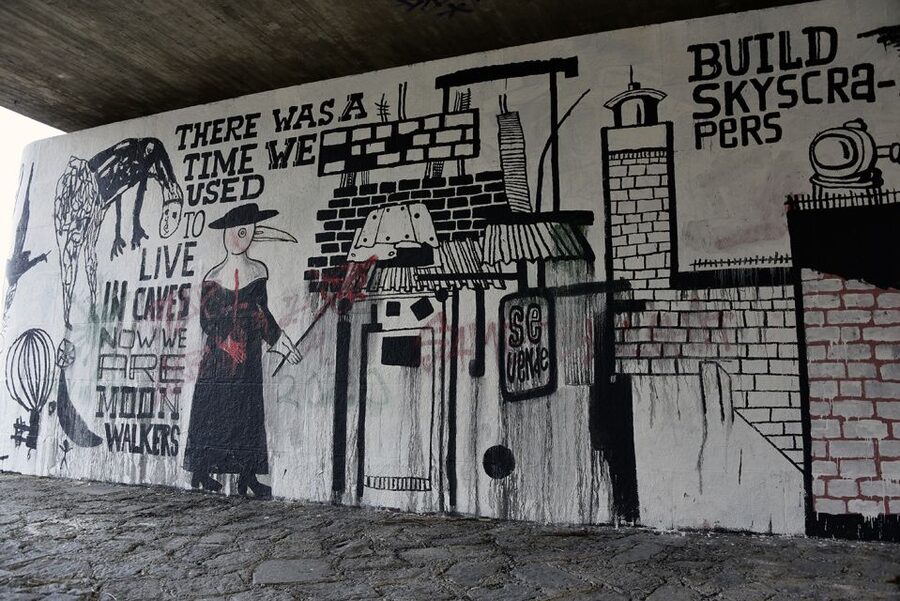
Munich’s polished streets hide a surprising past: in the 1980s, this city helped launch Germany’s graffiti movement. This three-and-a-half-hour bike tour follows that story from central Munich to the Isar, Giesing, and the slaughterhouse district, where old-school pieces share walls with newer work. I like the route because it shows you a less familiar Munich, and because the bike makes far-flung art stops practical. The main drawback is its length and German-language format, which may not suit younger children or visitors who need an English tour.
I especially like the break on a boat beneath a railway bridge, a small but memorable pause amid the city ride. I also like the mix of famous artists and newer creators, since you see graffiti as a living scene rather than a collection of old walls. Children under 10 cannot join, and even a 12-year-old may find the full ride a little long.
Key points at a glance
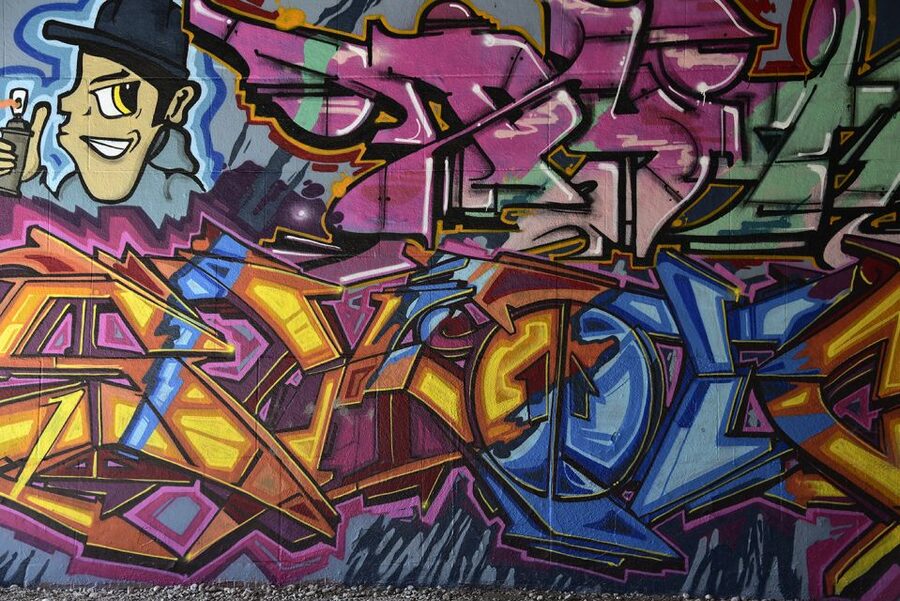
- Munich’s 1980s graffiti roots: Learn why the city became a major European center for graffiti alongside New York.
- A route beyond the center: Ride through Giesing and the slaughterhouse district instead of staying around Marienplatz.
- Isar river art: Follow the river and see places where artists have left their mark.
- A railway bridge boat break: Pause on a boat near the slaughterhouse district for a change of pace.
- Bikes included: Rental bikes are supplied, so you do not need to arrange your own.
- German-speaking guidance: The tour is conducted in German, with private groups available.
Why Munich is an unexpected graffiti city
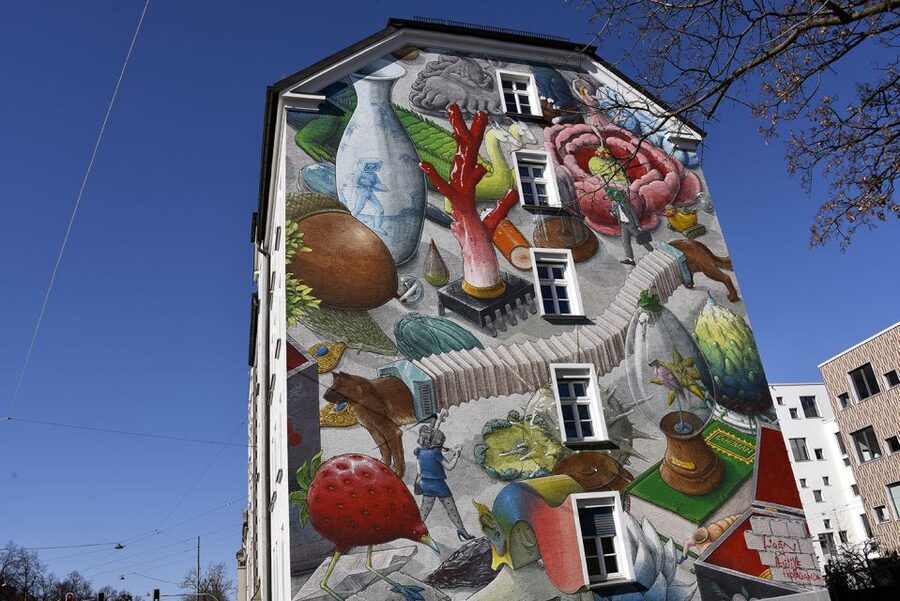
If you picture Munich as grand squares, immaculate buildings, and beer halls, you are seeing only part of it. The city also played a major role in Germany’s graffiti movement during the 1980s, when Munich was considered a mecca for graffiti artists alongside New York.
That contrast gives the tour its purpose. You are not simply pedaling from mural to mural. You are looking at how a disciplined, tidy city became an important place for a bold and sometimes controversial art form.
The guide explains the history of graffiti while you move through the city. That matters because street art can be easy to miss without context. A large painted wall may look decorative at first, but its location, style, and connection to earlier artists can tell you much more.
I like that the tour focuses on both the old masters who shaped Munich’s scene and newer artists who continue to add work. You get a sense of change over time, rather than a frozen display of historic pieces.
More bike tours in Munich:
- Munich 3-Hour Guided Bike Tour
★ 4.5 · 1,731 reviews - Classic Mike’s Bike Tour daily @ 11.30 incl Beer Garden & Surfers
★ 5.0 · 1,246 reviews - Neuschwanstein Castle by Bus Incl. Bike Ride or Hohenschwangau
★ 5.0 · 607 reviews
Starting at Marienplatz and leaving the postcard center
You meet the guide in front of the Tourist Information Office at Marienplatz. Look for a yellow street art tour sign with red letters. This is a simple meeting point in the heart of Munich, but the route quickly leaves the most familiar tourist zone.
That change is one of the strongest reasons to choose this experience. Marienplatz is useful for finding your bearings, yet it can also keep you focused on the city’s official sights. Once you get on the bike, the tour takes you toward places that most first-time sightseeing routes skip.
The bikes are included in the price, which removes one practical hurdle. You do not need to organize a rental before arriving, though you should still be prepared for a ride lasting 210 minutes. This is not a short orientation loop around the center.
The tour provider is Munich Walk Tours. The experience is available as a private group, which can be useful if you want a more personal outing or are traveling with a defined group. The standard language is German.
Following the Isar and its painted walls
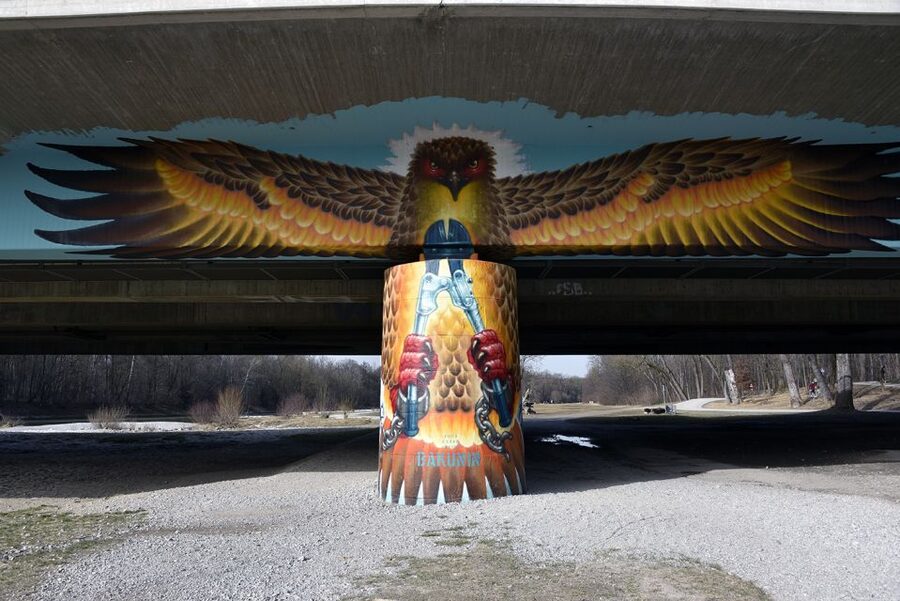
The ride along the Isar gives the tour a welcome change from city streets. The river is part of Munich’s everyday life, and its banks offer a different setting for street art than the formal center.
Here, you can see how artists have used public spaces, bridges, walls, and less polished corners of the city. The exact works can change over time, since street art is not a permanent museum collection. Paint fades, walls are replaced, and new artists add their own marks.
That temporary quality is part of the appeal, but it also means you should not expect every piece to remain exactly as described forever. The guide’s local knowledge helps you understand the area even if a particular work has changed.
I like this section because it connects the art to the city around it. You are not being led into a gallery with carefully controlled lighting. You are riding beside the river, stopping at selected places, and considering how the artwork fits its surroundings.
You should also expect some pauses rather than constant cycling. The point is to look closely and hear the story behind the work, not to race through a list of locations.
Giesing, a former working-class neighborhood
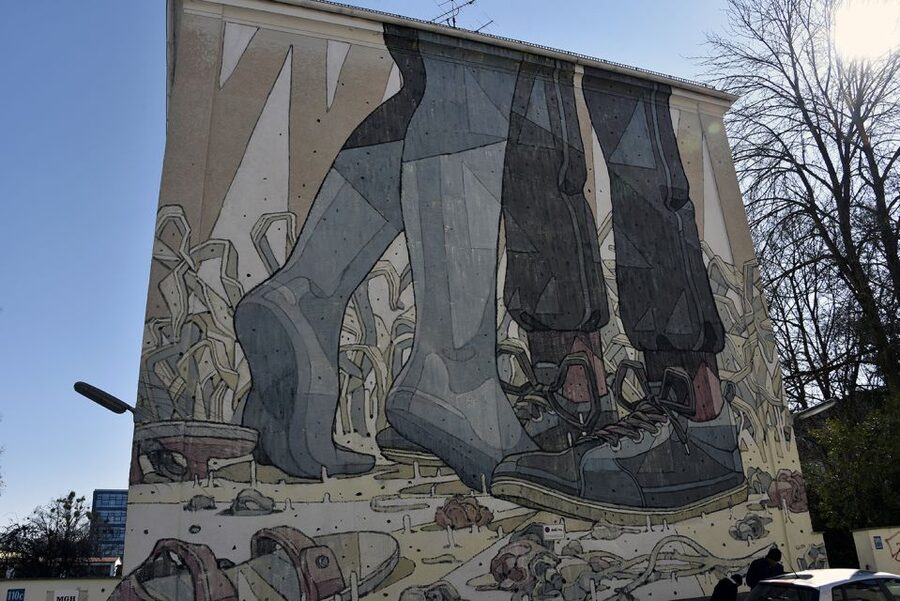
From the river, the route heads to Giesing, a former working-class neighborhood. This is where the tour feels most clearly like an alternative Munich experience.
Giesing offers a useful contrast with the city center. Its connection to working-class life gives the art a different setting and helps explain why the guide takes you away from the usual sightseeing circuit. You see a district with its own identity, rather than a backdrop built mainly for visitors.
The ride to Giesing is also one reason you should think carefully about the tour’s length. You cover real ground by bike, and the route is designed to connect several parts of Munich. That makes it more varied than a walking tour, but it also demands more energy.
A family with children aged 10 and 12 found the route manageable overall, and both children enjoyed the experience. Still, the 12-year-old found the tour a little long. I would take that as useful advice: younger riders may appreciate the subject but lose interest during the full 210 minutes.
Children under 10 are not permitted. The tour is also not suitable for wheelchair users, so anyone with mobility concerns should consider the cycling format carefully before booking.
Same city, a very different afternoon:
- From Munich: Neuschwanstein & Linderhof Castle Full-Day Trip
★ 4.5 · 12,494 reviews - Neuschwanstein & Linderhof Castle-Fairytale Day Tour from Munich
★ 4.5 · 7,275 reviews - Munich: Third Reich & WWII Walking Tour
★ 4.6 · 6,181 reviews - Dachau Concentration Camp Memorial Site Tour from Munich by Train
★ 4.5 · 5,637 reviews
The slaughterhouse district and a pause on a boat
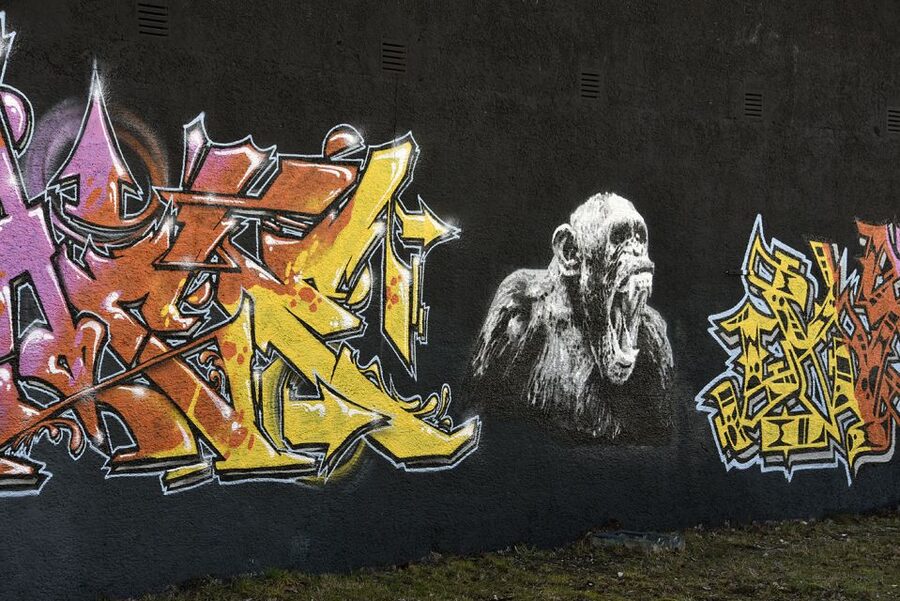
After Giesing, the route continues toward Munich’s slaughterhouse district. This area gives you another side of the city, away from the polished central streets and major monuments.
The tour includes a break on a boat at a railway bridge. That detail makes the outing more than a simple sequence of bike stops. You have time to pause, take in the setting, and let the information settle before continuing.
The railway bridge is also a fitting place for a street art tour. Rail infrastructure, industrial edges, and large open surfaces often provide the kind of setting associated with graffiti. You can see how the city’s working spaces become part of the art’s character.
Do not expect a formal meal stop or an extended rest period. The information only promises a break on a boat, so plan to arrive ready for a full outing. If you need food, water, or a longer pause, handle that before or after the tour unless the guide says otherwise.
Old-school artists and new work
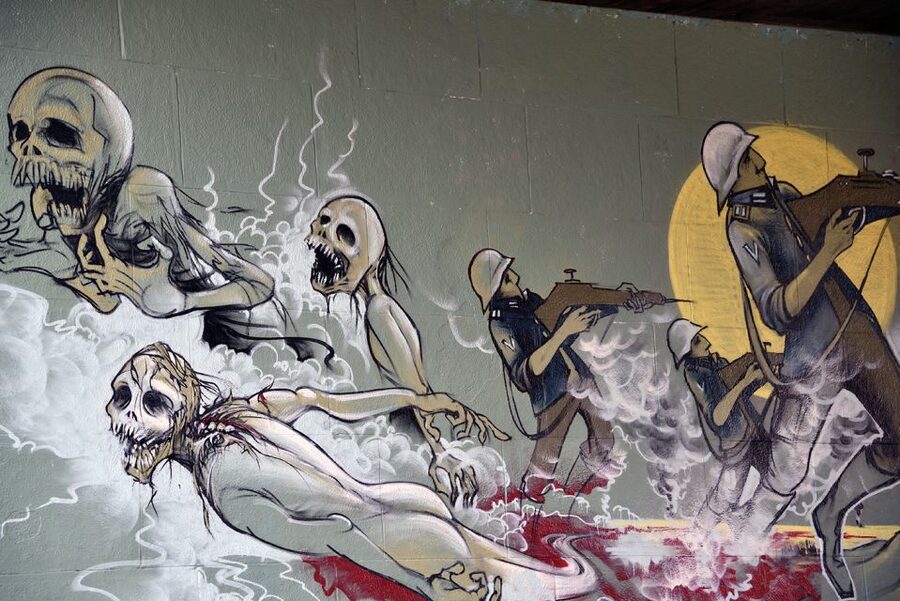
The guide introduces you to work by established artists who helped shape Munich’s graffiti culture, along with newer street artists. This is one of the most valuable parts of the tour because it gives the city’s art scene a timeline.
You can learn the basic history of graffiti, then see how different styles and generations appear in public space. The art is not presented as a single look. Some pieces may be large and forceful, while others depend on detail, color, or placement.
The tour’s emphasis on history also helps explain why Munich matters. The city’s role in the 1980s movement is easy to overlook if you know it only for museums, palaces, and traditional Bavarian culture. This ride corrects that narrow picture.
I would pay attention to the guide’s explanations rather than treating the outing as a photo hunt. A mural may make a good picture, but the story of the artist, the local scene, or the work’s setting is what gives the stop lasting value.
The route can also show you how public art changes. New work appears, older pieces weather, and some walls may carry advertising or other painting beside graffiti. That mixture is part of the real city, not a carefully cleaned-up exhibit.
What the guides add to the ride
The tour is offered in German, so you should book it only if you are comfortable following a German-language explanation. A private group may give you more flexibility, but the listed tour language remains German.
Ulrike guided several recent outings and is specifically noted for being friendly, patient, and well informed about Munich’s street art scene. On one tour conducted in German, she made a strong effort to explain the subject to English speakers. That suggests English may be possible in some situations, but you should not assume that every tour includes an English-speaking guide.
A good guide matters here because the subject is not always obvious from the wall itself. You need someone who can point out key work, explain the city’s graffiti history, and connect the different neighborhoods.
The guide also controls the pace. That is useful for a private group, especially if you want more time at certain pieces. On a standard group outing, you should expect to follow the planned route and timing.
Is $40 a fair price?
At $40 per person, the tour offers a reasonable package if you value local interpretation and want to see several districts in one outing. Your fee covers the guide and rental bike, while the 210-minute duration gives you far more than a quick look at central Munich.
The value is strongest for visitors who would not otherwise reach Giesing or the slaughterhouse district. You are paying not just for transportation, but for a route that links places and explains why they matter.
It is less compelling if you already have your own bike, know Munich’s graffiti scene well, or mainly want a short activity near Marienplatz. In that case, the nearly four-hour commitment may feel heavy.
The overall rating is 4.6 out of 5 from 66 ratings, with especially strong praise for the varied route, the friendly guides, the comfortable rental bikes, and the amount of information provided. Those points match the tour’s clear strengths: it is personal, active, and different from standard city sightseeing.
Who should book this bike tour?
I would recommend it to adults and older children who like public art, urban history, and active sightseeing. It is also a good choice if you have already seen Munich’s main center and want to understand another side of the city.
The tour suits you best if you can comfortably spend 210 minutes on a bike and follow German-language guidance. A private group may be the better option for friends or families who want a more tailored pace.
Families should judge the age issue carefully. Children under 10 cannot join, and the experience may run long for some 12-year-olds even if they enjoy the art. Older children and teenagers with an interest in graffiti may find the ride engaging because it combines movement, visual variety, and a clear subject.
I would not choose it for a wheelchair user, for someone seeking a quick city introduction, or for anyone who wants a fully English-language tour guaranteed in advance.
Practical details before you go
Meet in front of the Tourist Information Office at Marienplatz and look for the yellow sign with red letters. Since the tour leaves the center, arrive ready to ride rather than treating it as a short walk between nearby sights.
The listed guide language is German. Private groups are available, and availability determines the starting time, so check the schedule before booking.
You can cancel up to 24 hours before the activity for a full refund. You can also reserve now and pay later, which helps if you are still arranging your Munich plans.
Alcohol and drugs are not allowed. The tour is not suitable for wheelchair users, and children under 10 cannot participate.
Should you book the Munich Street Art Bike Tour?
Book it if you want Munich beyond the postcard sights and like the idea of learning while you ride. The route’s best features are its connection to the city’s 1980s graffiti roots, its trip along the Isar, and its move into Giesing and the slaughterhouse district.
Skip it if you need English guidance, a short activity, or step-free access. For everyone else, $40 is a fair price for the bike, the guide, and three and a half hours of art-focused exploration. The boat pause beneath the railway bridge and the chance to see both influential older artists and newer work give the tour a character you will not get from a standard Munich highlights loop.
FAQ
How much does the Munich Street Art Bike Tour cost?
The tour costs $40 per person. Rental bikes and a tour guide are included.
How long does the tour last?
The tour lasts 210 minutes, or three and a half hours. Starting times depend on availability.
Where does the tour meet?
Meet in front of the Tourist Information Office at Marienplatz. The guide carries a yellow street art tour sign with red letters.
What language is the tour conducted in?
The listed tour language is German. Ulrike has made an effort to explain the tour to English speakers on some outings, but an English-language tour is not guaranteed by the provided information.
What does the tour include?
The price includes a tour guide and rental bikes. The route includes the Isar river, Giesing, the slaughterhouse district, and a break on a boat near a railway bridge.
Can children join the tour?
Children under 10 cannot join. A 12-year-old may participate, though the full 210-minute route could feel long for some children.
Can I book a private group or cancel my reservation?
Private groups are available. You can cancel up to 24 hours in advance for a full refund, and you can reserve now and pay later.
Recently reviewed in Munich
- München: Vegetarische Viktualienmarkt-Probiertour Deutsch★ 4.8 · 6 reviews
- Wright Europe Vacations – Private Escorted Auto Tours★ 5.0 · 35 reviews
- Best of Munich Electric Bike Tour★ 5.0 · 38 reviews
- Munich Walking Quiz: Explore and Discover the City’s Highlights★ 5.0 · 7 reviews
- Walking Tour on Resistance to Nazism in Munich★ 5.0 · 8 reviews
- Private Transfer from Munich to Salzburg with 2 hours for sightseeing★ 4.5 · 13 reviews
- Private Transfer from Munich to Vienna with 2 hours for sightseeing★ 4.5 · 6 reviews
- 2 hour Sights Guided E-Scooter Tour in Munich★ 4.0 · 6 reviews
Munich Bike Tours, compared.
Classic Mike’s Bike Tour daily @ 11.30 incl Beer Garden & Surfers
Read our review →
Neuschwanstein Castle by Bus Incl. Bike Ride or Hohenschwangau
Read our review →Classic Guided City Tour by Bike (English Tour Only)
Read our review →
Mini Classic Bike Tour @ 4pm incl. Beer Garden & Surfers 2,5 hrs
Read our review →
Neuschwanstein Castle by Bus with Alpine Bike Ride
Read our review →Browse the lists this tour appears in