
Reviewed · MUNICH BEER TOURS
München: Braukurs mit Führung und Verkostung
The best part of this Munich experience is that you do more than drink beer. You work through the brewing process on a 20-liter mobile brewing system, handling ingredients and learning what happens between grain and glass. The day also includes a brewery tour, beer tasting, and a Brizza, a savory pretzel pizza.
I like the mix of practical work and tasting, and I like that the beer is made with organic-quality ingredients. The course also offers useful advice for home brewers, from choosing raw materials to setting up your own equipment. The main drawback is that the course is in German, and the tasting makes it unsuitable for children under 16.
Key points to know before booking
- Hands-on brewing: Help with milling, mixing, lautering, wort boiling, hop additions, hot trub separation, and yeast addition.
- A small Munich brewery setting: Tour Haderner Bräu München and see how the brewing steps fit together.
- Several beer styles: Taste beers ranging from IPA to special brews, then sample the beer made during the course.
- Food is included: Expect a Brizza, a Bavarian-style pretzel pizza, along with lunch during the brewing seminar.
- German-language instruction: The instructor teaches in German, so basic German will make the technical parts easier to follow.
- A full half-day commitment: The experience lasts 330 minutes, or five and a half hours, so plan it as a main activity for the day.
Starting with grain, water, hops, and yeast
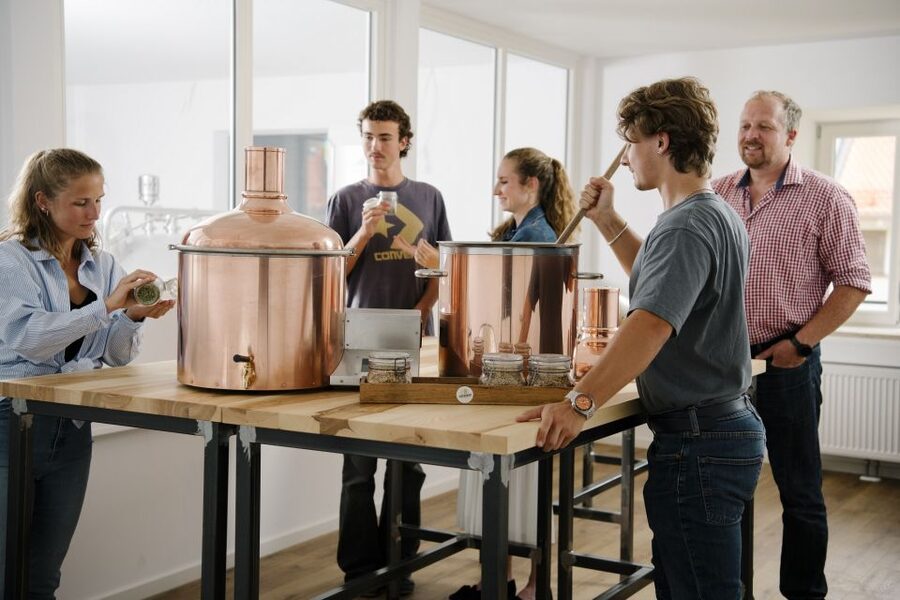
This course gets useful right away. Instead of beginning with a long lecture, you work with a small brewing system and learn how the raw materials become beer. The instructor explains the role of malt, hops, water, and yeast, then shows how each stage affects the final drink.
That hands-on format matters. Beer can look simple in a glass, but the brewing process depends on timing, temperature, separation, and clean handling. As you move through the course, you see why the choice of ingredients is not just a matter of personal taste.
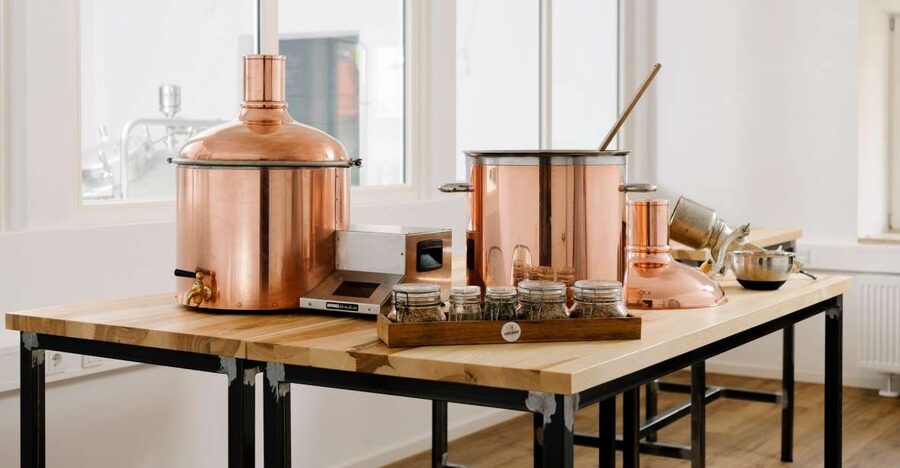
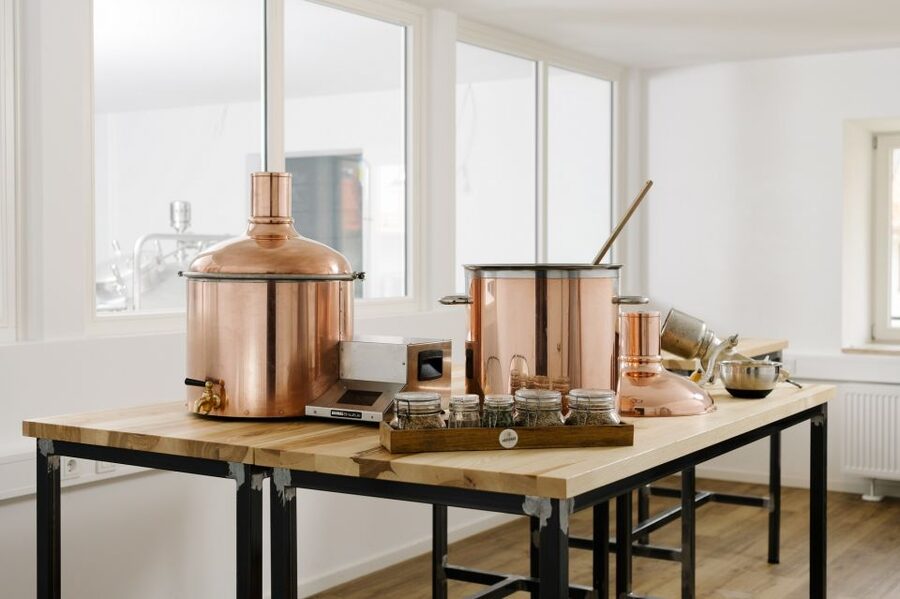
You will work with a mobile 20-liter brewing system. That size is large enough to feel like real production, but small enough for a teaching setting. It also makes the equipment relevant if you hope to brew at home later.
The course includes advice about common home-brewing systems and ways to build your own equipment. I would pay close attention during this part if you are considering home brewing. You are not only learning one recipe. You are getting a working outline of the process and the tools that support it.
The instruction is in German. That is the clearest practical issue to consider before booking. If you understand German, the technical explanations should add real value. If you do not, you may still follow the physical demonstrations, but the details about ingredients, equipment, and brewing decisions will be harder to catch.
More beer halls and brewery tours in Munich:
- Bavarian Beer and Food Evening Tour in Munich
★ 4.5 · 1,575 reviews - Classic Mike’s Bike Tour daily @ 11.30 incl Beer Garden & Surfers
★ 5.0 · 1,246 reviews - Munich: Beer and Food Tour with Dinner & Oktoberfest Museum
★ 4.7 · 1,086 reviews
Milling and mixing: where the process begins
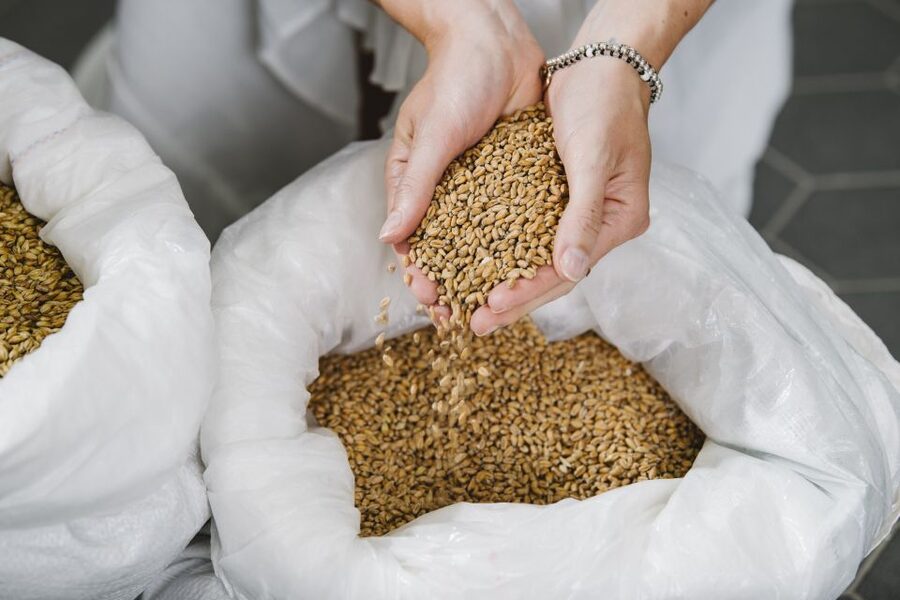
The first physical steps include milling and mixing. Milling breaks down the grain so water can reach the useful starches inside. Mixing then combines the milled grain with water, beginning the stage that turns those starches into fermentable sugars.
This is a good reminder that brewing is a sequence, not a set of separate tricks. A mistake or weak choice at the start can affect later stages. The instructor helps you understand what you are doing instead of asking you to simply press a button and watch a machine work.
For a first-time brewer, this is likely one of the most valuable sections. You can see the ingredients before they become wort, and you can connect the raw grain with the malt flavors found in beer. For experienced home brewers, the small system and discussion of equipment may be more useful than the basic explanation itself.
The setting also helps. Haderner Bräu is described as a small brewery, and the day takes place in the middle of its brewing operation. That gives the course a more direct feel than a tasting room visit where the brewing itself happens out of sight.
Lautering and wort boiling
After mixing, the course moves into lautering. This is the stage where the liquid wort is separated from the spent grain. The instructor explains the step and assists as you work through it, showing how the useful liquid is collected for boiling.
The lesson here is patience and control. Brewing is not just about adding ingredients. You also need to separate them at the right point and keep the process orderly. That is the sort of detail you may miss when you only learn from a recipe or watch a short video.
Wort boiling comes next. This is when hop additions become especially important. The timing and amount of hops help shape bitterness, aroma, and the general character of the beer. The course gives you a chance to connect those decisions with the styles you taste later.
The beer selection includes IPA and special brews. That variety makes the tasting more useful because you can compare hop-forward beer with other styles and think about how brewing choices change the result. You are not tasting at random. You are tasting with the process still fresh in your mind.
Hops, hot trub, and yeast
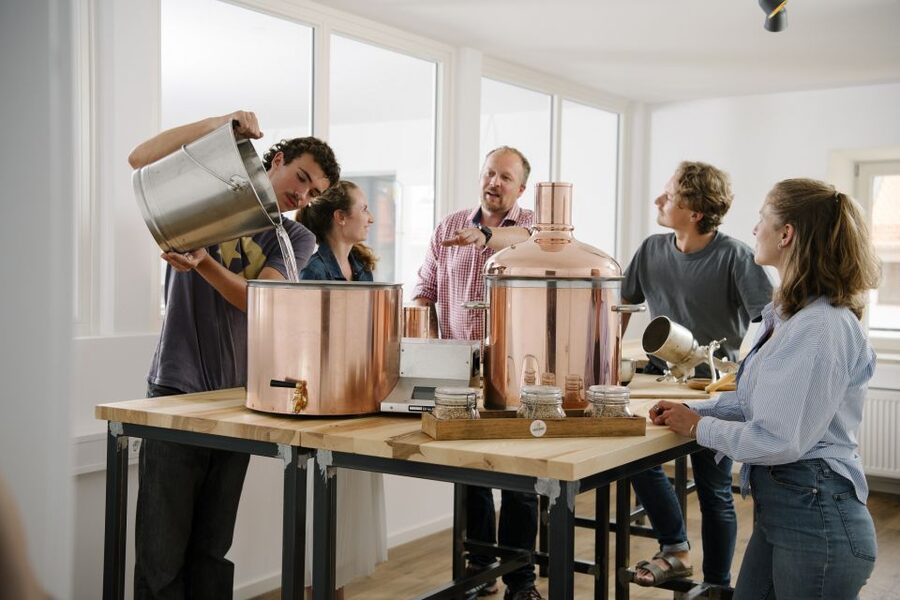
The brewing seminar also covers hop addition, hot trub separation, and yeast addition. Each of these steps has a clear job, and the instructor explains how it fits into the path from wort to finished beer.
Hot trub is the material that separates from the wort after boiling. Learning to remove it gives you a better sense of the practical work involved in producing a clean, finished beer. It is a small but important stage, and it shows why brewing requires more than a pot, grain, and enthusiasm.
Yeast addition brings the course to a key turning point. The yeast will later ferment the sugars in the wort and produce alcohol and carbon dioxide. You will not finish and drink the newly brewed beer during the same session, but you do taste beer and sample the course’s brewing results as part of the broader experience.
That distinction is worth keeping clear. You are brewing your own beer during the class, but the beer made that day must continue through fermentation before it becomes a finished drink. The tasting gives you immediate beer samples, while the brewing work teaches you how the next batch begins.
Same city, a very different afternoon:
- From Munich: Neuschwanstein & Linderhof Castle Full-Day Trip
★ 4.5 · 12,494 reviews - Neuschwanstein & Linderhof Castle-Fairytale Day Tour from Munich
★ 4.5 · 7,275 reviews - Munich: Third Reich & WWII Walking Tour
★ 4.6 · 6,181 reviews - Dachau Concentration Camp Memorial Site Tour from Munich by Train
★ 4.5 · 5,637 reviews
Touring Haderner Bräu and tasting the range
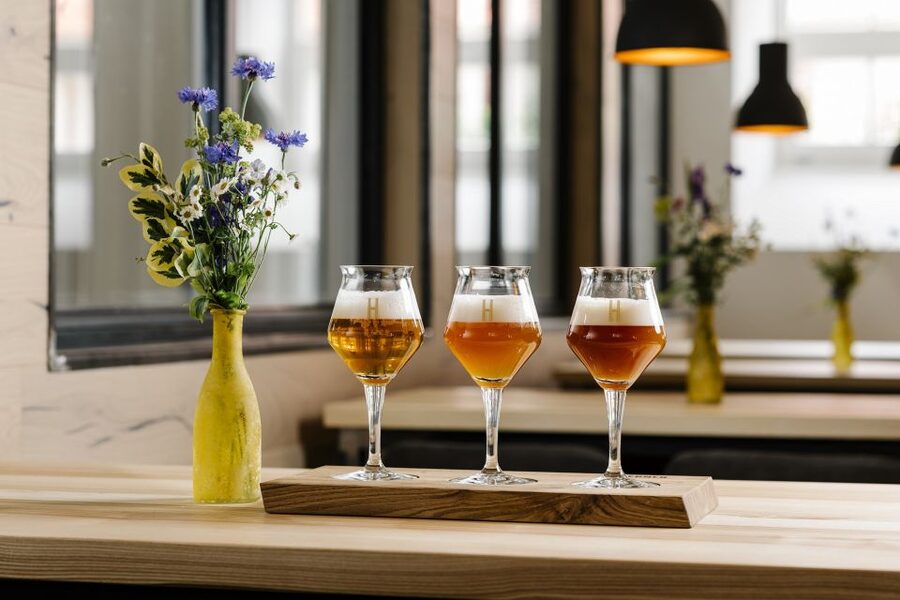
The brewery tour adds context to the practical session. You see how the brewing stages relate to the wider operation and learn about the traditional art of brewing from the people who make beer at Haderner Bräu München.
I like this combination because it avoids the usual split between a production tour and a classroom. The equipment is not just something to look at. You have already handled ingredients and followed the process on a smaller system, so the brewery tour gives you a better framework for understanding what happens at a larger scale.
The tasting covers several beers, including IPA and special brews. Take your time here. Notice the difference between aroma, bitterness, body, and finish, and connect those sensations with the brewing steps discussed earlier.
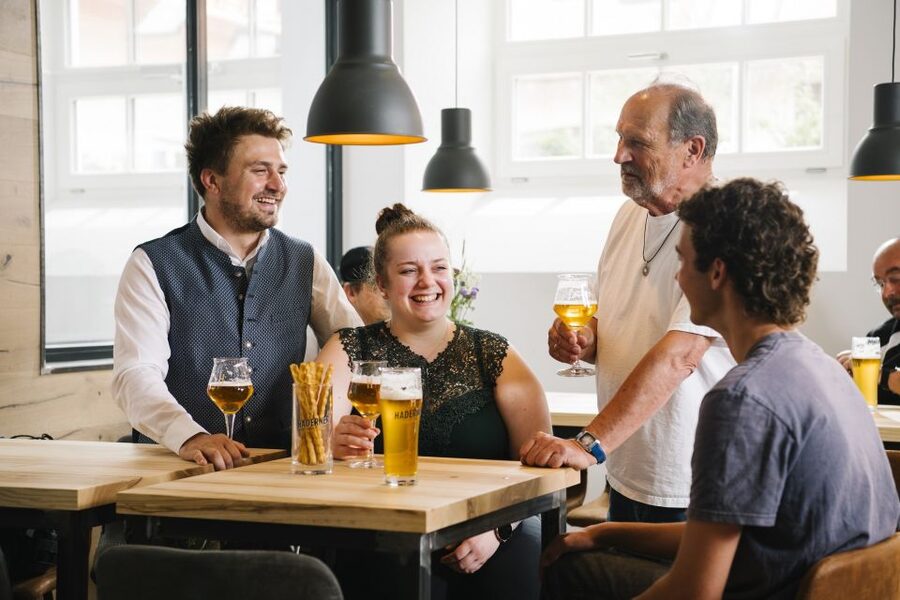
Beer tasting is included in the price, but it is not suitable for children under 16. You should also remember that this is a five-and-a-half-hour activity. The tasting is one part of a longer day, not a quick stop for a few drinks.
The German-only format is especially relevant during the tour. Brewery terms can be technical, and even a visitor who speaks some German may find the vocabulary challenging. If you are booking with friends, make sure everyone understands that the experience is taught in German rather than English.
A Brizza break during the brewing day
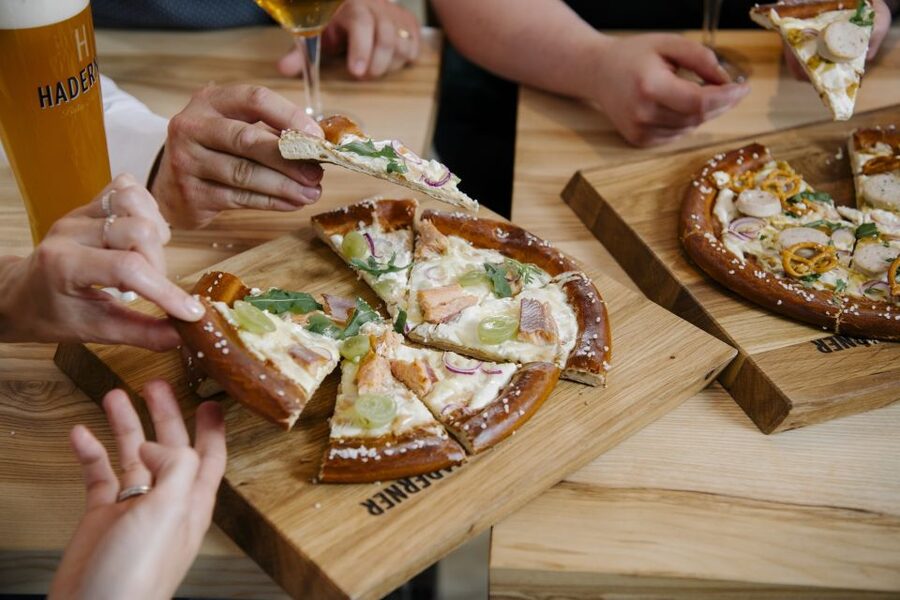
Food is included, which is welcome during a course lasting 330 minutes. The featured snack is an original Brizza, or Brezn-Pizza, a savory pretzel-based creation associated with Haderner Bräu.
This is more than a minor booking detail. A long brewing session involves standing, listening, handling ingredients, and tasting beer. Having lunch included means you do not need to leave the brewery to find food in the middle of the course.
The Brizza also fits the setting better than a formal meal would. It is a local-style snack built around the pretzel, one of Bavaria’s most familiar foods, but presented in a brewery-specific form. If you want a traditional German food experience without a full restaurant stop, this part should suit you.
The food is described as lunch as well as a Brizza snack. The available information does not specify the exact toppings, portion size, or options for dietary restrictions. If those details matter to you, ask the provider before booking.
Is $163 a fair price?
At $163 per person, this is not a cheap beer tasting. The price makes more sense if you value the full package: a five-and-a-half-hour brewing course, a brewery tour, beer tasting, instruction, and included food.
You are paying for active teaching rather than only access to a brewery. The course covers the whole process, from milling through yeast addition, and adds advice about home equipment. That is useful for anyone who wants to understand brewing in a practical way instead of simply collecting tasting notes.
The value is weaker if your main goal is to drink local beer. Munich has less expensive ways to enjoy beer, and a normal brewery visit will take less time and cost less. You should book this course because you want to learn how beer is made, not because you want the fastest introduction to Munich’s beer scene.
The organic-quality focus may also matter to you. The course presents the brewing work as a way to make your own organic beer, giving the experience a clear identity beyond general beer appreciation.
One verified booking rated the experience five out of five and highlighted its good organization, food, and small brewery setting. That matches the strongest practical reasons to book: the day has a clear structure, the food is covered, and the setting is more personal than a huge industrial facility.
Who will get the most from this course?
I would recommend it most strongly to beer drinkers who want to understand the work behind the glass. It also suits home-brewing beginners, couples looking for a hands-on Munich activity, and visitors who prefer a local food and drink experience over a standard sightseeing stop.
You will get more from it if you enjoy asking questions and paying attention to process. The course covers enough technical material that it is not simply a social tasting with a few brewing props.
It may not suit you if you want an English-language activity, have limited mobility, or dislike spending most of a day on one subject. The experience is not suitable for wheelchair users or people with mobility impairments. Comfortable shoes and warm clothing are recommended, so dress for a working brewery rather than a polished bar.
Children under 16 cannot take part because of the beer tasting. For older teenagers and adults who understand German, the course could be a useful way to learn about food production and Bavarian beer culture.
Practical details for planning your day
The experience lasts 330 minutes. That is five hours and 30 minutes, so avoid scheduling a museum, train, or evening reservation too close afterward. Check the available starting time when booking, since the start varies by date.
Wear comfortable shoes. You may spend time standing and moving around the brewing area, and the course is built around practical work rather than sitting through a short presentation.
Bring warm clothing. Brewery areas can feel cool, and the organizers specifically recommend dressing warmly. You will be more comfortable and able to focus on the brewing if you do not arrive dressed only for a warm Munich afternoon.
The instructor teaches in German. This is the most important booking check. The course includes terms such as lautering, wort boiling, hot trub, and yeast addition, so language ability can affect how much you learn.
Free cancellation is available up to 24 hours before the activity for a full refund. You can also reserve now and pay later, which helps if you are still arranging your Munich schedule.
Should you book the Haderner Bräu course?
Book it if you want a hands-on Munich beer experience with real brewing steps, several tastings, local food, and advice that may help you brew at home. The small brewery setting, organic beer focus, and included Brizza give the day a clear sense of place.
Skip it if you only want a quick tasting, need English instruction, or prefer an activity with easy wheelchair access. At $163, the course earns its price through time and participation, not through the number of beers alone.
For the right audience, this is a useful and good-natured way to spend half a day in Bavaria. You leave with a better sense of what goes into beer, not just another glass to remember.
FAQ
How long does the brewing course last?
The experience lasts 330 minutes, which is five and a half hours.
Is the course taught in English?
No. The listed instructor language is German.
What activities are included?
The course includes brewing instruction, a brewery tour, beer tasting, a Brizza, and lunch.
What brewing steps will I learn?
You will learn about milling, mixing, lautering, wort boiling, hop addition, hot trub separation, and yeast addition.
Is beer tasting suitable for children?
No. Beer tasting is not suitable for children under 16, and the experience is not suitable for children under 16.
What should I wear or bring?
Bring comfortable shoes and warm clothing.
Recently reviewed in Munich
- München: Vegetarische Viktualienmarkt-Probiertour Deutsch★ 4.8 · 6 reviews
- Wright Europe Vacations – Private Escorted Auto Tours★ 5.0 · 35 reviews
- Best of Munich Electric Bike Tour★ 5.0 · 38 reviews
- Munich Walking Quiz: Explore and Discover the City’s Highlights★ 5.0 · 7 reviews
- Walking Tour on Resistance to Nazism in Munich★ 5.0 · 8 reviews
- Private Transfer from Munich to Salzburg with 2 hours for sightseeing★ 4.5 · 13 reviews
- Private Transfer from Munich to Vienna with 2 hours for sightseeing★ 4.5 · 6 reviews
- 2 hour Sights Guided E-Scooter Tour in Munich★ 4.0 · 6 reviews
Munich Beer Tours, compared.
Bavarian Beer and Food Evening Tour in Munich
Read our review →
Classic Mike’s Bike Tour daily @ 11.30 incl Beer Garden & Surfers
Read our review →
Beer and Food Tour with Dinner & Oktoberfest Museum
Read our review →Munich’s Beer Halls and Breweries: 3-Hour Guided Tour
Read our review →

Munich City Walk and Oktoberfest Tour With Beer Tent Reservation
Read our review →Browse the lists this tour appears in